From Darfur to Khartoum, Sudan’s war reads like the worst kind of rerun: militias rebranded, generals trading uniforms for power, and civilians paying in blood while the world shrugs.
Read the full article for more on:
Important insights and detailed analysis
Expert commentary on current events
Breaking developments and updates
Updating summary...
Sudan’s War in Context: History, Factions, and Perspectives Behind the Crisis
Galen Fries
Speed
1x
Listen
COMMENTS
From Darfur to Khartoum, Sudan’s war reads like the worst kind of rerun: militias rebranded, generals trading uniforms for power, and civilians paying in blood while the world shrugs.
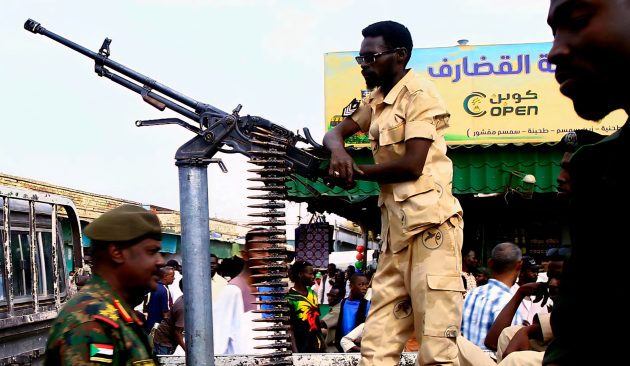
The Red Fifty - A fighter mans a DShKM (M1938/46) heavy machine gun mounted on a vehicle in Sudan. The Soviet-designed weapon, introduced in 1946, remains widely used across Africa and the Middle East due to its reliability and heavy-caliber firepower. Image credit: CNN
Sudan is facing one of the largest humanitarian disasters in recent history. Thousands are dying in a conflict that’s been burning for decades. Treaties have been signed and alliances have shifted, but for the people caught in the crossfire, nothing has changed except the body count.
Advertisement
It is easy to overlook conflicts on the other side of the world, especially when they seem distant from our daily lives. But the devastating war in Sudan has evolved into one of the largest humanitarian crises in history, claiming thousands of lives, displacing millions, and demanding international attention and action.
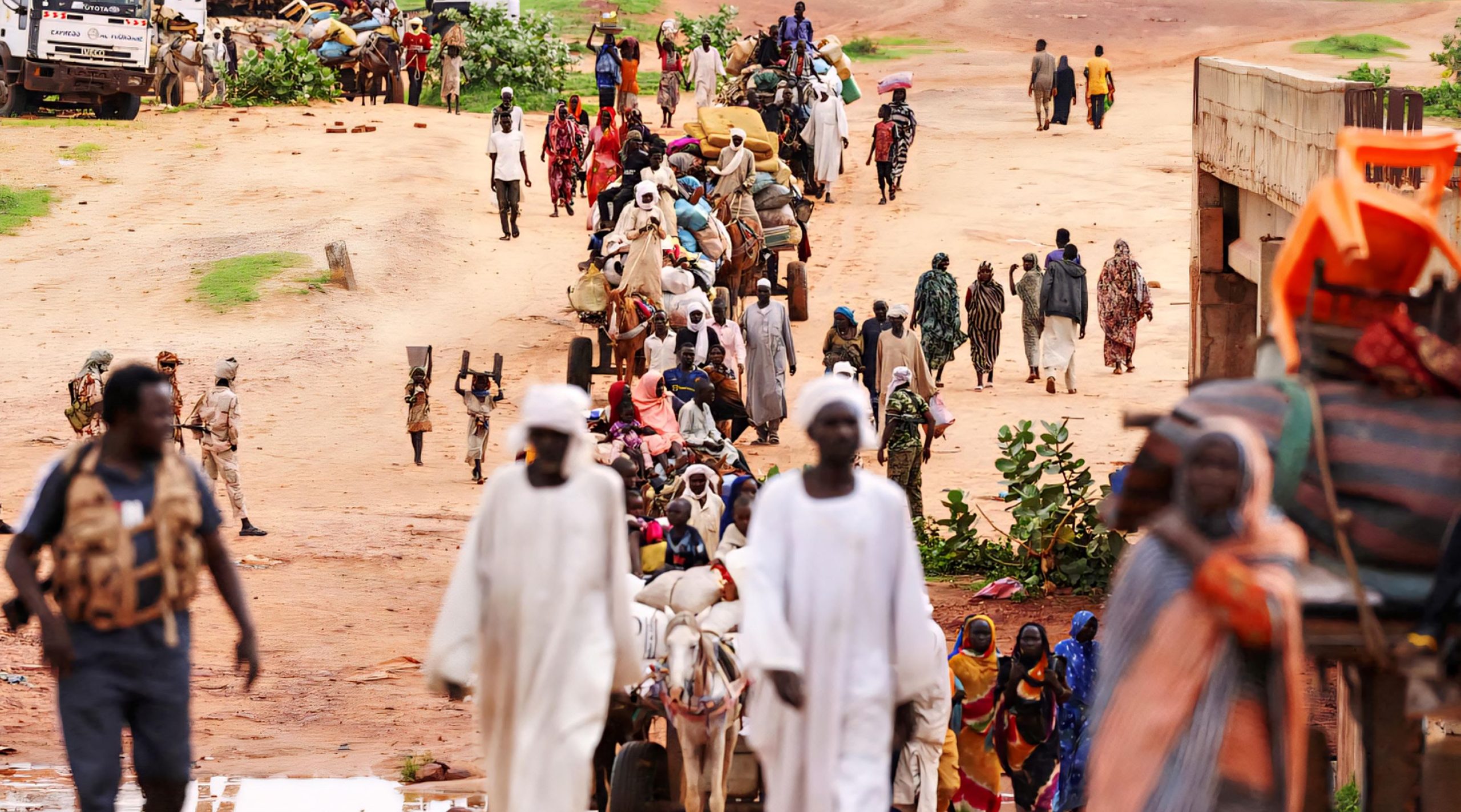
This August 2023 photo shows Sudanese people, who fled the conflict in Murnei in Sudan’s Darfur region, crossing the border between Sudan and Chad. Image Credit: Zohra Bensemra/Reuters
A Brief History
In the early 2000s, Sudan’s western region of Darfur experienced growing tensions between the local population and the government. The Darfur Liberation Movement (DLM) emerged as a rebel group, seeking to address issues of marginalization, lack of development, and neglect by the Sudanese government. The DLM’s primary goal was to secure better representation and resources for the people of Darfur.
The Janjaweed’s Perspective
For some Janjaweed fighters, the conflict was deeply personal. Ammar, a member of a nomadic Arab tribe, said in an interview: ‘We’re not just fighting for the government – we’re fighting for our rights, for our families, and for our future.
Advertisement
The Rise of the Janjaweed
Despite their perceived justification, mass killings, rape, and forced displacement were rampant in their campaign against Darfur’s population of non-Arabs. Janjaweed’s actions were marked by brutality in the extreme.The Janjaweed saw the non-Arabs as inferior, and their actions were driven by a toxic mix of racism and land lust. According to reports, the Janjaweed’s actions led to the deaths of hundreds of thousands of people and the displacement of over 2 million.
The Sudanese Armed Forces (SAF)
The SAF, led by General Abdel Fattah al-Burhan, saw itself as the guardians of stability and order in Sudan. They believed that the DLM’s demands were a threat to the government’s authority and the country’s unity. “We’re not fighting against the people of Darfur,” General al-Burhan said in a speech. “We’re fighting against rebels who want to destabilize our country and undermine our government.”
Advertisement
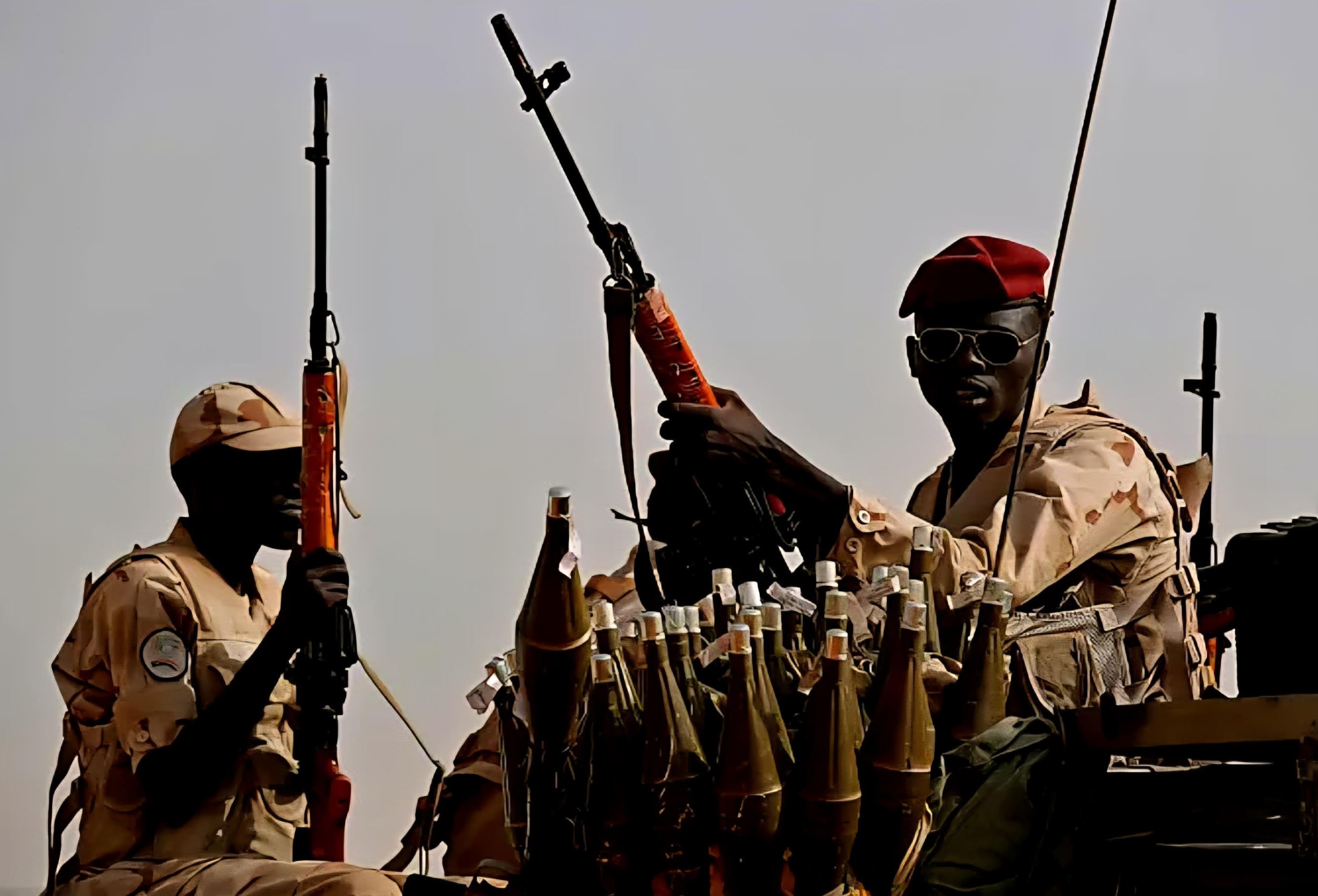
This 2019 photo shows Sudanese soldiers from the Rapid Support Forces in the East Nile province, Sudan. Image Credit: Hussein Malla/AP/File
The 2020 Peace Agreement and the Rise of the RSF
In October 2020, the Sudanese government signed a peace agreement with several rebel groups, including some factions of the DLM. However, not all factions of the DLM signed the agreement, and some groups remained skeptical about the government’s commitment to uphold the conditions of the agreement. The Janjaweed militia was formally integrated into the Sudanese military and became the Rapid Support Forces (RSF). The RSF continued to play a significant role in Sudanese politics and security, eventually becoming a major player in the 2023 conflict.
The 2023 Conflict and Current Situation
In April 2023, a power struggle between the SAF and the RSF erupted into violence, plunging the country into a new phase of conflict. The RSF, led by General Mohamed Hamdan Dagalo (Hemedti), sought to seize control of the government, while the SAF fought to maintain its authority. The conflict has resulted in a catastrophic humanitarian crisis, with over 12 million people displaced and widespread reports of atrocities, including ethnic cleansing and genocide.
Humanitarian Crisis and International Response
The conflict has led to millions of people in dire need of food, shelter, and medical assistance. The international community has been criticized for its response, with many accusing the global powers of apathy and inaction. “The world has failed an entire generation,” said Tom Fletcher, the UN’s top relief official. “Atrocities are committed with unashamed expectation of impunity.”
Advertisement
Conclusion
The conflict in Sudan is a complex issue, with deep-seated historical and cultural roots. Understanding the perspectives of all parties involved is crucial to finding a solution. While the actions of the Janjaweed and the Sudanese government have been widely condemned, it is essential to acknowledge the complexities of the conflict and the motivations of those involved. Only by listening to the voices of all parties and addressing the underlying issues can we hope to find a lasting solution to this devastating conflict.
Sudan is facing one of the largest humanitarian disasters in recent history. Thousands are dying in a conflict that’s been burning for decades. Treaties have been signed and alliances have shifted, but for the people caught in the crossfire, nothing has changed except the body count.
It is easy to overlook conflicts on the other side of the world, especially when they seem distant from our daily lives. But the devastating war in Sudan has evolved into one of the largest humanitarian crises in history, claiming thousands of lives, displacing millions, and demanding international attention and action.
This August 2023 photo shows Sudanese people, who fled the conflict in Murnei in Sudan’s Darfur region, crossing the border between Sudan and Chad. Image Credit: Zohra Bensemra/Reuters
A Brief History
In the early 2000s, Sudan’s western region of Darfur experienced growing tensions between the local population and the government. The Darfur Liberation Movement (DLM) emerged as a rebel group, seeking to address issues of marginalization, lack of development, and neglect by the Sudanese government. The DLM’s primary goal was to secure better representation and resources for the people of Darfur.
The Janjaweed’s Perspective
For some Janjaweed fighters, the conflict was deeply personal. Ammar, a member of a nomadic Arab tribe, said in an interview: ‘We’re not just fighting for the government – we’re fighting for our rights, for our families, and for our future.
The Rise of the Janjaweed
Despite their perceived justification, mass killings, rape, and forced displacement were rampant in their campaign against Darfur’s population of non-Arabs. Janjaweed’s actions were marked by brutality in the extreme.The Janjaweed saw the non-Arabs as inferior, and their actions were driven by a toxic mix of racism and land lust. According to reports, the Janjaweed’s actions led to the deaths of hundreds of thousands of people and the displacement of over 2 million.
The Sudanese Armed Forces (SAF)
The SAF, led by General Abdel Fattah al-Burhan, saw itself as the guardians of stability and order in Sudan. They believed that the DLM’s demands were a threat to the government’s authority and the country’s unity. “We’re not fighting against the people of Darfur,” General al-Burhan said in a speech. “We’re fighting against rebels who want to destabilize our country and undermine our government.”
This 2019 photo shows Sudanese soldiers from the Rapid Support Forces in the East Nile province, Sudan. Image Credit: Hussein Malla/AP/File
The 2020 Peace Agreement and the Rise of the RSF
In October 2020, the Sudanese government signed a peace agreement with several rebel groups, including some factions of the DLM. However, not all factions of the DLM signed the agreement, and some groups remained skeptical about the government’s commitment to uphold the conditions of the agreement. The Janjaweed militia was formally integrated into the Sudanese military and became the Rapid Support Forces (RSF). The RSF continued to play a significant role in Sudanese politics and security, eventually becoming a major player in the 2023 conflict.
The 2023 Conflict and Current Situation
In April 2023, a power struggle between the SAF and the RSF erupted into violence, plunging the country into a new phase of conflict. The RSF, led by General Mohamed Hamdan Dagalo (Hemedti), sought to seize control of the government, while the SAF fought to maintain its authority. The conflict has resulted in a catastrophic humanitarian crisis, with over 12 million people displaced and widespread reports of atrocities, including ethnic cleansing and genocide.
Humanitarian Crisis and International Response
The conflict has led to millions of people in dire need of food, shelter, and medical assistance. The international community has been criticized for its response, with many accusing the global powers of apathy and inaction. “The world has failed an entire generation,” said Tom Fletcher, the UN’s top relief official. “Atrocities are committed with unashamed expectation of impunity.”
Conclusion
The conflict in Sudan is a complex issue, with deep-seated historical and cultural roots. Understanding the perspectives of all parties involved is crucial to finding a solution. While the actions of the Janjaweed and the Sudanese government have been widely condemned, it is essential to acknowledge the complexities of the conflict and the motivations of those involved. Only by listening to the voices of all parties and addressing the underlying issues can we hope to find a lasting solution to this devastating conflict.
—
Key Players and Their Roles:
– Darfur Liberation Movement (DLM): A rebel group seeking to address issues of marginalization and neglect in Darfur.
– Janjaweed: A militia group accused of atrocities in Darfur, backed by the Sudanese government.
– Sudanese Armed Forces (SAF): The military forces of Sudan, led by General Abdel Fattah al-Burhan.
– Rapid Support Forces (RSF): A paramilitary group formed from the Janjaweed militia, led by General Mohamed Hamdan Dagalo (Hemedti).
Advertisement
What readers are saying
Generating a quick summary of the conversation...
This summary is AI-generated. AI can make mistakes and this summary is not a replacement for reading the comments.










COMMENTS