Taiwan's Ministry of National Defense has successfully tested the Field Information Communications System (FICS) in the U.S., which will enhance the island's military communication capabilities by 2025. This advanced system is crucial for improving Taiwan's defense infrastructure amid rising threats from China.
Key points from this article:
The Field Information Communications System (FICS) is set to replace Taiwan's outdated Tactical Area Communication System, significantly upgrading military communication capabilities.
How the FICS will enhance Taiwan's military readiness by enabling real-time communication for field units, improving coordination and responsiveness in potential conflict scenarios against China.
Why the successful testing of FICS in the U.S. marks a strategic milestone for Taiwan's defense partnerships and modernization efforts, crucial for maintaining operational effectiveness in the Indo-Pacific region.
Updating summary...
Taiwan’s New Military Communications System Passes US Testing, Marks Key Step in Defense Modernization
SOFREP News Team
Speed
1x
Listen
COMMENTS
Taiwan’s new battlefield comms system just passed US testing—ushering in a leap toward faster, encrypted, and mobile military ops.
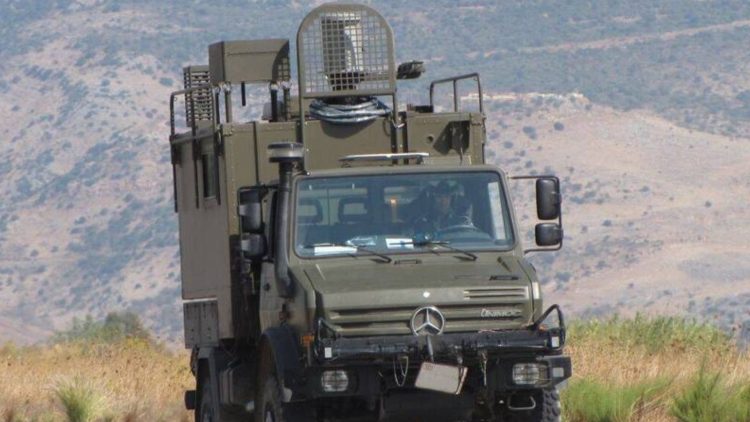
A High Mobility Multipurpose Wheeled Vehicle. (Wikimedia Commons)
In a significant stride toward bolstering its military readiness, Taiwan’s Ministry of National Defense announced last week that the Field Information Communications System (FICS) — a state-of-the-art battlefield communications network — has successfully completed testing in the United States.
Advertisement
The advanced system is now on track for delivery to Taiwan by the fourth quarter of 2025, where it will become a cornerstone of the island’s defense communications infrastructure.
Acquired in 2022 under a 6.99 billion New Taiwan dollar (approx. $246 million) agreement, FICS is designed to significantly enhance the real-time communication capabilities of Taiwan’s field units. The system, once operational, will replace the outdated Tactical Area Communication System, marking a critical upgrade in how Taiwanese forces transmit and receive information during operations.
The FICS is a third-generation mobile land communication platform, engineered to deliver secure, encrypted, and resilient communications across dynamic combat environments.
Advertisement
It is slated for integration with Taiwan’s refurbished M1097A2 High Mobility Multipurpose Wheeled Vehicles (HMMWV), ensuring that the system remains highly mobile and adaptable to Taiwan’s diverse terrain.
(Image representation only) A High Mobility Multipurpose Wheeled Vehicle (HMMWV) navigates a paved route during training. (DVIDS)
According to defense officials, the system is designed not only for voice and data communication but also to enhance the precision and effectiveness of Taiwan’s weapon platforms, including the M142 High Mobility Artillery Rocket System (HIMARS).
Advertisement
With integrated battlefield communications, these platforms will be able to respond faster and more accurately in high-stakes combat scenarios.
The FICS’s deployment aligns with Taiwan’s broader military modernization strategy, which focuses on developing asymmetric warfare capabilities, cyber resilience, and network-centric operations in response to rising regional security threats, particularly from an increasingly assertive China.
Fortifying Cybersecurity and Electronic Warfare Readiness
Security is at the core of the FICS program. Once deployed, the system will be managed by Taiwan’s Information, Communications, and Electronic Force Command, and will be protected by a National Security Bureau-certified security device.
Advertisement
To further reinforce cyber defenses, FICS will incorporate advanced encryption and monitoring systems developed by the state-run National Chung-Shan Institute of Science and Technology, Taiwan’s premier military research and development (R&D) agency.
These enhancements are expected to ensure the integrity and confidentiality of communications on the modern battlefield.
The successful US testing of FICS is a major validation of Taiwan’s defense partnerships and technological ambitions. It underscores the growing sophistication of Taiwan’s military infrastructure at a time when strategic deterrence and rapid-response capabilities are more vital than ever.
As Taiwan prepares for the final integration and deployment of the FICS by late 2025, the system is set to become a critical asset in strengthening command-and-control operations, enhancing force mobility, and supporting the island’s overall defense posture in the Indo-Pacific region.
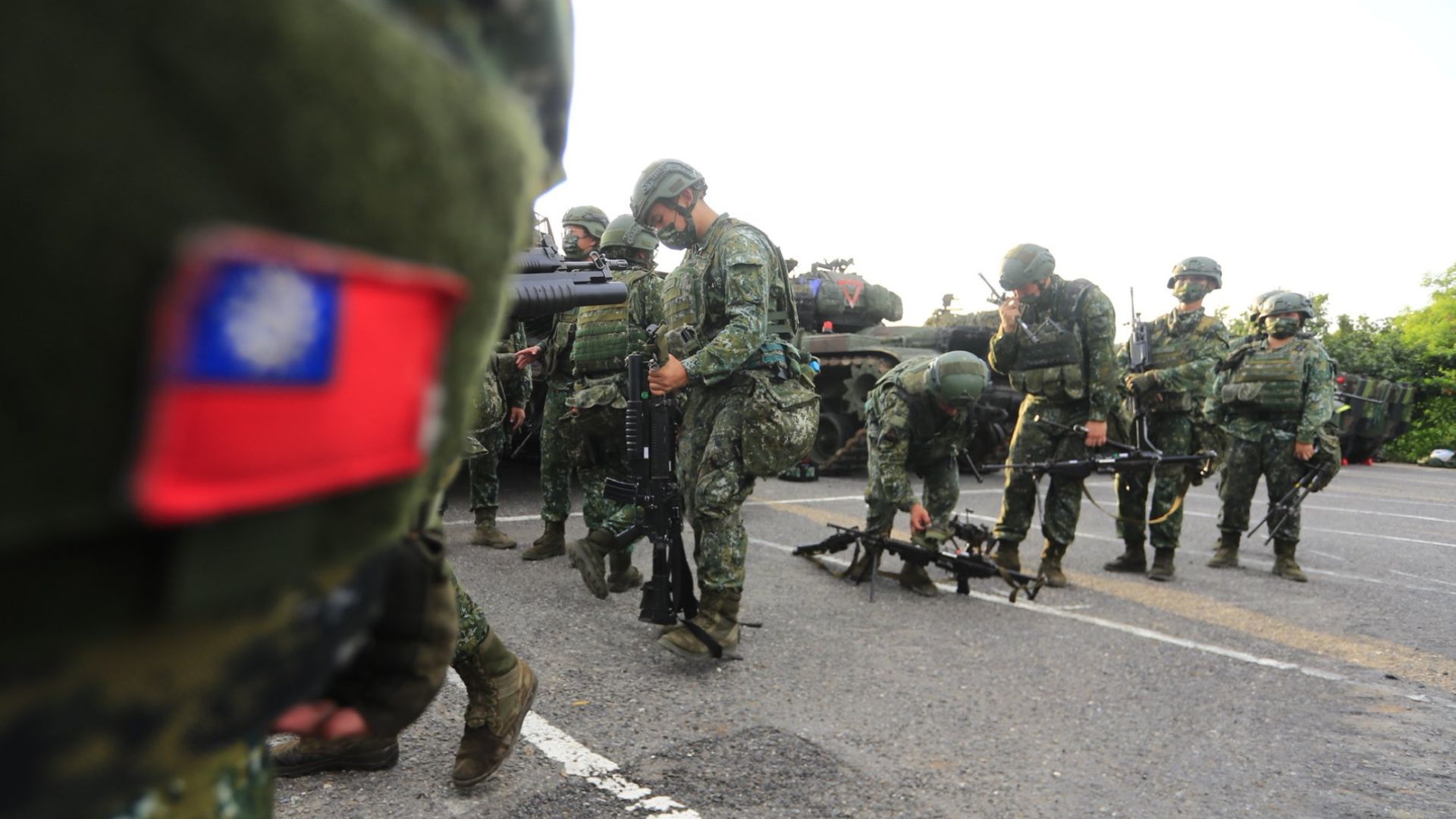
Taiwanese soldiers (Image grab via X)
Why FICS Matters: Strategic Significance for Taiwan
The FICS arrives at a pivotal moment for Taiwan, as the island faces growing pressure from China’s military assertiveness in the Taiwan Strait. In a potential conflict scenario, the ability to coordinate forces quickly, securely, and across difficult terrain could determine operational success or failure.
Taiwan’s current tactical communication systems, while functional, lag behind modern standards for speed, encryption, and mobility. FICS addresses these vulnerabilities by enabling real-time command and control, allowing field units to rapidly share target data, mission updates, and sensor feeds without fear of interception.
Moreover, the integration of FICS with systems like HIMARS enhances the responsiveness and lethality of Taiwan’s long-range strike capabilities—an essential component of its asymmetric defense strategy. In short, FICS helps Taiwan move closer to a network-centric warfare model, one where agility, information dominance, and rapid decision-making become force multipliers against a larger adversary.
Advertisement
What readers are saying
Generating a quick summary of the conversation...
This summary is AI-generated. AI can make mistakes and this summary is not a replacement for reading the comments.











COMMENTS