The United States’ ramped-up military presence near Venezuela reflects a complex interplay of geopolitical strategy, national security concerns, and domestic political considerations. The recent actions taken by the Trump administration—such as the increased military buildup in the Caribbean, the authorization of covert operations by the CIA, and the controversial designation of Venezuelan drug cartels as foreign terrorist organizations—indicate a significant escalation in U.S. military posture in the region (https://apple.news/Af0DymZJqTom99wUB3pzt4Q).
Geopolitical Concerns and Military Strategy
One primary catalyst for this military buildup is the ongoing crisis in Venezuela, which has led to mass migration and instability in the region. The U.S. government has expressed concern over the potential for Venezuela to become a failed state that could further exacerbate the humanitarian crisis and provide a foothold for regional adversaries. The Trump administration’s emphasis on drug cartels is rooted in a broader strategic rationale that positions these organizations as threats not only to domestic security but also to regional stability.
The acknowledgment by President Trump that the U.S. might consider land operations as part of its military strategy is particularly notable. Historically, land operations have been contentious and fraught with challenges, particularly in Latin America, where past interventions have often resulted in prolonged instability and resistance from local populations.
Legal and Constitutional Considerations
The U.S. Constitution grants Congress the authority to declare war, making it essential for legislative oversight to be a focal point of military operations. The administration’s actions, especially in leveraging military force without explicit congressional approval, raise significant constitutional questions. The Senate’s rejection of a resolution to block military action against Venezuela further complicates the situation, highlighting a disconnect between the executive and legislative branches over foreign policy.
Congressional involvement is critical not only from a legal standpoint but also to ensure accountability and public scrutiny of military engagements. The bipartisan effort to restrict the president’s authority to act against Venezuela without congressional consent reflects a growing concern among lawmakers about the risks of unauthorized military actions and the potential for escalation into broader conflict.
Moral Implications and Historical Precedent
From a moral perspective, the implications of military intervention are profound. The U.S. has a mixed track record of military interventions that have led to unintended consequences—examples include prolonged conflicts in Afghanistan and Iraq, as well as ongoing struggles in regions like Africa. Critics argue that past failures point to the dangers of military overreach and the challenges inherent in regime change strategies, especially in areas where local dynamics are complex and sometimes incomprehensible to external actors.
This latest escalation in the Caribbean not only raises questions about effectiveness but also about the principles that underlie U.S. foreign policy. The “America First” approach espoused by the Trump administration runs counter to military interventions that could entangle the U.S. in yet another protracted conflict, diverting resources and attention from domestic challenges.
Conclusion
The U.S.’s military buildup near Venezuela reflects ongoing concerns about regional stability, drug trafficking, and humanitarian crises. However, the legal and ethical ramifications of such actions cannot be overlooked. As the political landscape evolves, and with Congress seeking to reassert its authority over military engagements, the ultimate outcome will depend on a delicate balance between addressing immediate security concerns and adhering to constitutional principles and moral imperatives.
Moreover, given the historical context of military interventions, the U.S. must tread carefully; the consequences of missteps could have far-reaching implications not just for Venezuela, but for the broader international community and America’s standing within it. Engaging in thoughtful discourse and ensuring proper checks and balances will be critical as policymakers navigate these complex issues.
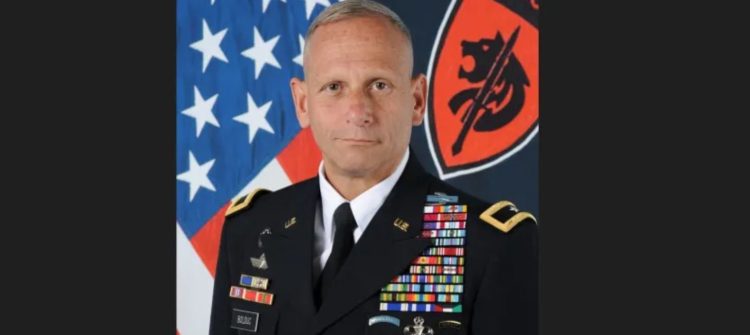
Donald C. Bolduc
Already have an account? Sign In
Two ways to continue to read this article.
Subscribe
$1.99
every 4 weeks
- Unlimited access to all articles
- Support independent journalism
- Ad-free reading experience
Subscribe Now
Recurring Monthly. Cancel Anytime.
The United States’ ramped-up military presence near Venezuela reflects a complex interplay of geopolitical strategy, national security concerns, and domestic political considerations. The recent actions taken by the Trump administration—such as the increased military buildup in the Caribbean, the authorization of covert operations by the CIA, and the controversial designation of Venezuelan drug cartels as foreign terrorist organizations—indicate a significant escalation in U.S. military posture in the region (https://apple.news/Af0DymZJqTom99wUB3pzt4Q).
Geopolitical Concerns and Military Strategy
One primary catalyst for this military buildup is the ongoing crisis in Venezuela, which has led to mass migration and instability in the region. The U.S. government has expressed concern over the potential for Venezuela to become a failed state that could further exacerbate the humanitarian crisis and provide a foothold for regional adversaries. The Trump administration’s emphasis on drug cartels is rooted in a broader strategic rationale that positions these organizations as threats not only to domestic security but also to regional stability.
The acknowledgment by President Trump that the U.S. might consider land operations as part of its military strategy is particularly notable. Historically, land operations have been contentious and fraught with challenges, particularly in Latin America, where past interventions have often resulted in prolonged instability and resistance from local populations.
Legal and Constitutional Considerations
The U.S. Constitution grants Congress the authority to declare war, making it essential for legislative oversight to be a focal point of military operations. The administration’s actions, especially in leveraging military force without explicit congressional approval, raise significant constitutional questions. The Senate’s rejection of a resolution to block military action against Venezuela further complicates the situation, highlighting a disconnect between the executive and legislative branches over foreign policy.
Congressional involvement is critical not only from a legal standpoint but also to ensure accountability and public scrutiny of military engagements. The bipartisan effort to restrict the president’s authority to act against Venezuela without congressional consent reflects a growing concern among lawmakers about the risks of unauthorized military actions and the potential for escalation into broader conflict.
Moral Implications and Historical Precedent
From a moral perspective, the implications of military intervention are profound. The U.S. has a mixed track record of military interventions that have led to unintended consequences—examples include prolonged conflicts in Afghanistan and Iraq, as well as ongoing struggles in regions like Africa. Critics argue that past failures point to the dangers of military overreach and the challenges inherent in regime change strategies, especially in areas where local dynamics are complex and sometimes incomprehensible to external actors.
This latest escalation in the Caribbean not only raises questions about effectiveness but also about the principles that underlie U.S. foreign policy. The “America First” approach espoused by the Trump administration runs counter to military interventions that could entangle the U.S. in yet another protracted conflict, diverting resources and attention from domestic challenges.
Conclusion
The U.S.’s military buildup near Venezuela reflects ongoing concerns about regional stability, drug trafficking, and humanitarian crises. However, the legal and ethical ramifications of such actions cannot be overlooked. As the political landscape evolves, and with Congress seeking to reassert its authority over military engagements, the ultimate outcome will depend on a delicate balance between addressing immediate security concerns and adhering to constitutional principles and moral imperatives.
Moreover, given the historical context of military interventions, the U.S. must tread carefully; the consequences of missteps could have far-reaching implications not just for Venezuela, but for the broader international community and America’s standing within it. Engaging in thoughtful discourse and ensuring proper checks and balances will be critical as policymakers navigate these complex issues.
Donald C. Bolduc










COMMENTS