While it is clear that Nicolás Maduro is a problematic leader for Venezuela, it is crucial to approach the issue of U.S. intervention thoughtfully. The Trump administration risks repeating the same mistakes made by previous administrations that have too readily turned to regime change as a viable solution (https://apple.news/A41SA4dizQ6uItjiU7yZzbA)
Secretary of State Marco Rubio, who once served as a senator, had opportunities during his tenure to influence U.S. policy. However, his inaction regarding the flawed strategies of three consecutive administrations with respect to foreign engagements raises concerns. Rubio serving as the National Security Advisor and the Secretary of State can create an echo chamber that reinforces aggressive strategies rather than fostering dialogue and understanding. This dynamic is particularly dangerous in a global environment characterized by rising tensions, where misjudgments can escalate into larger conflicts.
The history of small wars morphing into prolonged conflicts has shown us that such interventions drain national resources—both financial and human—and can lead to unforeseen consequences. As General Colin Powell famously stated, “If you break it, you own it.” This sentiment has been a recurring theme in American foreign policy since World War II, emphasizing the responsibility that comes with intervention.
The Trump administration’s aggressive stance, including military actions such as bombings and naval maneuvers, represents a dangerous overreach. Such actions not only violate principles of international law but also stand in stark contrast to the values and justice systems that the United States espouses. Unfortunately, this administration has faced little pushback from a confused and often intimidated Congress, allowing it to pursue a path that could lead to further entanglement in foreign conflicts.
Moreover, advocating for military intervention in Venezuela undermines the principle of national sovereignty. Each country has the responsibility to govern itself, and U.S. engagement should not replace the authority of the Venezuelan people to determine their own future. Engaging in more “small, long-term wars” can further undermine U.S. credibility and complicate international relations, ultimately eroding the nation’s standing on the global stage.
As we reflect on these issues, it is essential to consider the long-term ramifications of interventionist policies and seek more diplomatic and non-military avenues for supporting human rights and stability in Venezuela, rather than resorting to force.
In conclusion, while holding leaders accountable for their actions is vital, the approach of regime change through military intervention has historically proven to be a flawed strategy. Without a significant change in policy and strategy, there is little reason to believe that the Trump administration—and its allies—will navigate the complexities of Venezuela any differently than past administrations have. Equally concerning is that these actions by the Trump administration are in direct conflict with MAGA policies on foreign intervention.
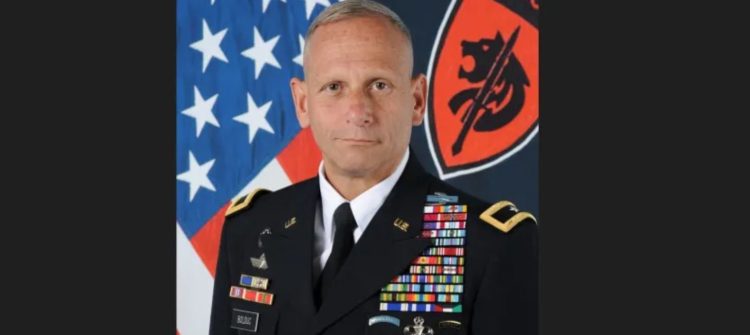
Donald C. Bolduc
Already have an account? Sign In
Two ways to continue to read this article.
Subscribe
$1.99
every 4 weeks
- Unlimited access to all articles
- Support independent journalism
- Ad-free reading experience
Subscribe Now
Recurring Monthly. Cancel Anytime.