The question of whether military personnel should follow orders or disobey them in situations where they believe those orders may be illegal, immoral, or unsafe has long been a critical ethical dilemma faced by professionals in the military. Throughout history, this moral quandary has surfaced in various conflicts, engendering discussions about the responsibilities of service members in obeying their superiors while adhering to principles of justice, human rights, and the rule of law.
The General Standard
Most military personnel navigate their careers without confronting these dilemmas too frequently; however, they must remain vigilant regarding the ethical implications of their orders. Personal standards often guide decision-making in these situations. A commonly accepted framework posits that military personnel should comply with lawful orders unless they are illegal, immoral, or negligently unsafe.
If faced with potentially unethical directives, service members should voice their objections respectfully. Communication regarding concerns is paramount; clarity around those concerns often forms the foundation of constructive dialogue. When a military member believes that following an order may jeopardize moral or legal standards, they must articulate their objections and suggest an alternative course of action while adhering to the chain of command.
Types of Orders and Ethical Implications
It’s essential to differentiate between orders that are illegal, immoral, and negligently unsafe versus those that may be counter to policy, strategically unsound, operationally unfeasible, or tactically dangerous. An order that violates international law, for instance, poses substantial ethical challenges and calls into question the integrity of those who execute it. It is critical to remember that the military operates within the framework of both domestic law and international humanitarian law.
Conversely, an order that may seem strategically unsound may not necessarily violate ethical norms. Recognizing these distinctions is vital for military personnel who often operate in complex and high-pressure environments. They must balance the need to complete missions effectively with the necessity of maintaining moral and ethical integrity.
Current Context and Implications
The debate about the appropriate use of military power has resurfaced, particularly in light of decisions made by the Trump administration. These developments have raised significant concerns among military professionals and members of Congress regarding the ethical implications of deploying military forces and adhering to the established protocols of military engagement.
In a healthy democracy, it is vital to foster discussions about the use of armed forces that uphold the principles of accountability and responsible governance. Concerns expressed by members of Congress regarding military orders should not be viewed as treasonous; rather, they reflect an essential democratic process whereby oversight and accountability are fundamental to maintaining the integrity of military operations and upholding the rule of law in warfare.
Conclusion
The moral landscape of military operations will always present challenges surrounding the adherence to orders issued by superiors. For military personnel, maintaining a clear ethical standard—one that prioritizes legality and morality over blind obedience—ensures that they act in accordance with their professional responsibilities while upholding the principles of justice. Engaging in respectful and open dialogues about these issues is essential within our republic, enhancing the military’s transparency, fostering a culture of accountability, and reinforcing the importance of lawful conduct in warfare. By addressing these crucial topics, military professionals can ensure that they remain committed to the values that underpin their service and to the nation they protect.
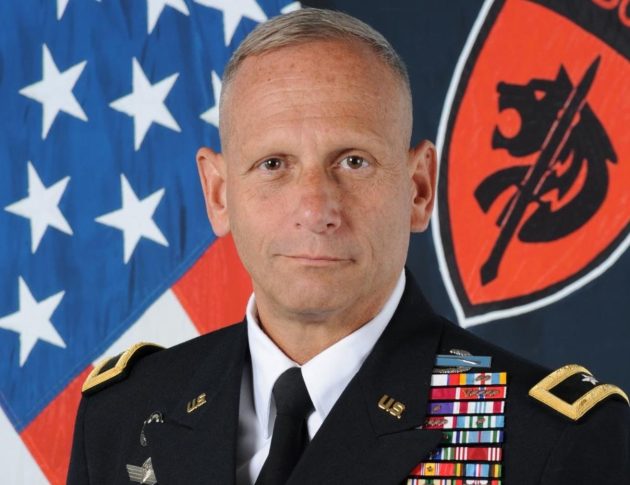
Donald C. Bolduc
Already have an account? Sign In
Two ways to continue to read this article.
Subscribe
$1.99
every 4 weeks
- Unlimited access to all articles
- Support independent journalism
- Ad-free reading experience
Subscribe Now
Recurring Monthly. Cancel Anytime.










COMMENTS