

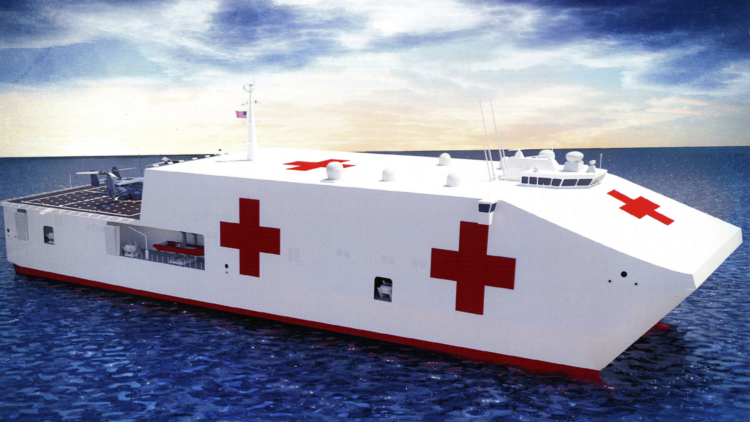
They’re the Navy’s own brand of swift, medical ninjas, ready to swoop in and deliver critical care wherever it’s needed most.
Today we celebrated the future USNS Bethesda (EMS 1). Thank you @govwesmoore & @DawnFlytheMoore for joining me at @NICoEPage to honor the legacy & dedicated @NavyMedicine professionals of @nsabethesda. pic.twitter.com/57nEpLEbLS
— Secretary of the Navy Carlos Del Toro (@SECNAV) January 9, 2024
According to the big guns at Navy Medicine, these ships are like ambulances on steroids.
They’re all about keeping our folks fighting fit, plucking them from the brink, and patching them up good as new.
It’s about getting them back into the fight or safely back to base, fighting fit.
Shifting Focus to the Indo-Pacific Region
Naming this lead ship after Bethesda isn’t just a nod to the famous Walter Reed National Military Medical Center.
It’s a big, bold statement about where the Navy’s setting its sights: the Indo-Pacific.
Secretary of the Navy Carlos Del Toro isn’t playing around; he knows the game and the vast distances that need covering.
“This ship, as well as all the Bethesda-class of expeditionary medical ships, is designed to provide hospital-level care in austere environments, and will serve not just our Sailors and Marines, but offer assistance and comfort to our allies and partners around the globe in times of need,” said Del Toro in a press statement.
The Indo-Pacific isn’t your average neighborhood.
It’s a complex, demanding environment that needs a special kind of response.
That’s where these Expeditionary Medical Ships come into play.
They’re built for the job, ready to provide hospital-level care in the toughest of spots.
Global Reach and Humanitarian Assistance
But hold on, it’s not just about the Indo-Pacific.
The Navy’s thinking big, real big.
Del Toro’s got plans that might just see these ships heading to South America, much like the USNS Comfort did.
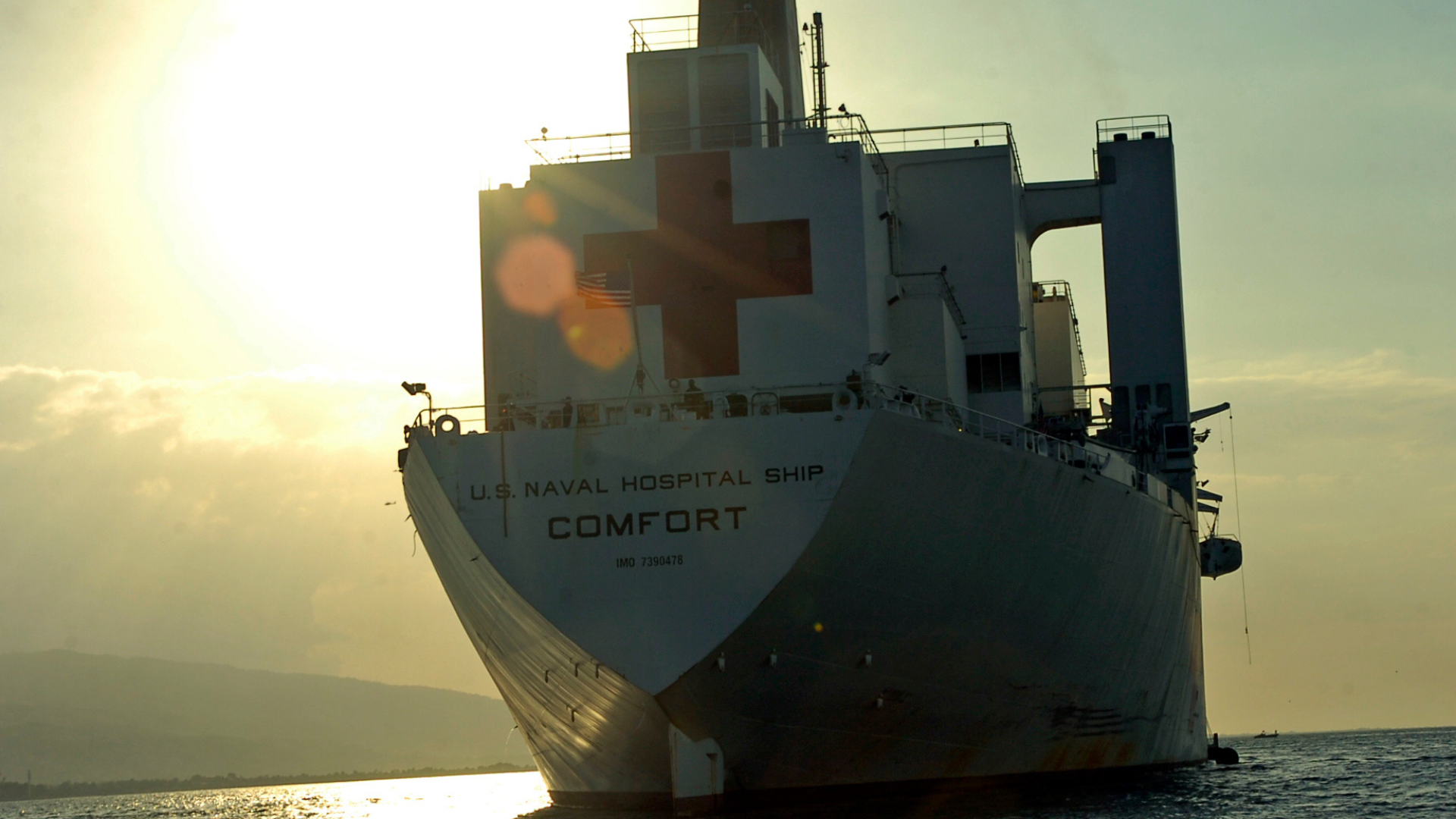
These ships aren’t about war; they’re about humanity, about lending a helping hand when the world’s in a tight spot.
In his speech, Del Toro made it clear: these ships are here for everyone, saying: “Most of all, USNS Bethesda will serve as a beacon of hope, of comfort, of mercy, and of the American people’s enduring friendship to all she supports around the globe.”
They’re about offering comfort and assistance, not just to our sailors and marines but to our allies and partners across the globe.
It’s a message of hope—of solidarity—in a world that’s often too cold and indifferent.
“This ship—and its sister ships—will serve as the backbones of future missions, allowing us to deliver agile and responsive medical care whenever and wherever needed,” said Rear Adm. Darin Via, the Navy’s 40th Surgeon General, in a statement.
Conclusion
So, what we’ve got here is the future of Navy Medicine: the USNS Bethesda and her sister ships.
They’re more than just boats; they’re symbols of America’s commitment to healing and helping, no matter the odds.
In a world where the Indo-Pacific is increasingly taking center stage, these ships are a solid bet on the Navy’s ability to adapt and excel.
They’re about meeting the healthcare needs of our military and civilians alike, showing once again that the US Navy is a force to be reckoned with, a force for good.
And that, my friends, is the long and short of it. The USNS Bethesda and her sisters are set to make waves, quite literally, in Navy Medicine and beyond.
It’s a brave new world out there, and the Navy’s sailing right into it, flags flying high.








COMMENTS