
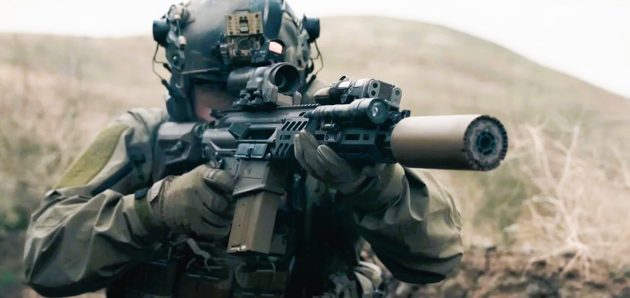
The first troops who carried the SIG Sauer M7 into real training cycles brought back feedback that cut through the noise. The rifle hits with authority, reaches beyond legacy 5.56 platforms, and gives close combat units a more capable solution for armor-protected threats. At the same time, they made something else clear. The M7 is not done growing. It is adjusting in direct response to soldiers who are firing thousands of rounds through it under demanding conditions.
The rifle that began as a procurement centerpiece is becoming a weapon shaped by the people who depend on it. The Army asked for more reach and more power. Soldiers are helping define how that power needs to be delivered.
Soldiers Report the First Real Lessons
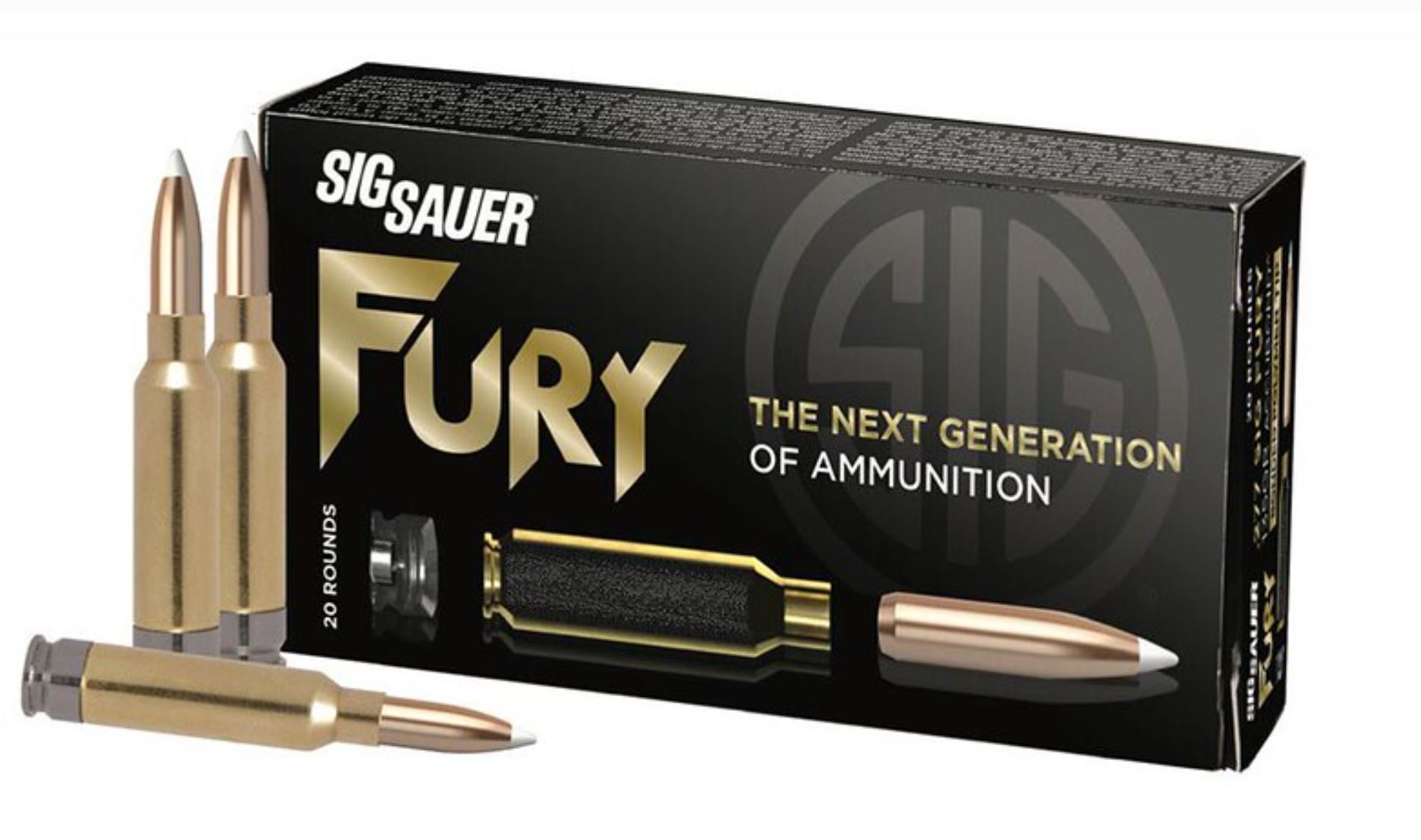
Early adopters highlighted exactly what developers expected. The 6.8 by 51 millimeter hybrid cartridge provides reach and performance against modern armor that the M4 could not. That extra power came with a familiar penalty. Increased recoil required real technique to control during fast-paced drills.
Engineers responded by refining the gas system, especially in suppressed configurations. Testers have already noted that the latest M7 setups feel smoother to fire and easier to manage than the earliest prototypes. That matters during movement drills where seconds and shot timing control outcomes.
Weight became a natural focus as well. The M7 is heavier than the M4, but troops called for better balance. SIG Sauer’s product improvements now include a lighter barrel profile and a reprofiled handguard. These changes came directly from soldier touchpoints and can be seen in the most recent M7 variants shown to the public.
Suppression, Signature, and Heat in Real Contact Drills
Troops strongly supported the decision to field suppressors as standard equipment. Lower sound signature improves control in confined spaces and allows a squad to communicate under pressure without losing cohesion.
Heat became an unavoidable topic. Long strings of fire raised suppressor temperature enough to affect handling. SIG’s revised setup now uses a shortened SLX suppressor paired with a lightweight thermal shield. Testing indicates the shield delays the visible heat bloom under night vision from roughly forty rounds to about one hundred. This improves tactical flexibility and helps the rifle remain useful under realistic contact pacing.
Signature reduction is turning out to be a major benefit of the program. A suppressed rifle firing a more capable cartridge allows teams to issue corrections, maintain formation, and move through problems while communicating at a level the old system struggled to support.
XM157 Fire Control Learns From Its Users
The XM157 Fire Control from Vortex takes the M7 further. The optic combines a laser rangefinder, ballistic computer, environmental sensors, a digital display, and a variable one to eight power glass. The result is faster engagement at ranges that pushed the limits of the M4.
Soldiers also pointed out areas that need refinement. Menu flow, brightness behavior, and battery indicators were the top concerns. The good news for the Army is that these are software-driven issues. Firmware updates can streamline these functions without any mechanical changes. Durability, including lens protection, remains under close review as more units put the optic through demanding cycles.
The optic is evolving at the same pace as the rifle, guided by the users who rely on it.
Training Keeps Pace With New Capability
The M7 and its optic forced units to expand how they train. Recoil control requires more focused instruction. The fire control system adds data-driven elements that soldiers must learn to integrate instead of depending solely on familiar muscle memory.
Maintenance expectations will evolve as well. High-pressure ammunition and suppressor-centered operation create different wear patterns. The Army will adjust technical manuals and inspection intervals as field experience accumulates.
A System Still Growing for the Fight Ahead
The strongest message from the field is direct. The M7 is not a finished product handed to the force and forgotten. It is a living system shaped through repeated cycles of testing, feedback, and refinement. Each rotation reveals strengths and points that require adjustment. Each improvement pushes the rifle closer to what soldiers will need in a real fight, not what the previous generation needed in theirs.
If the United States intends to field a world-class weapon for the next conflict, this is what the path looks like. Real shooters, real data, and a willingness to evolve.
The SIG Sauer M7 is becoming the rifle the Army envisioned, and the one troops expect to carry into whatever comes next.








COMMENTS