

The existence of the SCS is not officially recognized. It is known only that this new federal agency brings together CIA and NSA teams’ expertise in decryption of transmissions, especially those protected against any intrusion to come from the outside.
USAF PJ
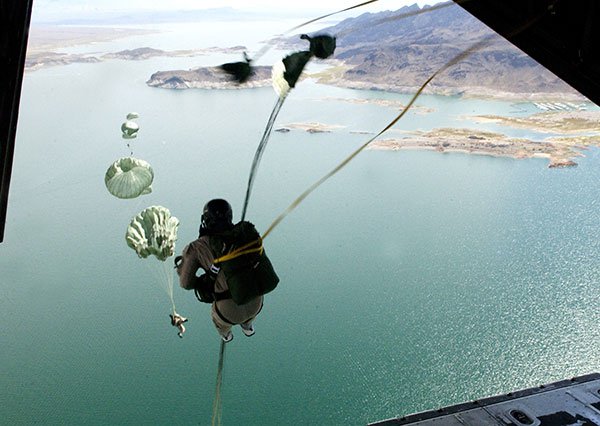
Pararescuemen are known as PJs, short for pararescue jumpers. They hold a very unique position as USSOCOM’s (indeed, all of the DOD’s) only specific CSAR (combat search and rescue) career field, trained and equipped to conduct both conventional and unconventional recovery missions, CASEVAC and MEDEVAC.
They are not simply medics, and they are anything but unarmed. Their motto is That Others May Live, and their trauma medicine capabilities, combined with SOF battlefield skills, make them special even within the special operations community. Their missions take them on a wide array of missions, from combat rescues of downed pilots to patrolling into remote areas with Green Berets and CAG to supporting NASA missions.
A little known fact about PJs: Their officers were for years an all-enlisted force, until recently with the establishment of the combat rescue officer. Over half of all Air Force Cross recipients are pararescuemen. There are a number of PJ units in various locations (including the Alaska National Guard, who conduct more cold-weather civilian rescues annually than they ever do CSAR deployed, which is why they need specialized gear).
USAF Combat Controllers (CCT)
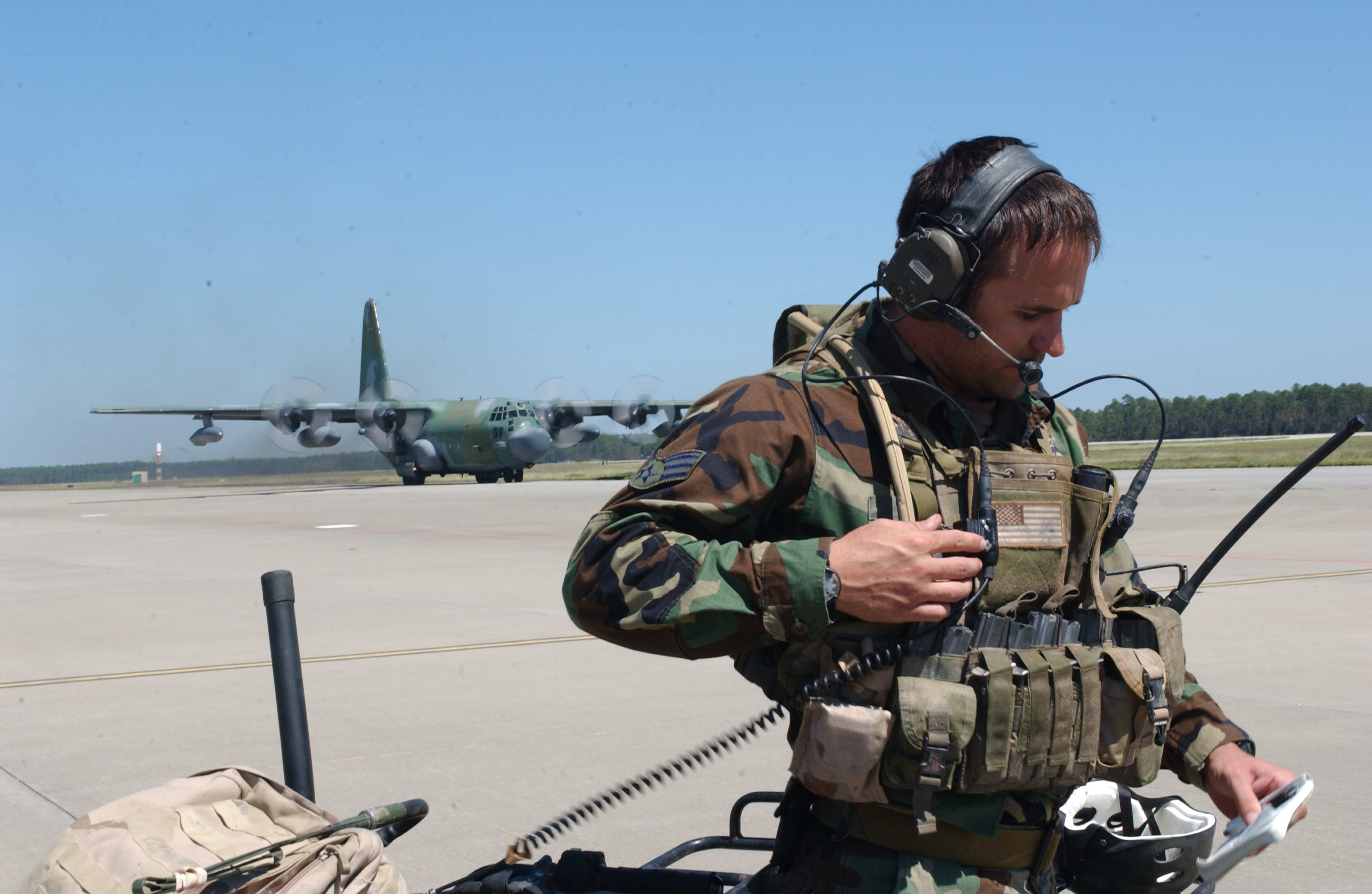
Combat Control Technicians (CCT) of U.S. Air Force special tactics squadrons are highly proficient in the following:
- Air-traffic control
Combat controllers are trained to covertly insert; mark out landing zones (for helicopters), ad hoc landing strips (for fixed-wing aircraft), or parachute drop zones; and then guide air assets in and out. This is their primary role. - Joint terminal attack control (JTAC)
CCTs are capable of calling in fire from aircraft such as fast-moving jets, attack helicopters, and AC-130 gunships. This is not their primary role, and is a function that may be covered by a dedicated Air Force Tactical Air Control Party (TACP) unit on the scene.
USAF CCTs typically work alongside other special operations forces and accompany them on missions. They are proficient in many methods of insertion, such as HALO parachuting and amphibious operations.
NSA Scorpion Program
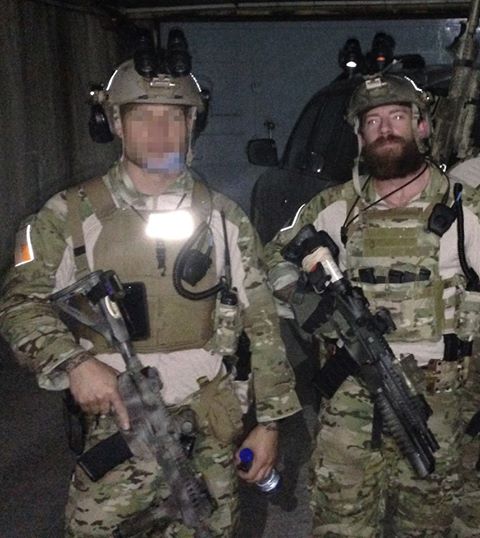
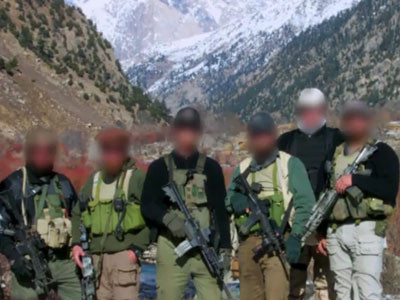
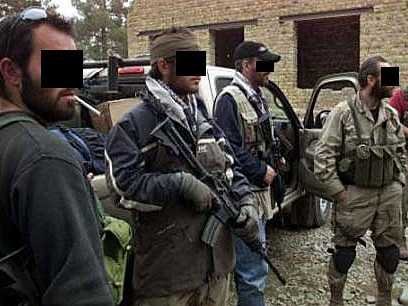
The Scorpion Program is the National Security Agency’s (NSA) version (albeit on a much smaller scale) of the Central Intelligence Agency’s (CIA) Global Response Staff, or GRS program. The GRS has gained recognition recently due to the role they played in mounting a rescue operation of U.S. diplomats and staff during the Benghazi attack in 2012. The GRS mission calls for the security, sometimes undercover, of the CIA’s case officers on the ground. Five of the last 14 CIA employees killed in recent years were part of GRS.
The NSA’s much smaller footprint in combat zones overseas requires a much smaller security force, but one that is equally capable to their GRS brethren. The Scorpion Program is a force made up of security contractors, many of whom have a distinguished background in the U.S. special operations community.
Tapping of phone lines and Internet cables, manipulating cell phone towers, and establishing satellite uplinks in hostile territory are all jobs performed by NSA technicians on the ground. This is not the type of work that can be accomplished from the safety of the NSA headquarters in Fort Meade, Maryland. These technicians and their security contractors operate under the cover of darkness as very small teams in some of the most dangerous enemy territory in order to emplace technology that will directly contribute to the war effort.







COMMENTS