
Thirteen days in the history of the accused leader of the Benghazi attacks
AI Overview
Summary is AI-generated, newsroom-reviewed.
Under a nearly full moon, a small boat pulled away from the Libyan coastline. A bearded man sat on board, masked, handcuffed and gagged until out of shouting range of land. After 20 minutes, armed guards lowered him into a shallow pit in the deck of a second vessel to guard against his falling overb
Read the full article for more on:
- Important insights and detailed analysis
- Expert commentary on current events
- Breaking developments and updates
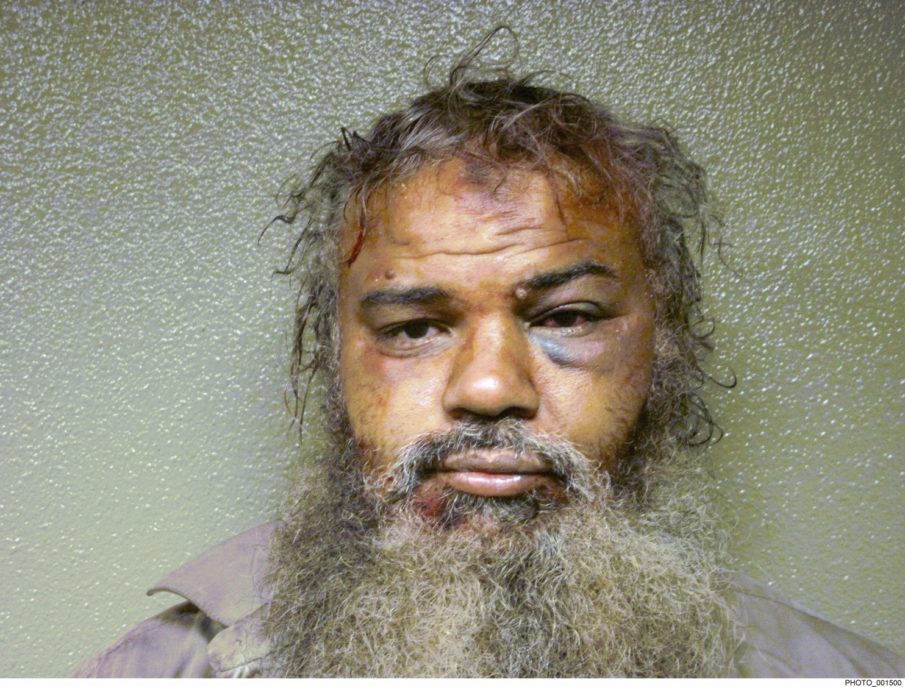
Thirteen days in the history of the accused leader of the Benghazi attacks
SOFREP News Team
Speed
1x
Under a nearly full moon, a small boat pulled away from the Libyan coastline. A bearded man sat on board, masked, handcuffed and gagged until out of shouting range of land. After 20 minutes, armed guards lowered him into a shallow pit in the deck of a second vessel to guard against his falling overboard […]

Advertisement
What readers are saying
Generating a quick summary of the conversation...
This summary is AI-generated. AI can make mistakes and this summary is not a replacement for reading the comments.








COMMENTS