

A tiny detail from North Korea’s missile launch points to an even more dangerous threat
AI Overview
Summary is AI-generated, newsroom-reviewed.
North Korea demonstrated its ability to reach the continental US with a nuclear-capable ballistic missile on July 4, but close analysis of launch footage may point to another dangerous technological development. Unlike other North Korean missiles, the intercontinental-range Hwasong-14 missile uses a
Read the full article for more on:
- Important insights and detailed analysis
- Expert commentary on current events
- Breaking developments and updates
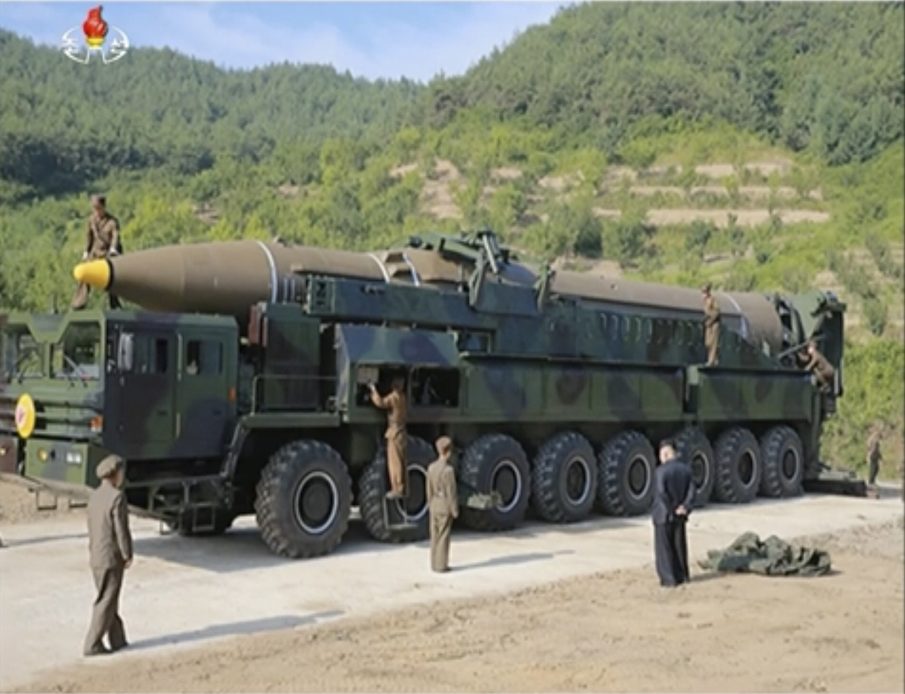
A tiny detail from North Korea’s missile launch points to an even more dangerous threat
SOFREP News Team
Speed
1x
North Korea demonstrated its ability to reach the continental US with a nuclear-capable ballistic missile on July 4, but close analysis of launch footage may point to another dangerous technological development. Unlike other North Korean missiles, the intercontinental-range Hwasong-14 missile uses a “shroud,” or a hollow cover instead of a more solid nosecone, researchers have discovered. ICBMs […]
Advertisement
What readers are saying
Generating a quick summary of the conversation...
This summary is AI-generated. AI can make mistakes and this summary is not a replacement for reading the comments.








COMMENTS