

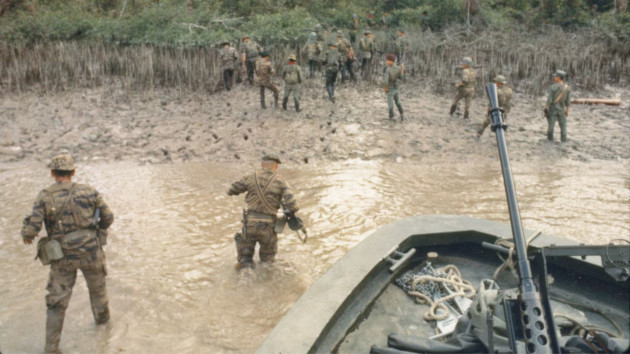
Their mission was simple on paper.
Find the Viet Cong leadership cell. Capture them if possible. Destroy their ability to gather intelligence on American and South Vietnamese forces.
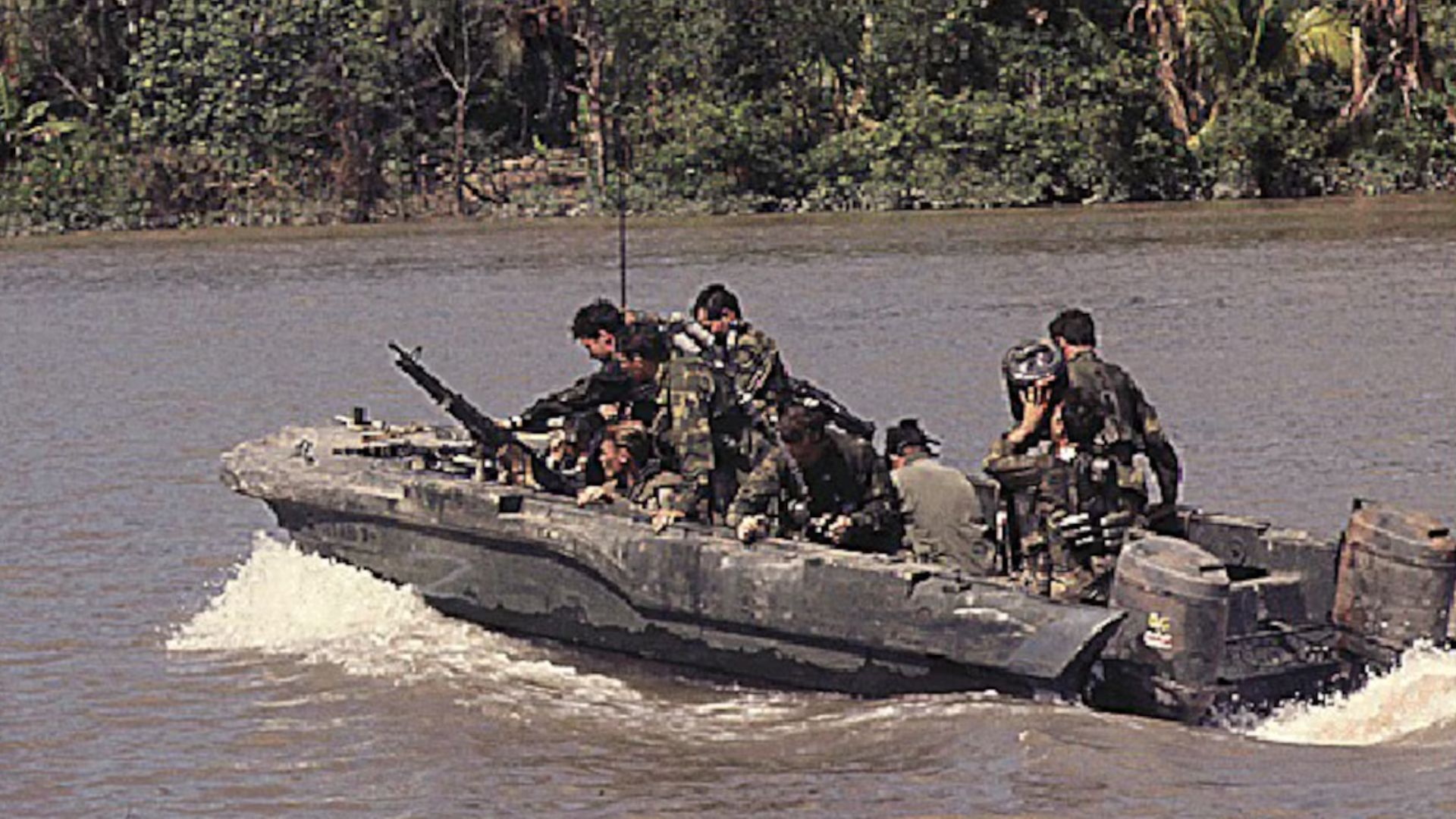
On a moonless night, the SEALs slipped toward the island aboard a small skimmer craft.
Then the real work began.
The Climb
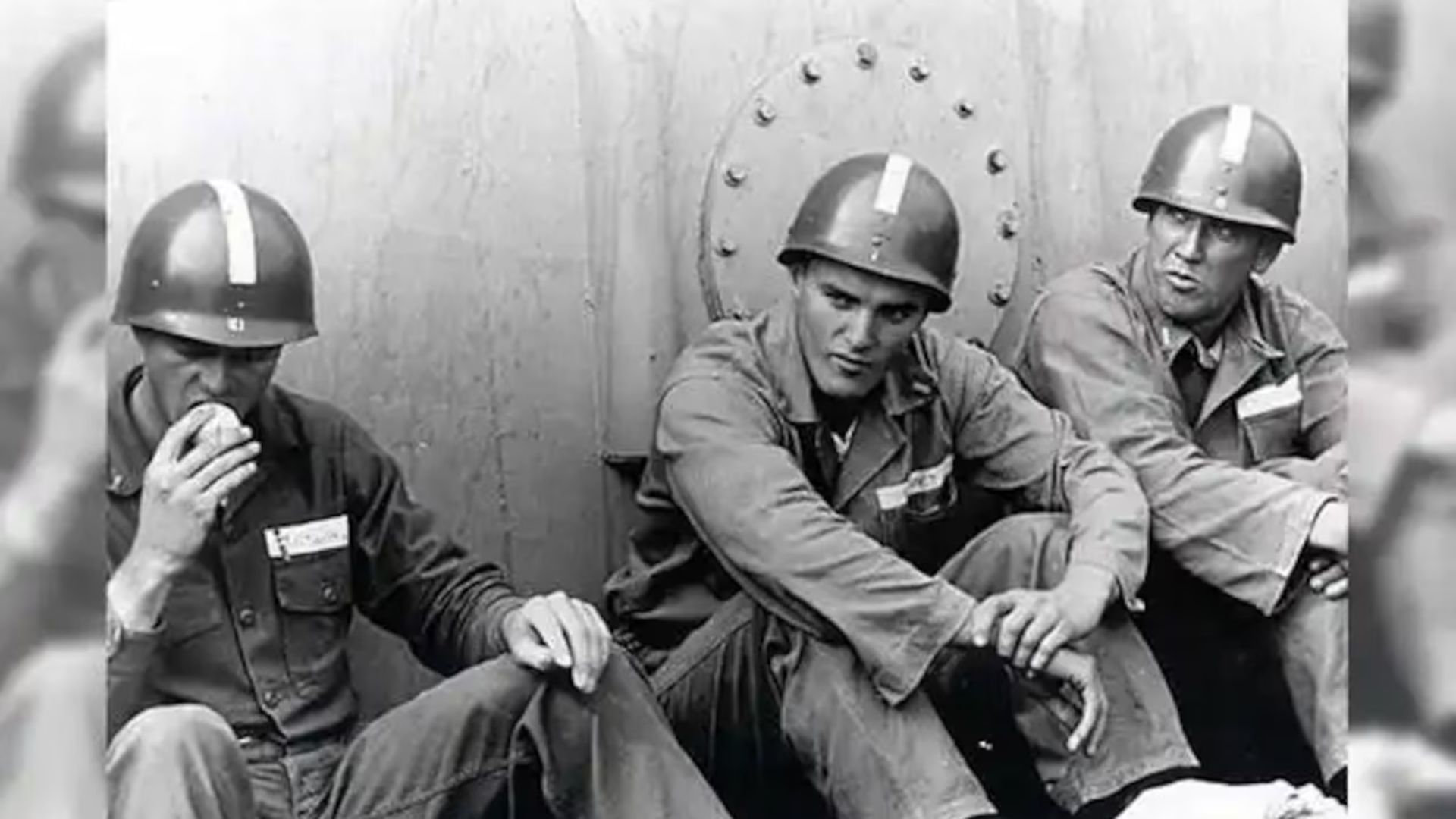
The team reached the base of a sheer cliff rising roughly 350 feet above the water.
They climbed it without ropes.
One careful handhold at a time, the SEALs pulled themselves up the rock face in darkness. The climb gave them the advantage of surprise. Few defenders expected an attack from above.
When the team crested the cliff, the enemy position lay below them.
The SEALs split into elements and moved to surround the small village of huts and bunkers.
Then the shooting started.
Fire on the Cliff
More than 20 Viet Cong defenders opened fire.
Grenades exploded in the chaos.
One blast shredded Kerrey’s right leg below the knee.
Most men would have been out of the fight.
Kerrey stayed in command.
Bleeding heavily, he directed his men to lay down suppressive fire. He ordered the corpsman to treat the wounded. He crawled through the firefight to drag injured teammates to cover.
The fight continued in the darkness.
Kerrey rallied the team and pushed forward with a counterattack. The SEALs overwhelmed the defenders, killing seven and capturing three high-value prisoners.
One of them was the local Viet Cong cadre leader.
The team also seized weapons and documents that listed communist agents and intelligence networks.
The small raid had struck deep into the enemy’s information pipeline.
Extraction Under Fire
Kerrey was fading from blood loss, but the mission was not over.
The SEALs still had to get off the island.
Under enemy fire, the team carried their wounded commander and the captured prisoners down the cliff and back to the extraction point.
The intelligence gathered during the raid helped shape follow-on operations against Viet Cong networks in the region.
A mission that could have collapsed into disaster became a strategic success.
Because the man leading it refused to quit.
Medal of Honor
On May 14, 1970, President Richard Nixon presented Kerrey the Medal of Honor at the White House.
The citation praised his “conspicuous gallantry above and beyond the call of duty.”
“…Kerrey resolutely directed his men, despite his near-unconscious state, until he was eventually evacuated by helicopter… The enemy who [was] captured provided critical intelligence to the allied effort,” an excerpt from his Medal of Honor citation.
Kerrey medically retired from the Navy as a lieutenant.
He carried the scars of the war with him. But his public life was only beginning.
From Battlefield to Public Office
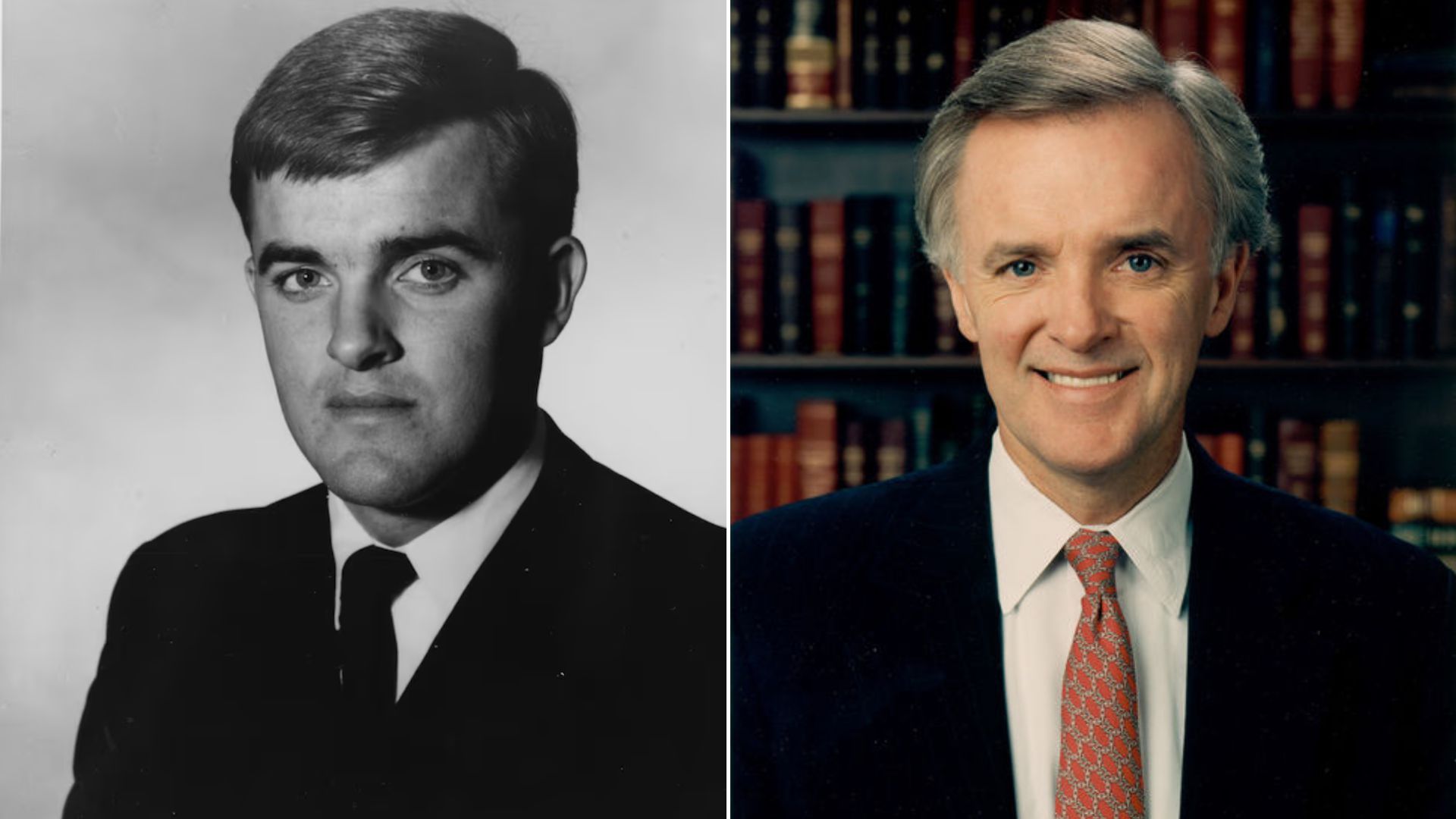
Kerrey returned to Nebraska and stepped into politics.
In 1982, voters elected him governor of the state. He served from 1983 to 1987, then moved to Washington as a United States senator in 1989.
For the next twelve years, he worked on national policy, defense issues, and veterans’ affairs.
Kerrey’s life also expanded beyond politics. In 2001, he married writer Sarah Paley. The couple later had a son, Henry.
That same year, he began a new chapter in academia. Kerrey served as president of The New School in New York City from 2001 to 2010. He also served on the 9/11 Commission and published a memoir in 2002 titled When I Was a Young Man: A Memoir.
In 2012, Kerrey briefly returned to the political arena, running again for his old Senate seat. He did not win the race.
Even so, he remained active in business and public life, serving on corporate boards and advisory groups. In October 2022, he was listed as chairman of Tenet Healthcare Corporation.
A Name Carried to Sea
More than half a century after that night on Hon Tre Island, the Navy chose to honor Kerrey in steel.
In January 2025, Secretary of the Navy Carlos Del Toro announced that a future guided-missile destroyer would bear his name.
The USS Robert Kerrey (DDG-146) will join the Arleigh Burke-class destroyer fleet with advanced radar and multi-mission capabilities. Construction continues as of 2026, with commissioning expected later in the decade.
It will be the first Navy ship named for Kerrey.
And one of the few named for a Navy SEAL.
The Long Echo of One Night
The raid on Hon Tre Island remains one of the most notable SEAL operations of the Vietnam War. Only three Vietnam-era SEAL actions earned the Medal of Honor.
Kerrey’s story captures the brutal reality of special warfare. Small teams. High risk. Missions that can shift in seconds.
Yet it also shows something else.
Leadership under fire.
A wounded officer refusing evacuation. A commander directing the fight while dragging his men to safety.
On March 14, 1969, the outcome of that mission hung in the balance.
Kerrey tipped it the other way.








COMMENTS