

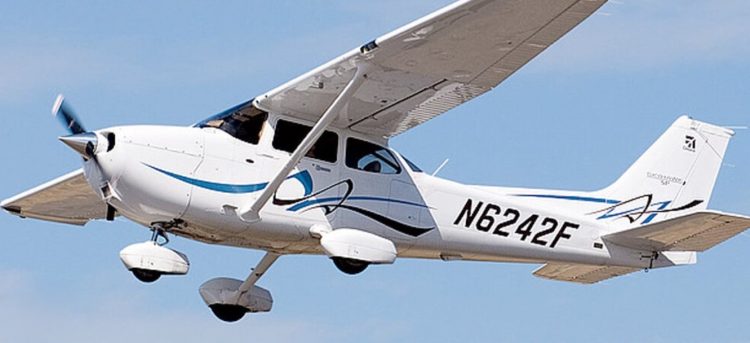
In an uncontrolled field such as Marana, it is vital to remember that the pilot-in-command (PIC) is responsible for maintaining a safe distance from other aircraft and ensuring that the flight is conducted according to FAA regulations. These rules include minimum visibility requirements, safe altitude levels, and right-of-way procedures to prevent collisions.
As a matter of fact, the PIC is always responsible for maintaining a safe distance from other aircraft, regardless of the airfield type or air traffic control situation. This responsibility is a fundamental aspect of the PIC’s role and authority.
Since uncontrolled airports do not have an active control tower, they rely heavily on pilot communication and strict adherence to safety protocols. This requires pilots to remain extra vigilant, communicate clearly, and coordinate their movements with other aircraft to ensure safe operations. The absence of air traffic controllers places greater responsibility on pilots to monitor their surroundings and follow established flight procedures to avoid accidents like the one that occurred at Marana.
A Grim Pattern of Recent Accidents
This tragedy marks the fifth aviation incident in North America since January 29, 2025, underscoring a concerning pattern of accidents in a relatively short span. Notably:
January 29, 2025: A catastrophic mid-air collision over the Potomac River near Washington, D.C., involving a U.S. Army Black Hawk helicopter and an American Airlines regional jet resulted in the loss of all 67 individuals aboard both aircraft.
January 31, 2025: A medical transport jet crashed in Philadelphia, leaving no survivors.
February 10, 2025: A private jet owned by Mötley Crüe singer Vince Neil collided with a parked aircraft at Scottsdale Airport in Arizona. The crash resulted in one fatality and multiple injuries.
February 17, 2025: A Delta Air Lines regional jet overturned upon landing at Toronto Pearson International Airport, injuring 18 individuals, including a child.
These incidents have collectively heightened public concern regarding aviation safety and have prompted calls for thorough investigations and the implementation of enhanced safety measures.
It’s important to remember that commercial air travel remains the safest mode of transportation despite these recent tragedies. Only 0.01 deaths occur per 100 million miles traveled by air compared to 1.27 deaths per 100 million miles traveled by car in the US. Statistically, that makes your drive to the airport about 127 times more dangerous than the flight you are about to board.
The Road Ahead
As the NTSB and FAA continue their meticulous examination of the Marana collision, the aviation community awaits their findings to understand the root causes and to develop strategies aimed at preventing future tragedies. In the interim, this incident serves as a poignant reminder of the critical importance of stringent safety protocols, effective communication, and unwavering vigilance in the skies.
Our thoughts and prayers are with the families and loved ones of those who perished in this tragic event.








COMMENTS