

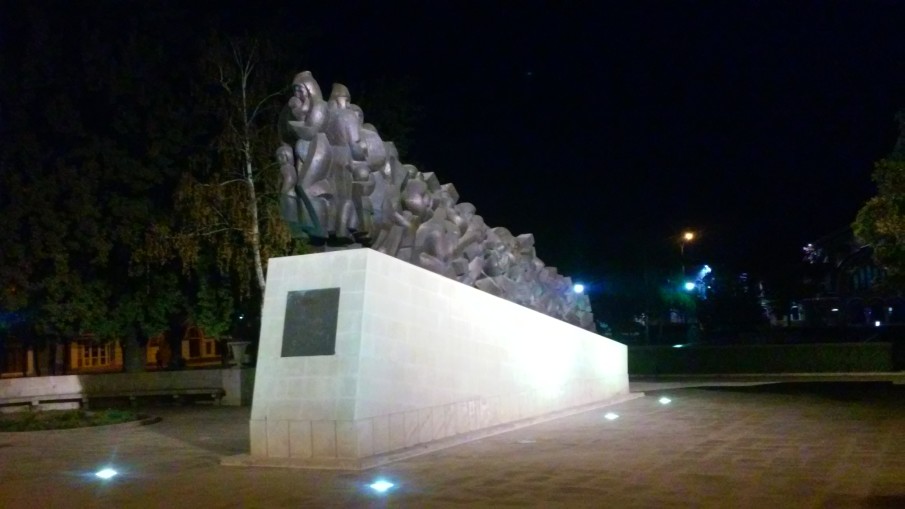
Two cigarettes in the rain later, a man appeared and introduced himself as Sasha, and he explained that he would show me to my apartment. On paranoia alert orange, I collected my kit and followed him down the block. The local time was now 01:20. We made our way around to the back of a typical Soviet-style apartment block and up to the 5th floor on an elevator you put someone in when you want to kill them. We got into the apartment and just out of instinct, I demanded a different place to stay.
After a few phone calls, he obliged and placed me one floor up, but now demanded that my entire stay be paid for upfront, in cash, with an additional 50 euro in cash as a security deposit. On a notepad adorned with the red star and letterhead of the Party of Socialists of the Republic of Moldova (PSRM), he wrote me a receipt for the 50 euros and gave me his contact information in case something came up. I asked for a place to get a coffee immediately, and he told me to wait.
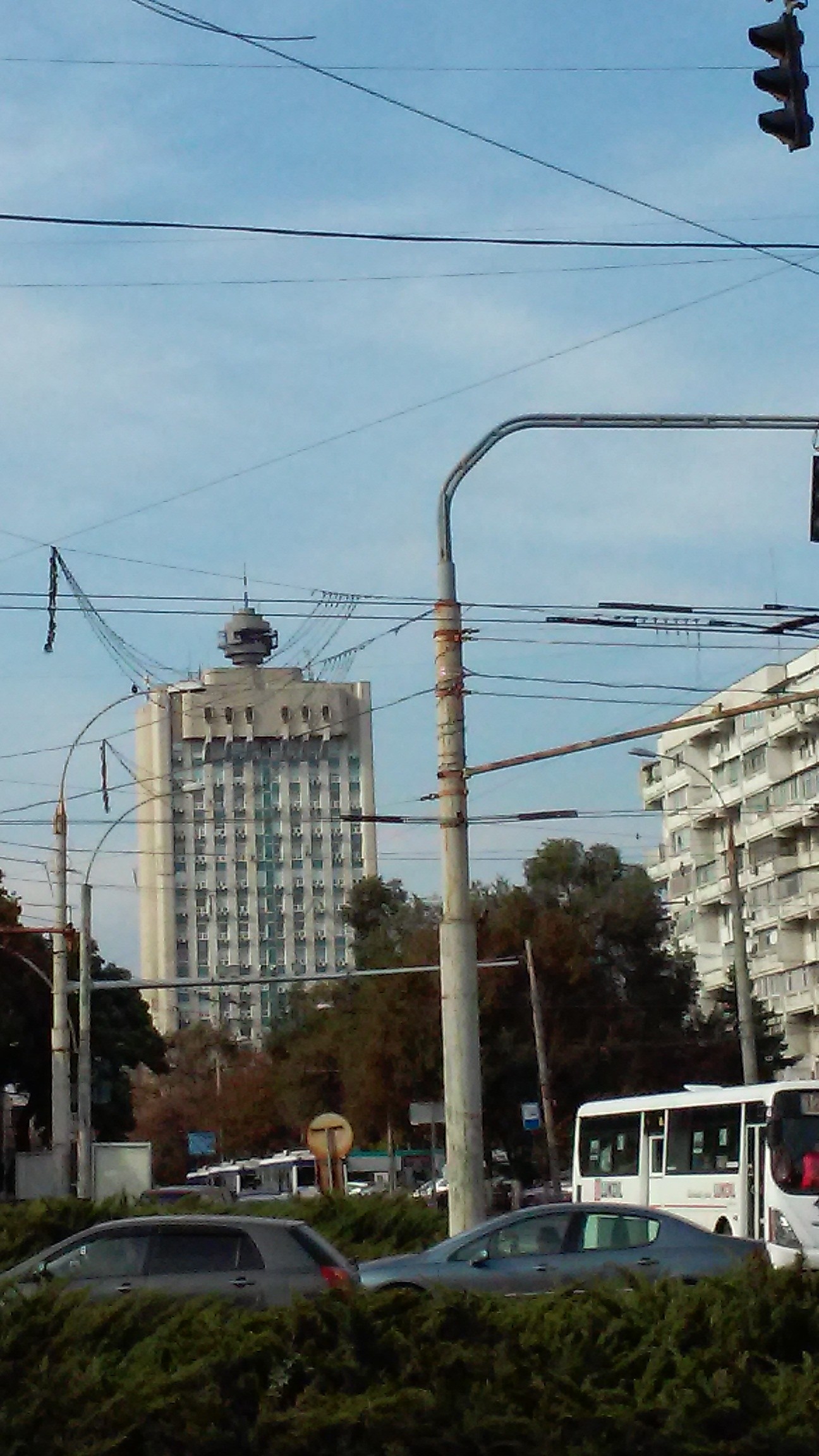
When Sasha came back with two strong coffees, we began to talk in the nearly unfurnished apartment. Our voices echoed off the barren walls amidst the eerie stillness of the capital city at night. He said, “My friend, what brings you to our home?”
I said, “I don’t know, just thought I would check things out for myself here.”
He looked at me and pulled out his PSRM notepad again and began tapping it with his pen.
“Where are you from? Britain?”
I laughed, “No, I am an American.”
He stopped tapping and said, “We don’t have too many Americans here. This is a good thing.”
Taking a drink of coffee to hide my confusion from the socialist, I then replied, “Why?”
He was excited by my inquiry and started on about national markets and new horizons, basic socialist dogma, and then he got to his job. He started tapping his notepad again and spoke. “You know I just came home. I’ve spent many years in Moscow doing the same thing.”
I had to ask, “What is the same thing?”
He quickly replied, “This, the same thing. Managing apartments. But I’m new here in Chișinău; you’re my first job. Thank you. I’m so happy that you’re American, too. I’ve never met an American. I really want to visit one day. Tell me, where are you from in America?”
I replied, “I’m from Cincinnati, and it’s a nice town. You should visit if you’re ever in America.”
Possibly sensing that he was coming off as a bit excited, he began to excuse himself. I gave him a dollar coin, one of those with Sacagawea on it, and thanked him for his help. It was now 04:00.
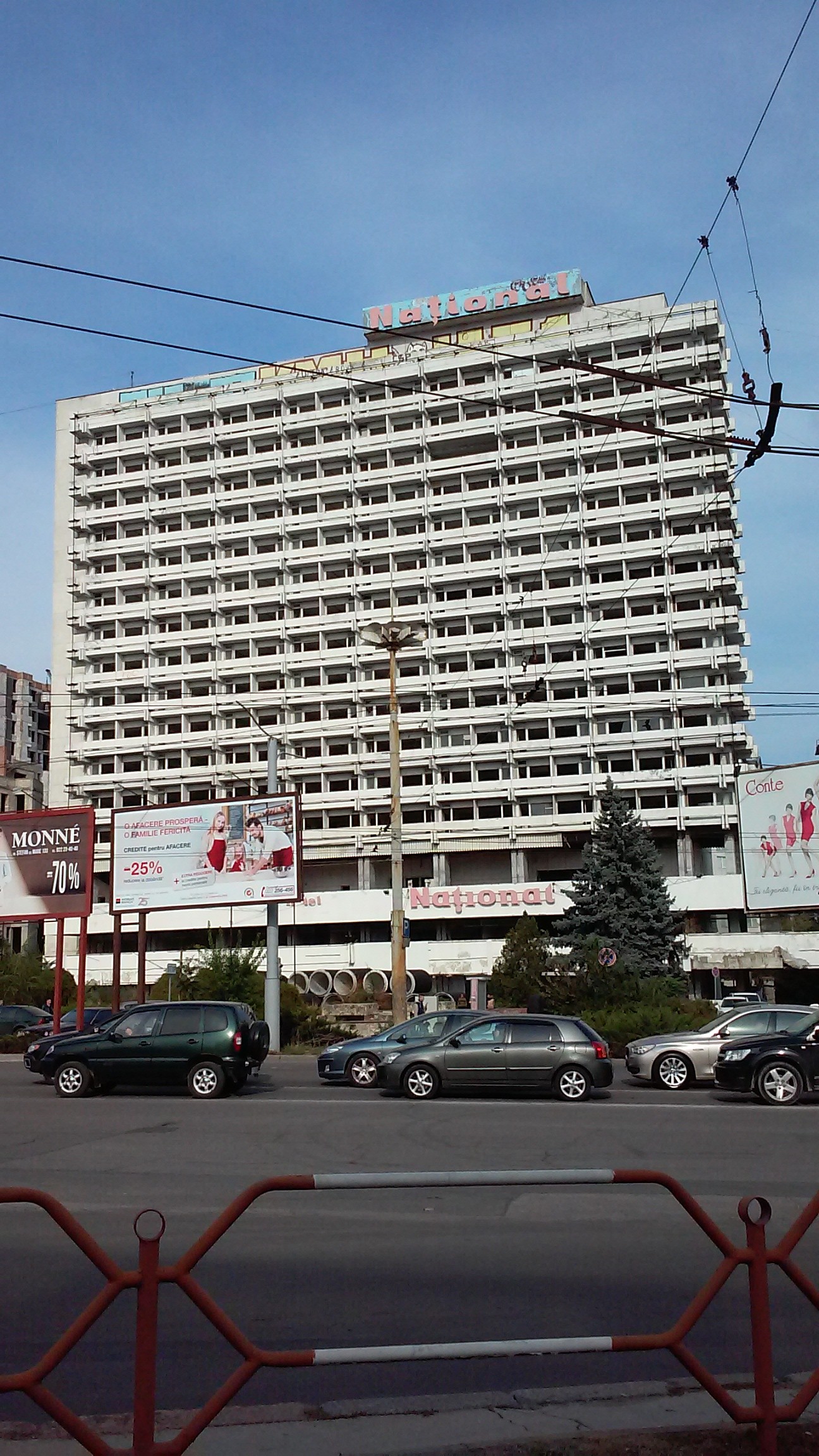
The next morning, I was on the phone and emailing everyone I could in order to get a bead on what the hell was going on. Of course I got a lot of, “I don’t know.” I noted a clear presence of uniformed soldiers around my building, and me whenever I left the apartment. They weren’t directly confronting me, but they stayed around 50 meters from me at all times as I made my way around Chișinău, pressing for information. It wasn’t until I broke out my camera that someone actually approached me. I began taking very deliberate midday pictures of a defunct hotel when a man came up from my six and said in very clear English, “No pictures.” This was a rule that changed during my time there, but for my first few days, there were no pictures.
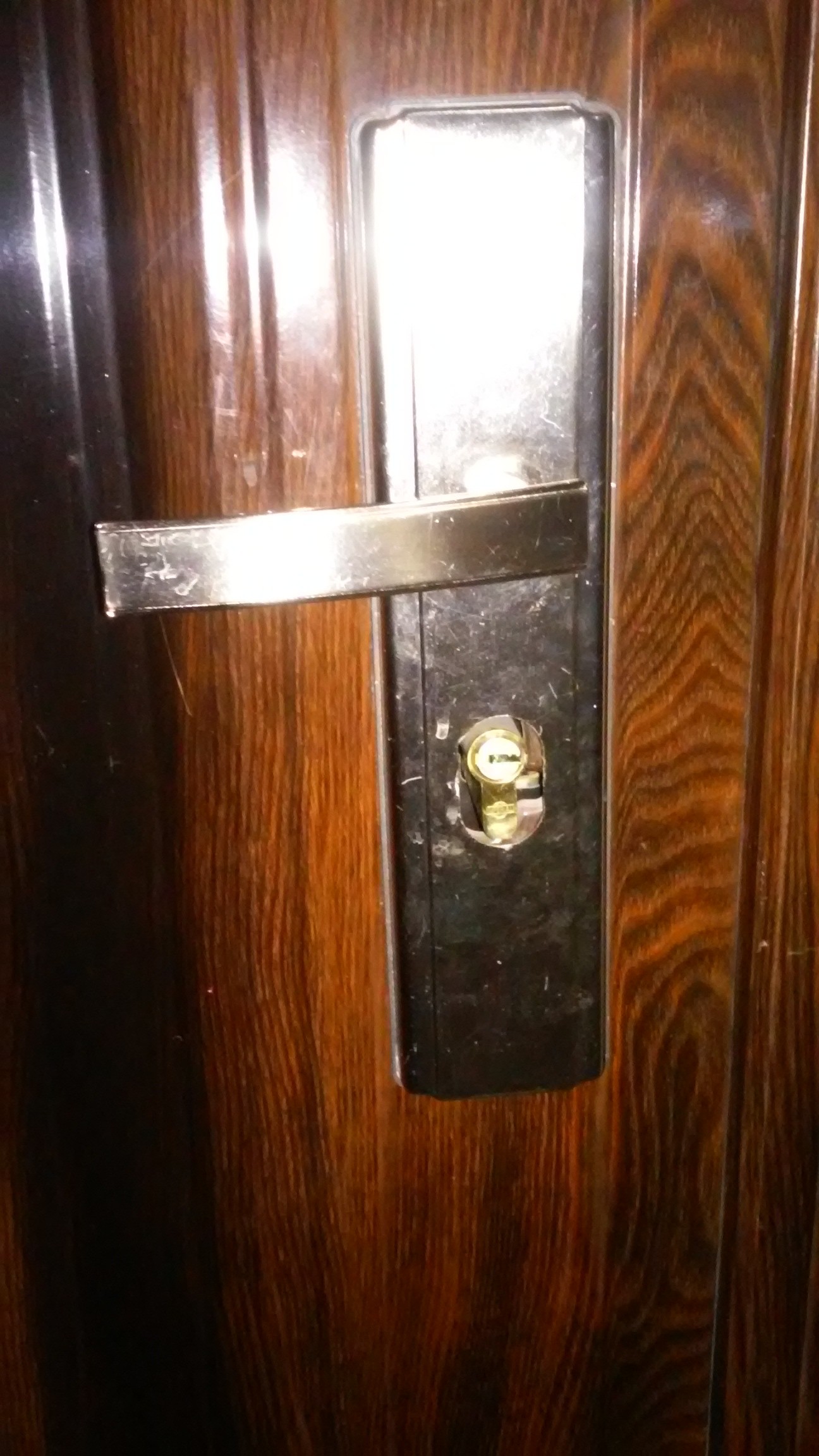
One of the reasons I believe they changed this rule was the very deliberate installation of surveillance equipment in my apartment. I don’t think of myself as paranoid, but as a cautious man who does many things in order to detect if my room has been tampered with. When I returned to my room, the key face from the front door had been removed, but at least it locked again.
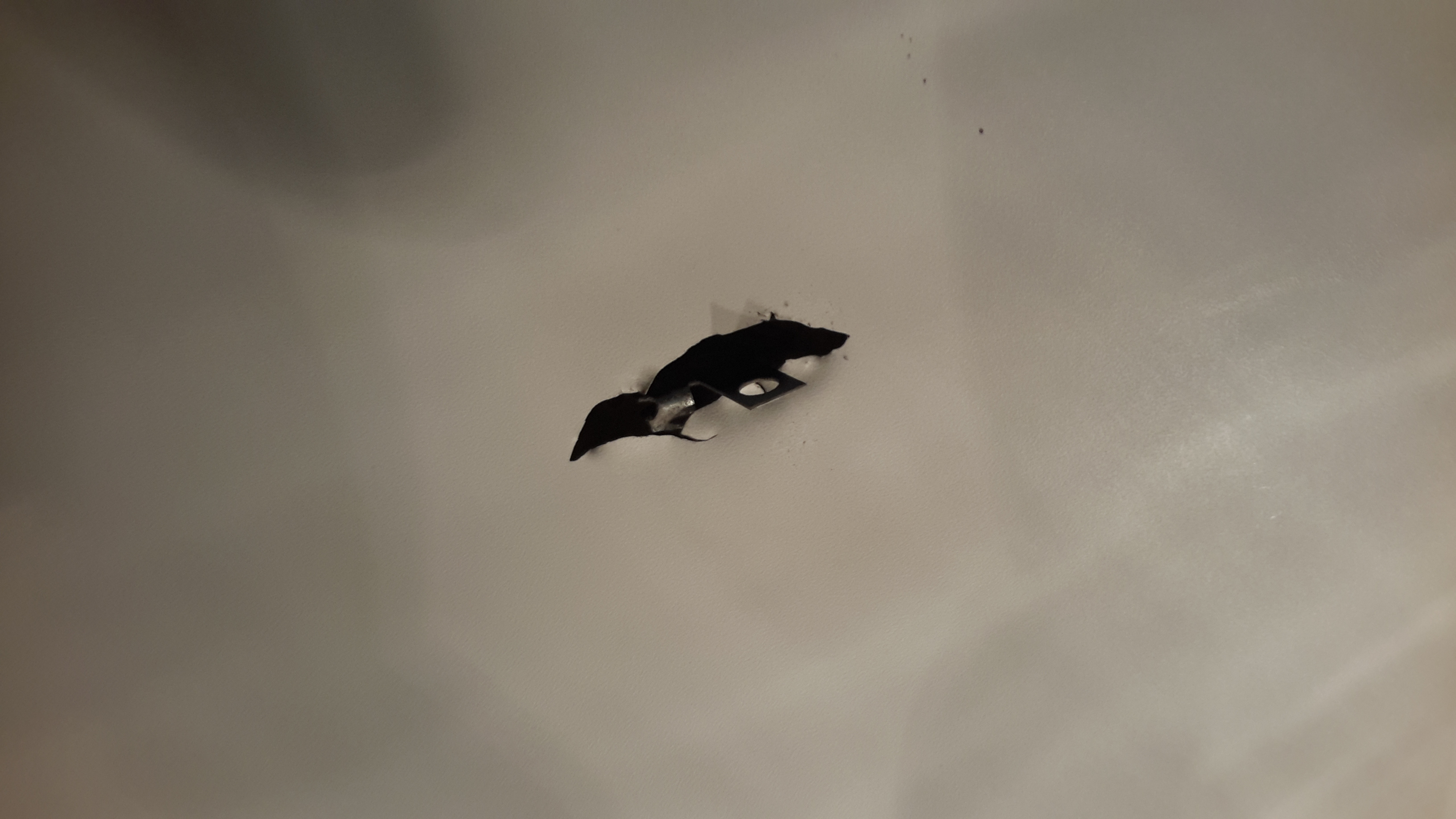
Once inside, in the middle of the room, I noticed a hole in the ceiling about 12 inches from the ceiling lamp. There was a freshly cut hole just big enough for a camera and listening device. That night I went to sleep after barricading the door, leaving the lights and radio on, and arming myself with my pocketknife and multi-tool. I figured if I had to go down fighting some communist, that’s the way I’d want to go. I woke up after a few hours and looked out the window, cleared the door, and scanned the hallway before making my way to a random place for breakfast.
When I got to the front door, it was no longer clear. On the ground in front of me was a man in his ’50s. He was broken, bloody, and beaten badly. All of his clothes were ripped and he was cradling himself like a child as he screamed out in pain. I reached over to assist, but he waved me away. Two locals speaking Russian appeared. He also swatted at them as they tried to help. I then dialed 112, the local equivalent of 911 on my phone.
The call didn’t go through. I then called Sasha, the apartment man. No answer. I sent a text explaining that there was a beaten man on my front door. A few moments later, an ambulance arrived and took him away.
I spent the day being followed around as usual, making my way to the various government ministries to get screwed around and told, “I don’t know.” But at the Ministry of Defense I met Yuri, a desk bureaucrat. Yuri said if I met him at the restaurant Armeansckii Dvor, he would tell me everything I needed to know.
I met Yuri that night, and what a slob of a man. He groaned about his position and the government, and when I asked him for more information, he asked for another drink. He drank and ate the equivalent of 50 American dollars worth of bar goodies and told me nothing more than I already assumed. He did promise a connection that would get me into Transnistria, no questions asked. On that he did deliver.
As I returned to my apartment, I did not notice my standard uniformed guard force was nowhere to be found. I traveled everywhere on foot out of paranoia and to avoid arguing price with every taxi driver. The disappearance of the uniformed soldiers meant one of three things to me: They were coming and wanted no uniforms around when they did it, they left to arrest Yuri, or they figured out that I wasn’t a threat to them.
I then thought to myself that I should have written up a will, but then I remembered that I am extremely poor and therefore I have nothing to leave behind. I contacted Jack and the gang at SOFREP to let them know what was happening. I was reminded that I signed a waiver, and I assumed that Jack Murphy already had intellectual property rights to my media. Damn, I thought to myself, I’m worth more dead than alive, and my boss is the only person who can profit. I’m fucked.
The next day was different. Completely different. I met with the contact promised by Yuri, but she claimed she didn’t know him. She was, in fact, the kindest and most helpful person I met in Moldova. She didn’t speak Romanian, only Russian, and translated all of my requests directly. She also snuck me into Transnistria via train, arranged a contact with a car in Tiraspol, and helped me at the border on the way out when we were almost detained by Moldovan officials who were perplexed as to why we didn’t have visas for Transnistria. She also guided me around Chișinău when we returned to Moldova, and ostensibly looked to help me make government contacts.
None of those contacts ever panned out. She would play me along, saying there was a meeting set up with the officers who worked with the FBI. Then suddenly there would be a complication. This is something that continued, but I kept up with her and conducted my own research, which often ended up in dead ends. I clearly was not welcome in Moldova, and I’m sure that someone there was more than happy to shift my focus to Transnistria with the help of a pretty, English-speaking young woman.
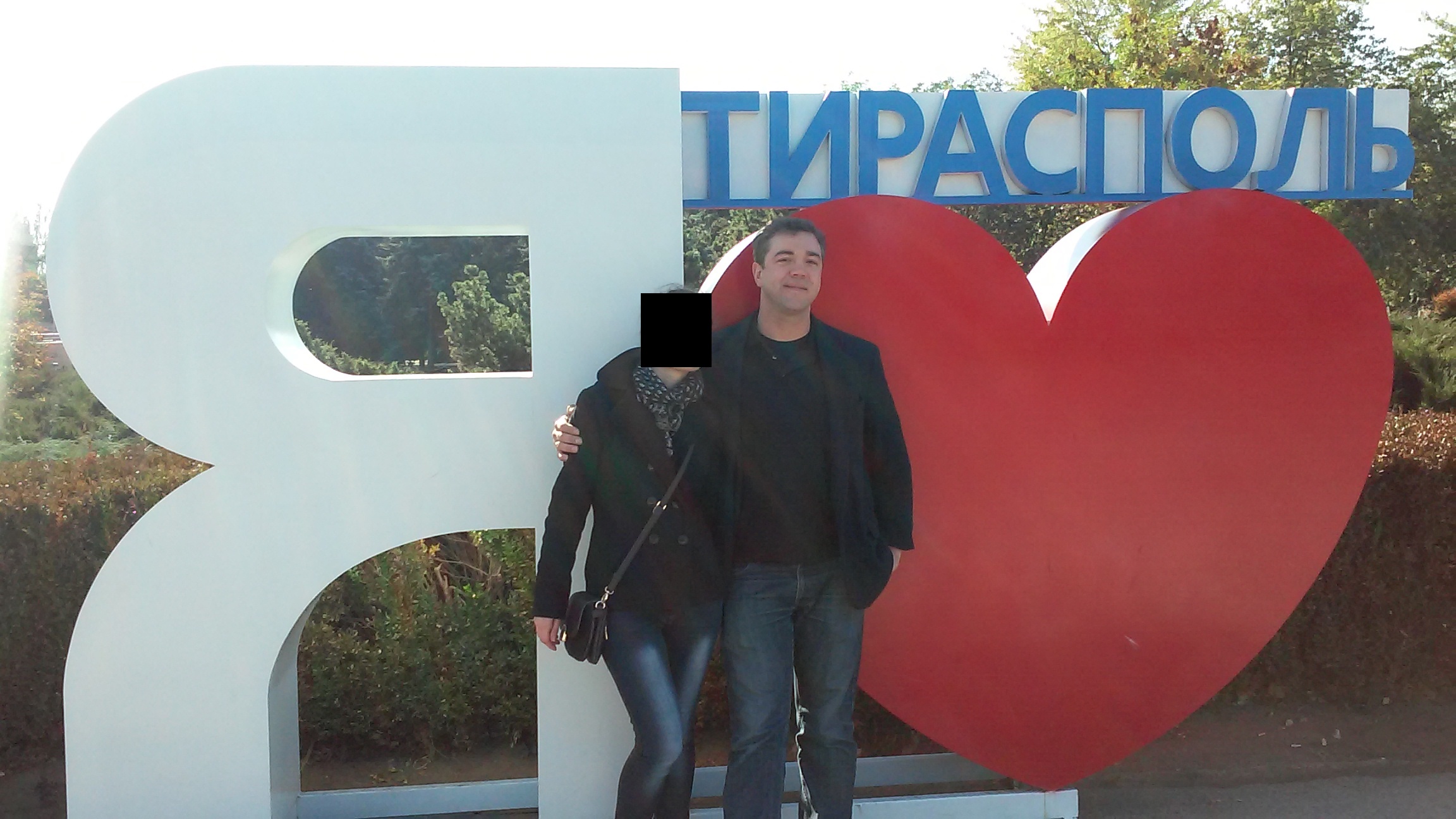
I made it out, and the harassment stopped as immediately as it started. Do I suspect a hell of a lot more at play than was on the surface? Of course I do. There are no such things as coincidences, especially under such circumstances. I’m just glad to have made it out.








COMMENTS