



The Air Force wants these components made in a step-by-step process.
They’re gonna grab some gear from the 309th Aerospace Maintenance and Regeneration Group, dust it off, and upgrade it to B-52/LRSO BWIE specs.
It’s not just about saving a few bucks; it’s about being smart with what you’ve got, speeding up the whole integration gig.
The Production Requirements: Refurbishing and Upgrading
Now, pay attention to the requirements – 14 underwing units a year for four years, a bit of short-term storage before and after production.
Rotary launchers need refurbishing at a rate of nine systems annually for four years and don’t forget to upgrade the NRL and get it ready for action.

Toss in 25 nuclear rotary launcher upgrade kits over two to three years, with a side dish of depot/field installs if the Air Force feels like it.
The Air Force is swearing up and down that the tech needed for this B-52/LRSO tag team is already sitting around, sipping coffee, and waiting to get to work.
They’re moving from the design phase to fabrication and qualification – basically, putting all the pieces together and making sure they play nice.
It’s a way of saying, “Hey, we’re not reinventing the wheel here; we’re just making it spin faster.”
LRSO: The New Kid on the Block
Moving on to the star of the show – the Long-Range Standoff (LRSO) nuclear missile—Raytheon’s baby, designed to put the AGM-86B Air-Launched Cruise Missile out to pasture.
They did a little dance in March 2023 with a critical design review and, before that, a few successful flight tests in 2022.
The LRSO is the cool kid on the block, set to change the game for the US bomber fleet.
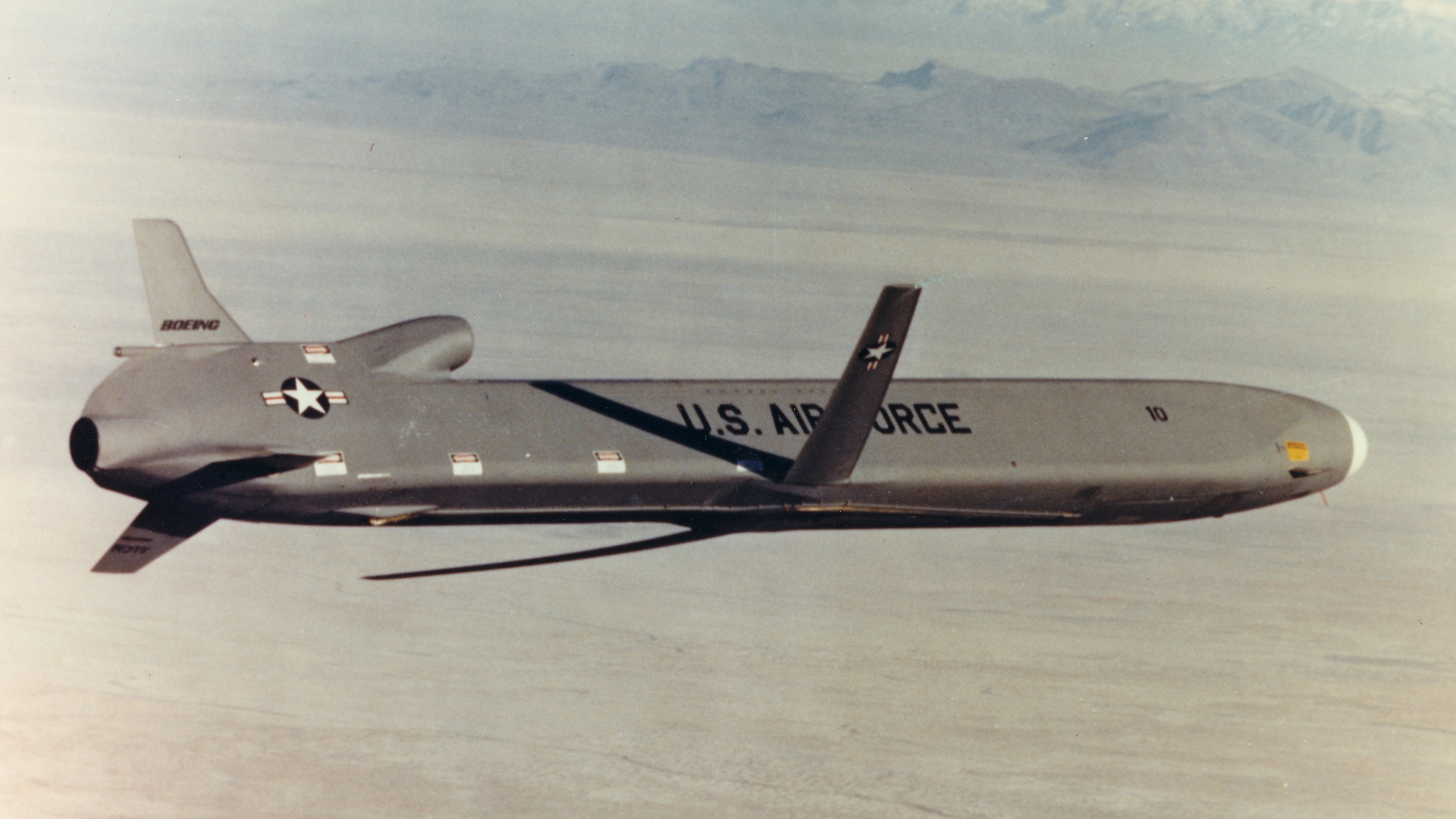
Production will begin in 2027, and this missile has a range of more than 1,500 miles.
That’s some serious reach, giving military planners more flexibility than a yoga instructor.
They’re aiming for 1,020 of these missiles, plus 67 for testing, with the B-52 and the B-21 Raider bomber waiting in the wings to launch them.
Integrating LRSO onto the B-52H
In the grand finale, the integration of the LRSO onto the B-52H Stratofortress is a big deal for the Air Force.
It’s their way of saying, “Look, we’re not stuck in the past. We’re keeping our old beasts relevant with some shiny new teeth.”
The Bomber Weapon Interface Equipment is the key to unlocking that potential, making sure the B-52 can drop LRSOs like it’s throwing confetti at a parade.
As the Air Force strides into the future of strategic deterrence, this B-52/LRSO duo is their way of telling the world, “We’re still in the game, and we’ve got the moves to prove it.”
It’s not just about looking tough; it’s about keeping a credible and robust nuclear deterrent capability in the playbook.
So, buckle up, folks, the B-52’s getting a makeover, and the LRSO is its new favorite accessory.








COMMENTS