

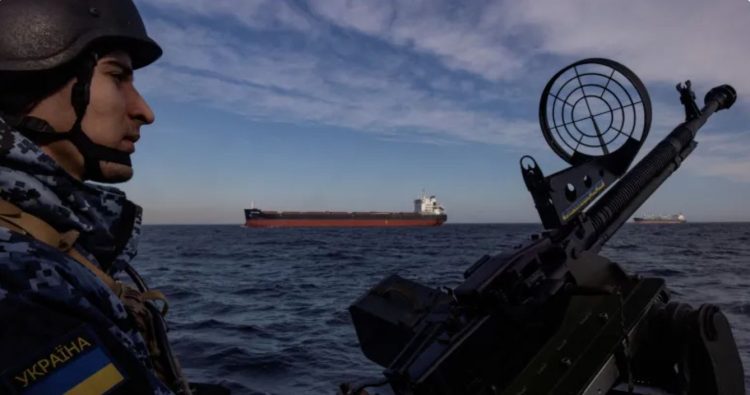
Russia has made its cooperation conditional, insisting that certain Western sanctions be lifted—particularly those affecting its banks and access to agricultural markets. Ukrainian President Volodymyr Zelensky responded with cautious optimism. He said Ukraine is ready to comply with the agreement but questioned whether Russia would do the same.
An additional wrinkle came from President Donald Trump, whose administration helped broker the deal. According to multiple reports and as reported earlier in SOFREP. Trump suggested to Zelensky that the United States could take ownership of Ukrainian power plants to ensure their protection—a controversial idea that has raised concerns about sovereignty and long-term control of Ukraine’s energy sector.
Though the agreement on energy infrastructure is a potentially important step toward de-escalation, it’s already showing signs of strain. The swift accusations of violations reveal just how fragile the situation remains. As both sides continue to clash and conditions remain unresolved, the hope for a stable ceasefire—let alone lasting peace—remains uncertain.
Agricultural Exports
The recent peace talks in Riyadh have resulted in a notable development concerning Russia’s agricultural exports. As part of broader negotiations to ease tensions in the Russia-Ukraine conflict, the United States has agreed to help Russia improve its access to global markets for agricultural and fertilizer exports. This includes reducing the high maritime insurance costs that have made shipping difficult, improving access to international ports and payment systems, and helping reintegrate Russia’s exports into global trade.
Russia, in turn, has laid out several conditions for fully committing to the agreement. These include lifting sanctions on Rosselkhozbank, Russia’s state agricultural bank, and other financial institutions involved in agricultural trade. Moscow also wants to see the restoration of their connections to the SWIFT banking system, along with the removal of sanctions targeting Russian shipping companies, insurers, and firms tied to food and fertilizer production. Additionally, Russia has demanded the lifting of restrictions on the supply of agricultural machinery.
Despite the war and sanctions, Russia’s agricultural sector has remained strong. In 2023, the country exported a record $45 billion worth of grain and fertilizers. Russia continues to be the world’s leading wheat exporter, and this season, it expects to ship around 40 million tons to markets around the globe. However, the Kremlin has also imposed export quotas and higher duties to protect domestic prices and control inflation at home.
Looking ahead, Russia’s long-term goal is to increase its agricultural exports by 50% by the year 2030. The country is particularly focused on expanding into new markets in Asia, Africa, and Latin America, where demand for food imports continues to rise.
While the recent agreement is seen as a constructive step for global food security, experts believe it may not drastically change Russia’s export volumes in the short term. Still, it aligns with President Vladimir Putin’s ambition to position Russia as a dominant agricultural power and could provide a valuable boost to the country’s economy over time by bringing in much-needed foreign currency.
Diplomatic Process and Challenges
The negotiations in Riyadh were conducted through separate meetings between U.S. officials and their Russian and Ukrainian counterparts. This approach allowed for focused discussions on specific issues while navigating the complex dynamics between the conflicting parties.
President Donald Trump’s administration has taken a central role in mediating these talks, with the goal of ending what they deem an unacceptable level of devastation and casualties. The U.S. also aims to alleviate the financial burden on American taxpayers who have been funding Ukraine’s defense efforts.
However, significant challenges remain. The implementation timeline for these agreements is still unclear, and skepticism persists regarding the parties’ commitment to adhering to the accords. Ukrainian President Volodymyr Zelensky, while characterizing the partial ceasefire as “the right steps,” expressed caution about Moscow’s willingness to comply.
Monitoring and Verification
To ensure the effectiveness of these agreements, discussions have included proposals for third-party monitoring. Zelensky suggested that a European or Turkish entity could oversee the maritime ceasefire while a Middle Eastern party could monitor the suspension of energy strikes. The establishment of robust verification mechanisms will be crucial for building trust and ensuring compliance from all parties.
Broader Implications and Next Steps
While these agreements represent significant progress, they are just initial steps toward a comprehensive peace settlement. The conflict has persisted for over three years, and deep-seated issues remain unresolved.
Russia continues to maintain stringent demands, including territorial claims and guarantees against Ukraine joining NATO. The Ukrainian administration has consistently rejected these conditions, accusing Russian President Vladimir Putin of employing delaying tactics.
The U.S. negotiators, led by Steve Witkoff (President Trump’s personal envoy to Putin), are pushing for a 30-day comprehensive ceasefire to allow for more extensive peace negotiations. However, bridging the gap between the parties’ positions remains a formidable challenge.
International Reactions and Involvement
The talks in Riyadh have drawn attention from the international community, with European allies closely monitoring developments. While not directly involved in these negotiations, European nations have a vested interest in the outcome, given the conflict’s impact on regional security and economic stability.
The role of Saudi Arabia as the host nation for these talks underscores the global nature of the conflict and the potential for broader diplomatic engagement in seeking a resolution.
Conclusion: A Delicate Path Forward
The agreements reached in Riyadh represent a significant diplomatic achievement and offer a glimmer of hope in the protracted Russia-Ukraine conflict. However, the path to lasting peace remains fraught with challenges. The success of these initial agreements will depend on the willingness of all parties to implement them in good faith and to build upon this momentum for more comprehensive negotiations.
As the situation evolves, the international community must remain engaged and supportive of diplomatic efforts while also maintaining pressure on both sides to adhere to their commitments. The coming weeks will be crucial in determining whether these agreements can serve as a foundation for a broader peace process or if they will join the list of unfulfilled promises in this complex and devastating conflict.








COMMENTS