


The United Kingdom, a longtime user of Tomahawks, has equipped its Astute-class submarines with these missiles, giving it formidable long-range strike capabilities.
Australia, recognizing the strategic importance of such capabilities, has made significant strides in acquiring Tomahawks, with a $985 million deal involving the supply of 220 Tomahawk missiles for use on Hobart-class destroyers.
Japan also recently entered the ranks, securing a deal to purchase 400 Tomahawk missiles, which will enhance its ability to project power in the face of regional security challenges.
Other countries like the Netherlands and even Ukraine have also shown keen interest in acquiring these advanced missiles, further solidifying the global demand for US-produced long-range strike systems.
The Army Tactical Missile System (ATACMS): A Key Asset in Modern Warfare
Beyond the Tomahawk, the Army Tactical Missile System (ATACMS) represents another key component in the American missile export strategy.
A surface-to-surface ballistic missile, the ATACMS has a range of up to 300 kilometers (186 miles) and can be launched from multiple platforms, including the M270 Multiple Launch Rocket System (MLRS) and the M142 High Mobility Artillery Rocket System (HIMARS).
With its accuracy and destructive power, ATACMS has become a key tool for US allies, offering them a potent deterrent and an option for rapid response in high-intensity conflicts.
One of the most high-profile uses of ATACMS has been in Ukraine, where the US secretly supplied these missiles in 2024.
Ukraine used ATACMS to launch devastating strikes on Russian military targets, including critical infrastructure in Crimea. This marked a significant escalation in Ukraine’s ability to conduct long-range, high-precision strikes, highlighting the impact of advanced US missile systems in modern conflict.
Expanding the Arsenal: More Advanced Missile Systems
While the Tomahawk and ATACMS are the most well-known US missile systems, they are by no means the only ones.
The US has developed and exported a variety of other advanced long-range land-attack missiles. These include the Precision Strike Missile (PrSM) and the Joint Air-to-Surface Standoff Missile (JASSM), both of which are designed to offer even more precision and flexibility for modern military operations.
By equipping allies with these systems, the US ensures that its partners can maintain a high level of military readiness, allowing them to project power and deter potential adversaries.
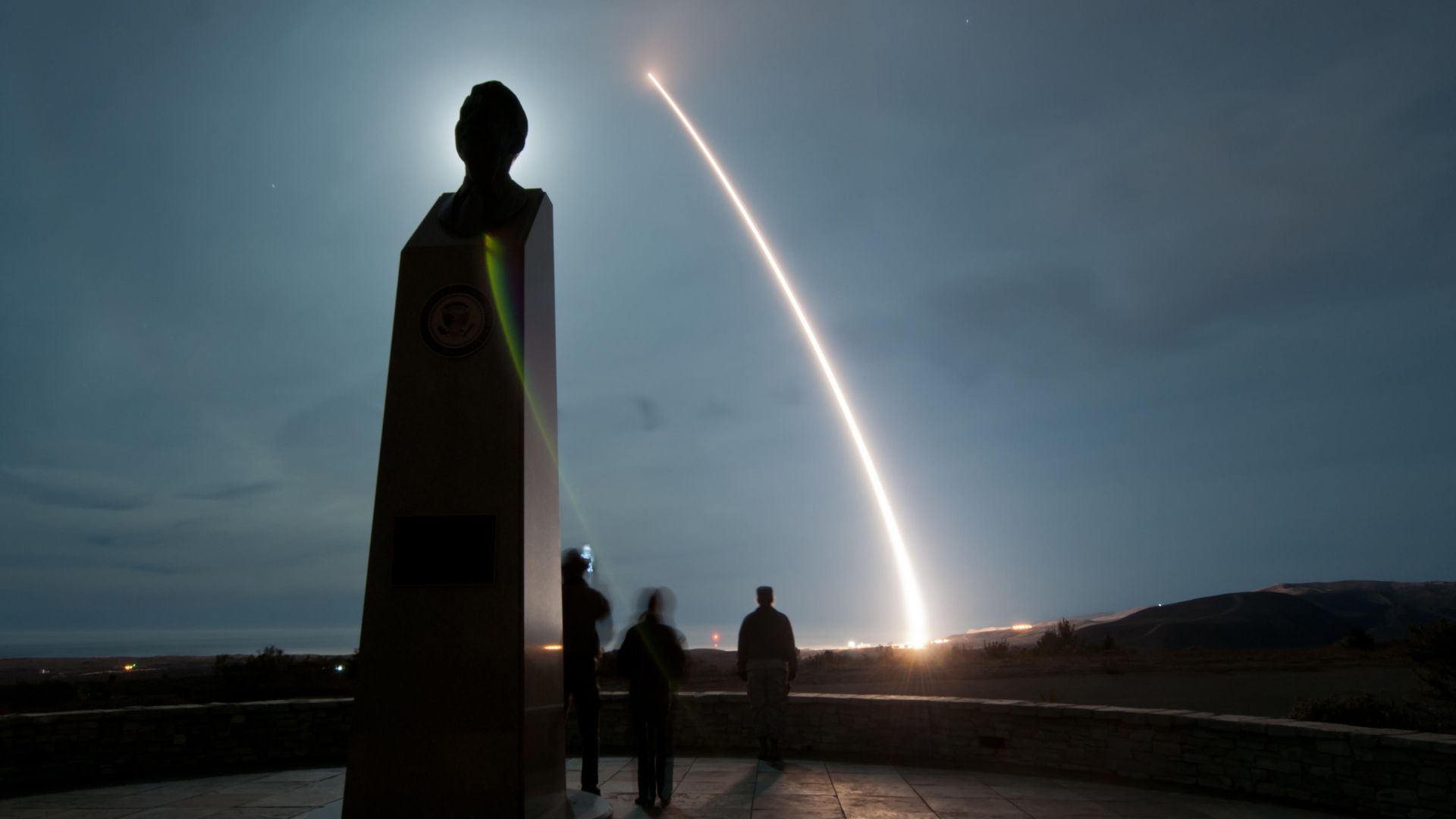
Moreover, the LGM-30G Minuteman III, the only active land-based intercontinental ballistic missile (ICBM) in US service, serves as the backbone of the nation’s nuclear deterrence. Although it has never been exported, it plays a crucial role in shaping the US defense strategy and ensuring that the country maintains its strategic advantage in nuclear deterrence.
The US and the Global Arms Market
The SIPRI report also sheds light on the broader context of the US arms export market.
As of 2024, the US accounts for 43% of global arms exports—more than four times that of France, the second-largest supplier. This dominance is particularly evident in the export of combat aircraft, with the US maintaining a commanding lead in the sale of fighter jets and helicopters.
The US is also the primary supplier of missile systems, underscoring its position as the supplier of choice for nations seeking to enhance their military capabilities.
This global dominance in arms sales is not just a result of military superiority but also reflects the deep diplomatic ties the US maintains with its allies. From Europe to Asia, many countries rely on American-made missile systems to bolster their defense and deter regional threats.
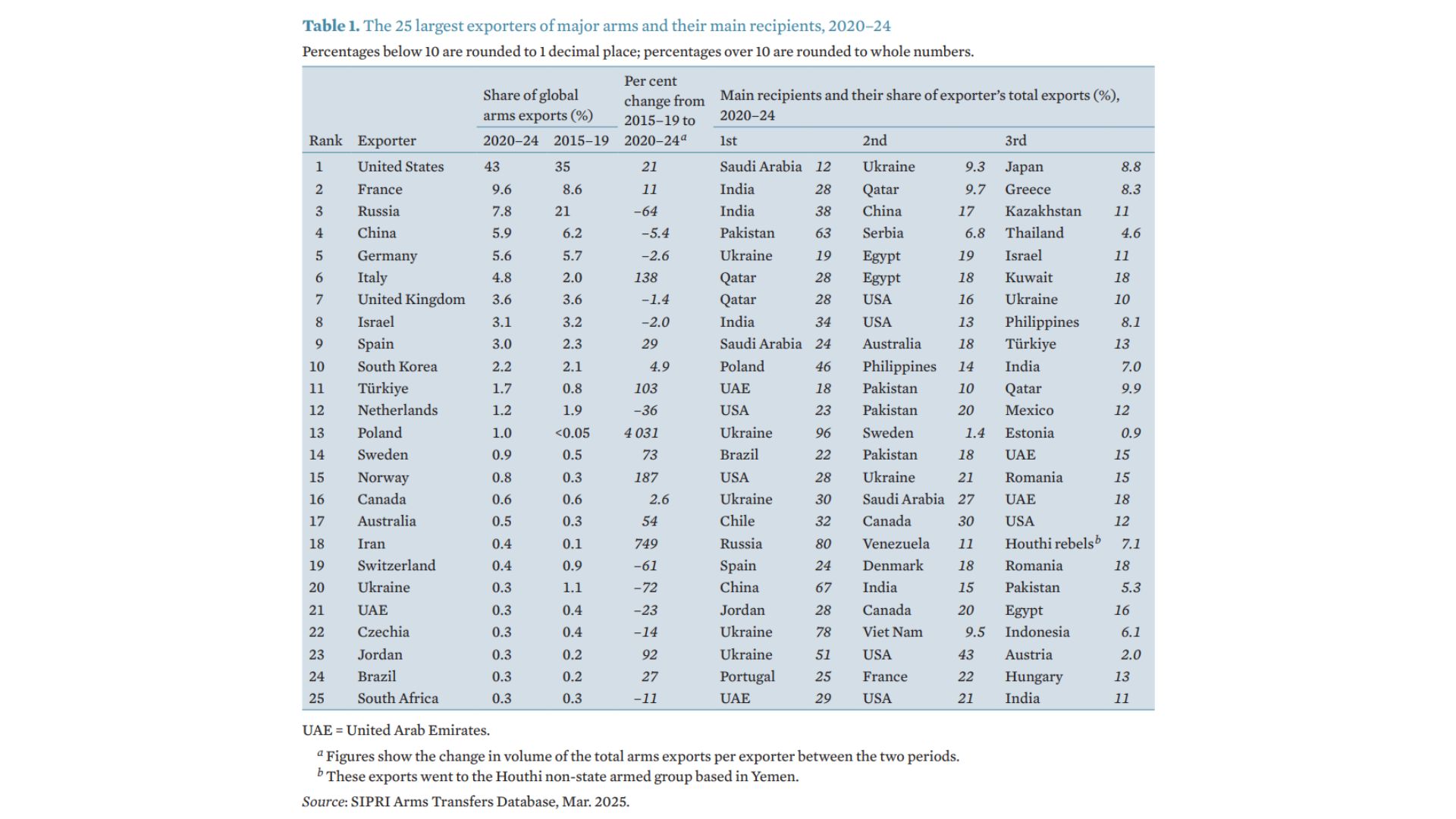
As global security challenges evolve, the demand for advanced long-range strike capabilities—such as those offered by US missile systems—will only continue to grow.
The Future of Long-Range Strike Capabilities
Looking ahead, long-range land-attack cruise missiles are set to play an increasingly central role in modern warfare. These systems enable nations to achieve strategic objectives with unmatched precision and efficiency, all while reducing the risks and costs associated with manned combat operations.
As global threats grow more complex and asymmetric, the ability to strike distant targets with high precision will continue to be a vital component of national security strategies.
The US, with its advanced technological infrastructure, defense industry, and strategic partnerships, is poised to maintain its leadership in this critical area. The demand for US-produced long-range strike systems will only continue to increase, further solidifying the country’s position as the world’s top exporter of advanced military technologies.
In conclusion, the US has emerged as the undisputed leader in the global market for long-range land-attack missiles, thanks to its superior missile technology, strong alliances, and strategic vision.
As the world enters an era where precision and reach are critical to military success, the US will continue to shape the future of global defense, ensuring that its missile systems remain a key element in the arsenals of its allies around the world.








COMMENTS