

US mainland missile defense system successfully intercepts intercontinental ballistic missile in test
AI Overview
Summary is AI-generated, newsroom-reviewed.
The U.S. Ground-based Midcourse Defense System successfully intercepted an inbound missile in a recent test, marking a significant milestone for the system's capability to defend against nuclear threats from nations like North Korea and Iran. This test demonstrated the effectiveness of launching multiple interceptors, although concerns remain about the system's limited capacity against larger nuclear arsenals.
Key points from this article:
- The Ground-based Midcourse Defense System successfully intercepted a missile launched from the Reagan Test Site in the Marshall Islands during a test conducted from Vandenberg Air Force Base in California.
- How this success affects U.S. defense is highlighted by Missile Defense Agency Director Air Force Lt. Gen. Samuel Greaves, who emphasized the system's role as a credible deterrent against threats from countries like North Korea and Iran.
- Why this matters is underscored by the system's limitations, as it can only intercept a limited number of inbound nuclear missiles, making it crucial for the U.S. to rely on mutually assured destruction as a primary deterrent against larger nuclear powers like Russia.
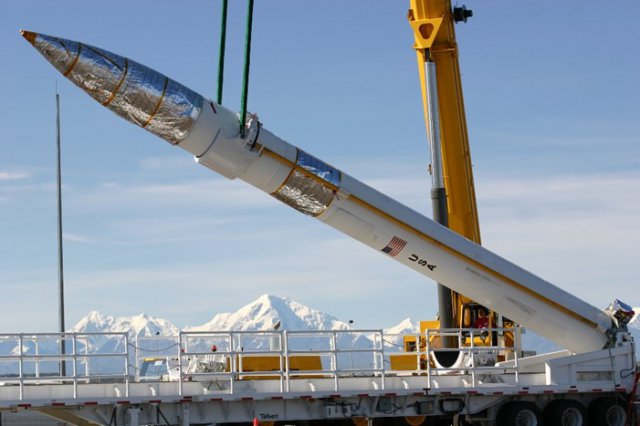
US mainland missile defense system successfully intercepts intercontinental ballistic missile in test
Alex Hollings
Speed
1x
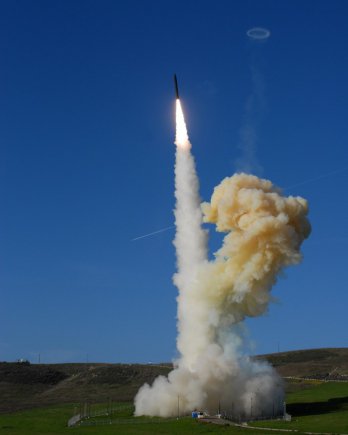
The United States’ Ground-based Midcourse Defense System has had its ups and downs over the years, but finally just showed it has what it takes to defend the country from an inbound nuclear missile launched from a nation like North Korea or Iran. In a first for the system, a salvo of two ground-based interceptors […]
Advertisement
What readers are saying
Generating a quick summary of the conversation...
This summary is AI-generated. AI can make mistakes and this summary is not a replacement for reading the comments.








COMMENTS