


While details remain classified, estimates suggest a significant increase to potentially 120 aircraft per year.
This rapid expansion poses a potential challenge to US air superiority in the region.
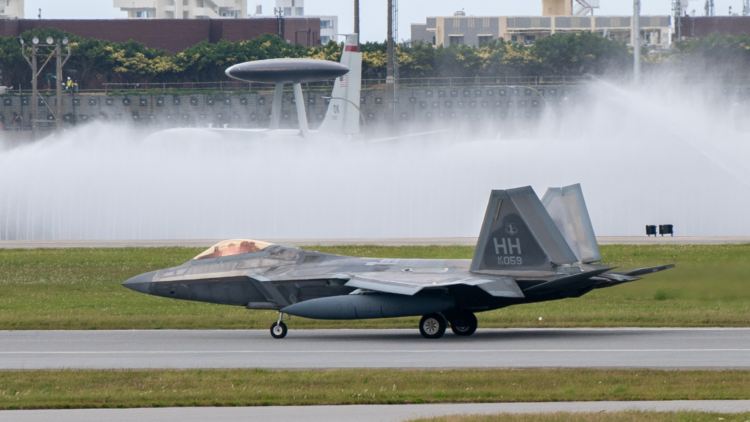
However, the F-22 Raptor remains a formidable opponent.
Its unmatched stealth capabilities and advanced avionics make it a potent weapon system.
While the future of the F-22 upgrade program is under discussion, with potential considerations for retirement or further modernization, the aircraft’s current capabilities are undeniable.
Additionally, the recent sighting of an F-22 carrying external fuel tanks with an infrared search and track (IRST) pod near the Mojave Air and Space Port suggests potential upgrades to address limitations in range and target detection.
The F-22 vs. F-35 Debate
The deployment also adds another layer to the ongoing debate surrounding the F-35 program.
While several F-35 squadrons are already stationed at Kadena, the program faces challenges with technical issues and delays.
This situation underscores the continued relevance of the F-22 in the near term, offering a proven and reliable air superiority platform.
Looking Ahead: A Multi-Faceted Approach to Air Dominance in the Indo-Pacific
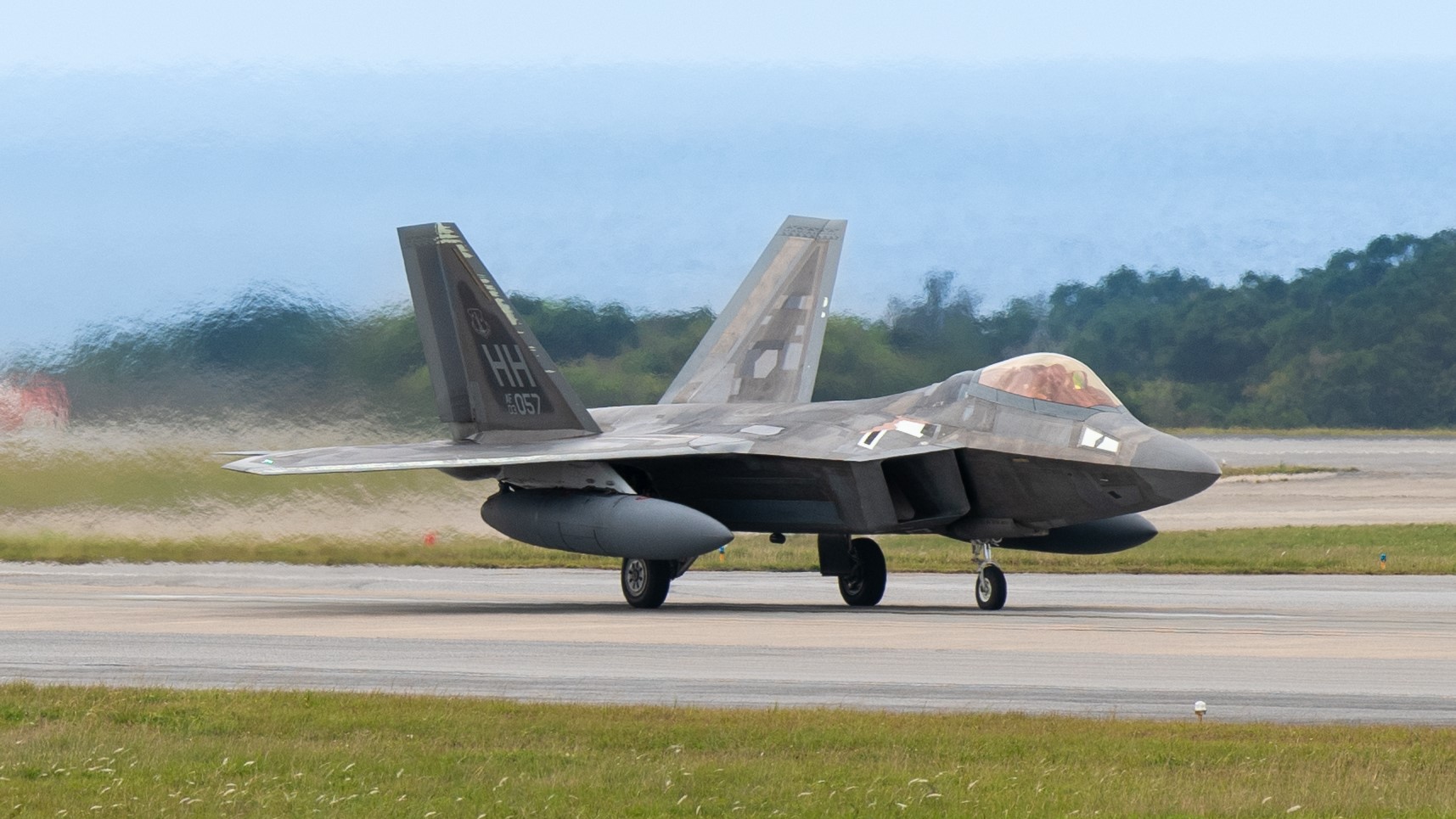
The F-22 Raptor’s return to Kadena Air Base signifies a renewed focus on American airpower in the Indo-Pacific.
It serves as both a deterrent amidst rising tensions and a bridge to the future.
While the Next Generation Air Dominance (NGAD) program promises next-generation capabilities, the F-22 remains crucial until then.
F-22 Raptor of the 19th Fighter Squadron
🎞️ https://t.co/ChPMogPtg4 👁🗨 @DVIDSHub pic.twitter.com/I49FqmwZk6
— Thanos Massias (@MassiasThanos) April 3, 2024
However, challenges exist.
Balancing F-22 and F-35 strengths, cost-effectiveness, and technological advancement are key considerations.
Continued investment in research and development (R&D) and fostering strong alliances with regional partners are essential for maintaining air superiority and regional stability in the long run.
The US must adapt its fighter strategy to navigate this complex landscape, ensuring its airpower remains a vital deterrent for years to come.








COMMENTS