

Moreover, when political pressures shape the actions of military leaders, it jeopardizes their moral authority. Our military leaders are trained to make decisions grounded in ethics and adherence to established principles outlined in the Constitution, international law, and military codes. A troubling conflict emerges between legal obligations and moral imperatives when their actions become subject to political influence. This tension could lead to a dilemma between loyalty to the country and adherence to professional ethics.
There is a historical precedent for senior leaders being sacked by the Commander-in-Chief. President Lincoln was forced to relieve the indecisive and often insubordinate General McClellan in 1862. As the commander of the Army of the Potomac, McClellan took little initiative and even less risk when facing General Lee. In our most recent past, General MacArthur was relieved by President Truman for both refusing to execute Truman’s orders and his very public disagreements with the Commander-in-Chief.
We expect all service members to be held accountable for their actions and conduct regardless of rank. Failure is a part of any military mission, and personal accountability may be due to combat ineffectiveness, personal misconduct, gross negligence, or other circumstances, but how do you defend yourself against perceptions and assumptions?
The adherence to tradition and law has ironically pushed military leaders further into the political limelight. One of the most recent targets was General Mark Milley, the former Chief of Staff of the US Army and Chairman of the Joint Chiefs of Staff. Even after being nominated by a Commander-in-Chief and vetted through the intensive nomination process, he became a political target. The 43-year veteran, with a record of distinguished service, was not prepared for the punitive actions against him for speaking out against a Commander-in-Chief, with whom he had fallen out of political favor.
The recent purge of military generals and admirals, the greatest in modern peacetime history, is dangerous if solely based on their perceived commitment to the current administration’s ideals.
Intentionally or not, these actions risk sending a message to all uniformed leaders and rank-and-file military service members that this administration will not tolerate differences of opinion. They undermine the 236 years of tradition that have served this country well since the signing of the Constitution.
“There is nothing which I dread so much as a division of the republic into two great parties, each arranged under its leader, and concerting measures in opposition to each other. This, in my humble apprehension, is to be dreaded as the greatest political evil under our Constitution.”
– John Adams
If true, this is a dangerous omen to those who we count on to protect our country and our ideals. It undermines morale and cohesion within the ranks and threatens the American people’s trust in the armed forces, ultimately endangering our men and women in uniform. Strong and healthy civil-military relations are vital to a properly functioning democracy and our military’s readiness to defend the Constitution – against all enemies, foreign and domestic.
We realize that this might seem like an arcane principle to most Americans, but it is not something we should take for granted.
The Volunteers’ Commitment
The United States Armed Forces comprises an all-volunteer force that chooses to serve based on understanding the values embodied in its oaths. This voluntary nature of military service is crucial—it reinforces that those who serve have consciously decided to uphold the highest standards. Their pledge is not to their commanders or transient political leaders but to the fundamental principles enshrined in the Constitution.
When political influences infiltrate the oath’s interpretation, it undermines this commitment’s very essence. Military members must recognize that their allegiance lies in defending democratic norms rather than pandering to influential political figures. When any president or political party can shape how our military perceives their oaths, we risk creating a dangerous precedent where loyalty is sworn not to the Constitution but to individuals.
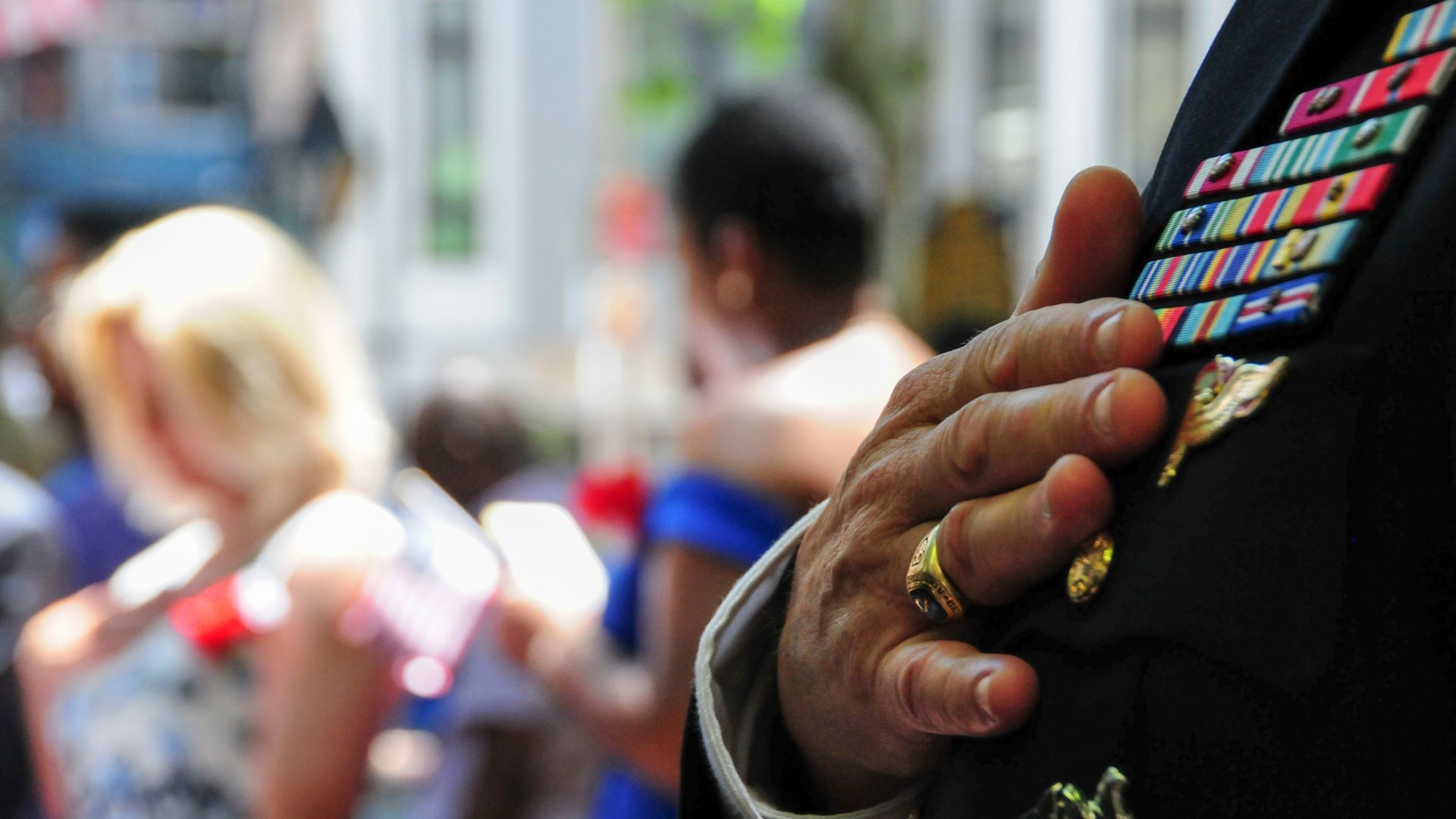
Upholding the Integrity of the Oath
To preserve the oath’s apolitical nature, we must continue cultivating and demanding a strong military culture resilient to political turmoil. Military institutions function best when they operate independently, adhering to established creeds and codes of conduct. Implementing professional military education programs that reinforce the necessity of remaining nonpartisan is vital. Training that emphasizes constitutional principles, ethics, and the duty to act autonomously from political pressures can effectively ensure the integrity of the oath is upheld.
Furthermore, military leaders must take a proactive stance in safeguarding the apolitical essence of their service. Empowering senior leaders to question orders that compromise their ethics promotes a military culture committed to the Constitution. As we recently celebrated the eighty-third anniversary of the Doolittle Raid on Tokyo in 1942 and the all-volunteer crews who made the historic mission possible – we must be reminded of the sacrifices those crews made defending our Constitution, ideals, and way of life.
“There is nothing stronger than the heart of a volunteer.”
– General James H. Doolittle
As guardians of democracy, military leaders must uphold their oaths free from political entanglement. By reaffirming their commitment to the Constitution and educating their ranks about the critical importance of remaining nonpartisan, the military can solidify its foundation amidst the shifting tides of political influence. Conversely, each elected administration must restrain itself from “purges.” Otherwise, it will face a growing security threat as each four-year election cycle ushers in politically motivated and rewarded senior military leaders.
Ultimately, the vitality of our democracy depends on our institutions’ ability to honor their oaths free from the pressures of power, safeguarding the liberties and ideals that define our nation.








COMMENTS