

From an OSINT perspective, there is no confirmed evidence of state-directed foreign mercenaries operating drones for Cambodia. Precision matters. But plausibility matters too. Thailand’s posture suggests its security services consider the scenario credible enough to prepare for, even if they would rather not discuss it publicly.
Drone warfare collapses geography. You no longer need formations or bases. You need operators, components, and a permissive environment. Cambodia’s border regions provide that. Thailand provides transit. Once those conditions exist, governments stop focusing on flags and start looking at résumés.
The Personal Intersection
Which is where I enter the frame, whether I want to or not.
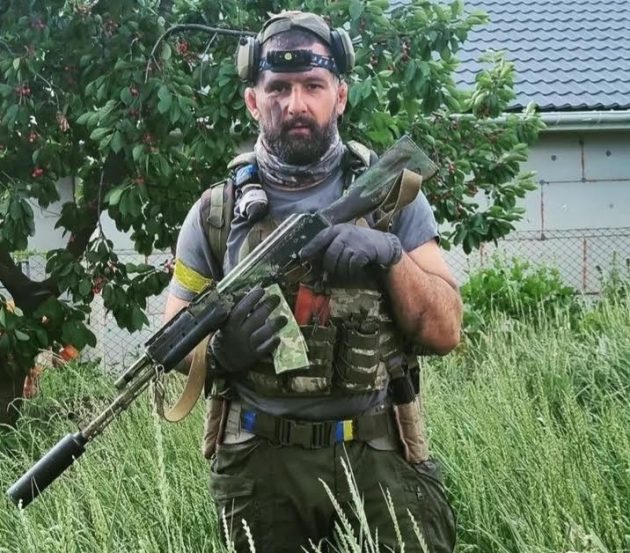
I am a foreigner in Thailand with a public history tied to Ukraine and drone warfare. I am not a mercenary. I never was. I fought as a lawful service member, and Russia sentenced me anyway. Labels, once applied, travel easily. Nuance does not.
I was supposed to go to Cambodia to deal with a visa issue. Not a choice. A requirement. Immigration law does not care about regional instability or embassy statements. You move, or you overstay, and overstaying carries its own penalties.
So I will go.
This isn’t a decision dressed up as courage. It’s compliance. Borders don’t close the way they used to. They narrow. They develop opinions. Cambodia has always been loose in the way that makes governments uncomfortable later. Thailand, right now, feels alert. Not hostile. Awake.
I don’t expect confrontation. I don’t expect accusations. That isn’t how modern security works. It collects impressions quietly. Travel history. Online footprint. Patterns inferred rather than proven.
This is the residue of war. It follows you long after you stop carrying equipment or wearing patches. Skills don’t demobilize. Experience doesn’t expire. Once you’ve been inside a conflict that rewrote the rules, every new conflict starts borrowing from it.
Crossing Anyway
The talk of foreign drone operators may fade. The denials may hold. Or something may surface later in a report no one reads outside a ministry office. That’s usually how these things resolve. Not with exposure, but with normalization. For now, I pack light. Documents squared away. No curiosities. No unnecessary explanations. Movement without ornament. The goal isn’t to disappear; it’s to pass through cleanly and return to legality.
I came to Thailand believing I had left the war behind. What I actually left was the front line. The rest follows you in quieter forms: airport procedures, edited statements, deleted posts, and the realization that even places built on leisure are now calibrating for modern conflict.
I will cross the border because I have to. I will come back because that is the arrangement. And I will keep writing because this is how wars announce themselves now, not with declarations, but with secondary screening and the sense that nothing moves freely anymore.
Footnote:
For readers interested in a deeper, document-based look at the FPV drone issue along the Thai–Cambodian border, I translated and analyzed the Thai Second Army’s own report on the subject on my Substack. It is available here:
https://benjaminstuartreed.substack.com/p/a-look-at-what-the-thai-second-army
—
** Editor’s Note: Thinking about subscribing to SOFREP? You can support Veteran Journalism & do it now for only $1 for your first year. Pull the trigger on this amazing offer HERE. – GDM








COMMENTS