
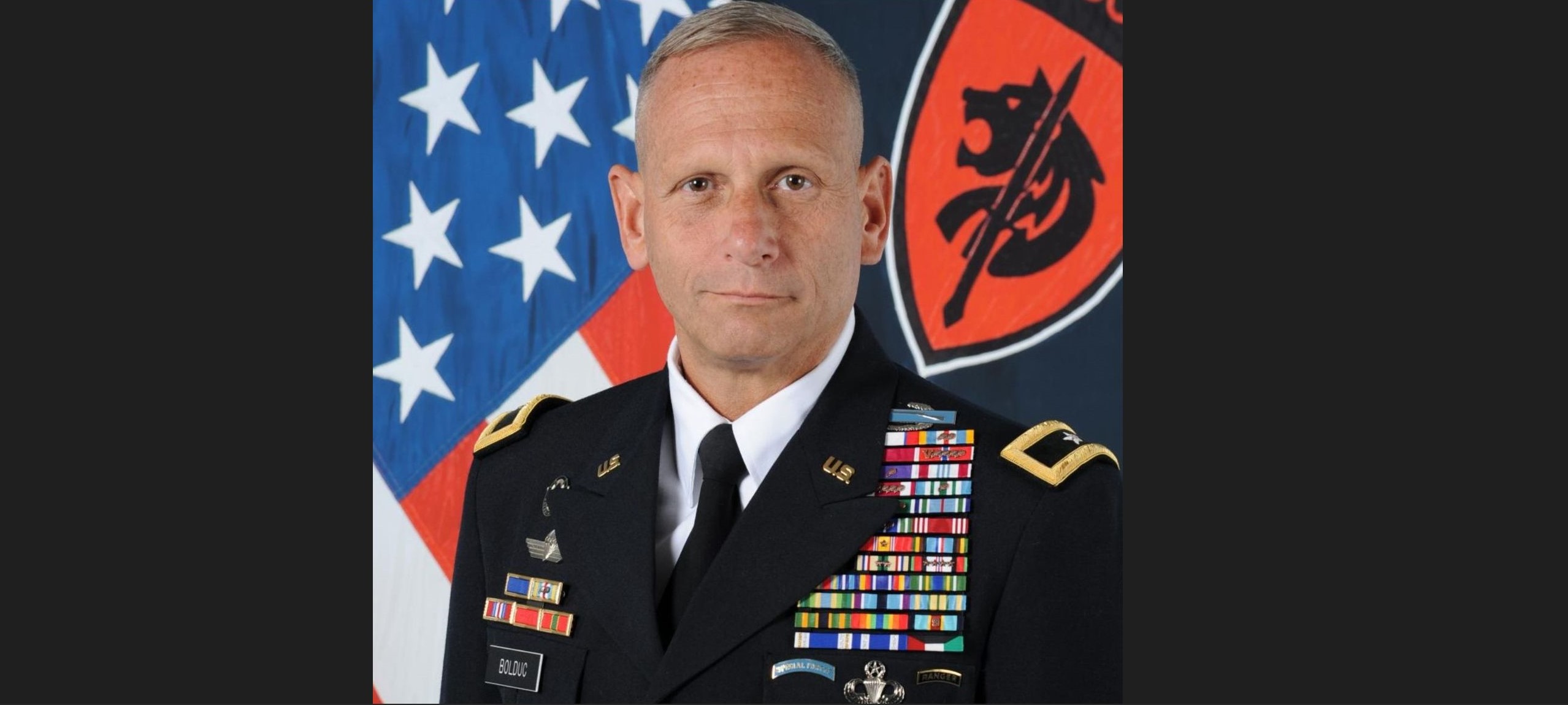
The Bolduc Brief: The Necessity of US Global Engagement – A Cautionary Perspective Against Isolationism
Pulling back from the world isn’t just risky—it’s a recipe for chaos. History proves isolationism fuels instability at home and abroad.
13 articles
Latest updates tagged Geopolitical landscape on SOFREP.
Pulling back from the world isn’t just risky—it’s a recipe for chaos. History proves isolationism fuels instability at home and abroad.

As we stand on the precipice of 2024, the outcome of the U.S. Presidential election and the strategic approaches to global conflicts will profoundly shape international order and the principles of freedom and democracy.
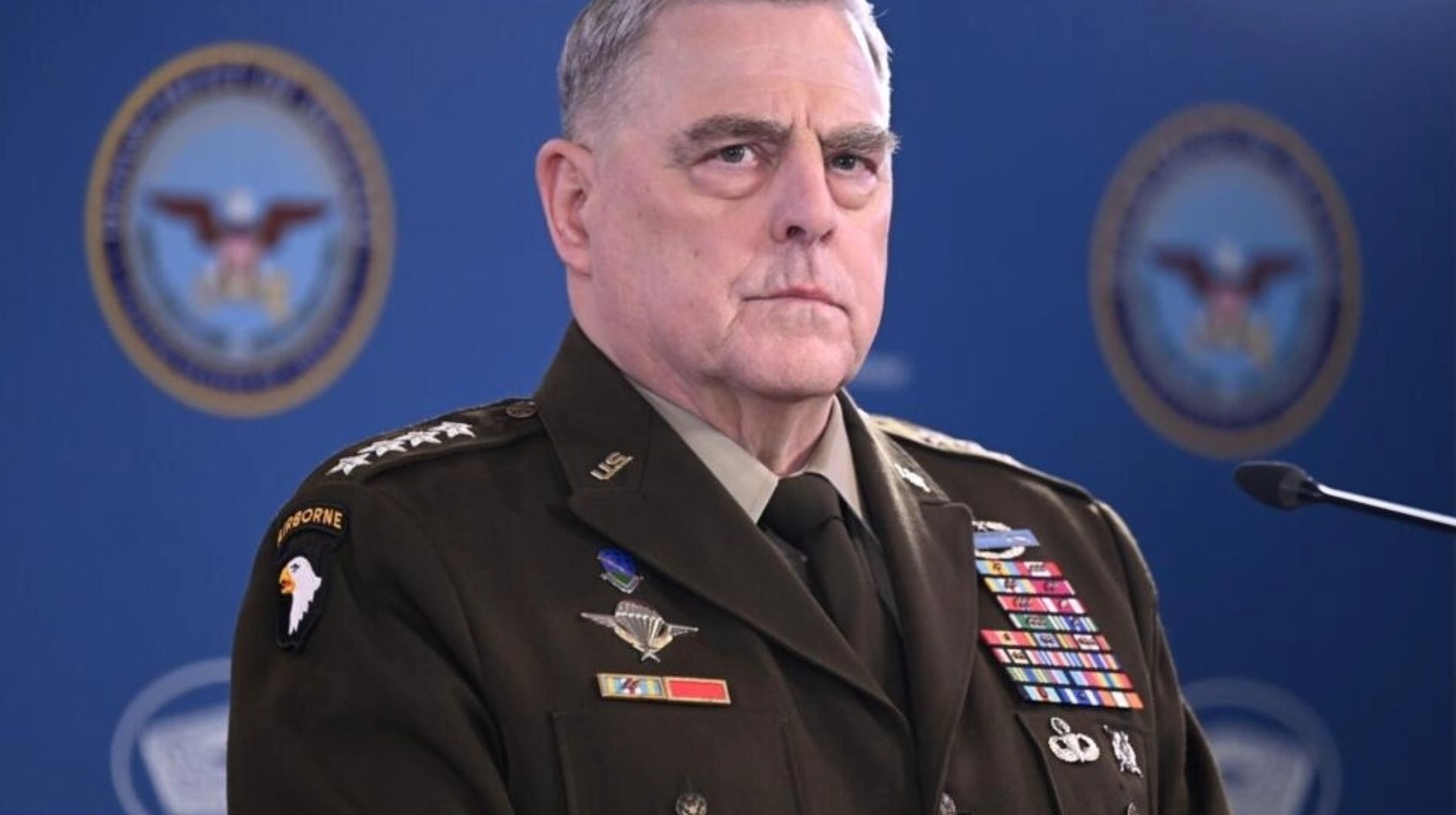
The failures of Generals and Admirals in modern military operations, driven by disconnection from ground realities, bureaucracy, and the erosion of ethics, urgently necessitate a cultural shift in leadership, open dialogue, innovation, and accountability to safeguard national security and restore public trust.
Choosing between offensive or defensive military postures shapes nations’ security, diplomacy, and identity in a world of evolving threats.
Navigating a new geopolitical landscape, China’s multifaceted military expansion—spanning air, sea, land, and digital realms—reveals a narrative of a nation strategically asserting global influence, prompting worldwide reflections on the shifting balance of power and eliciting essential questions about motivations and implications for global peace and stability.
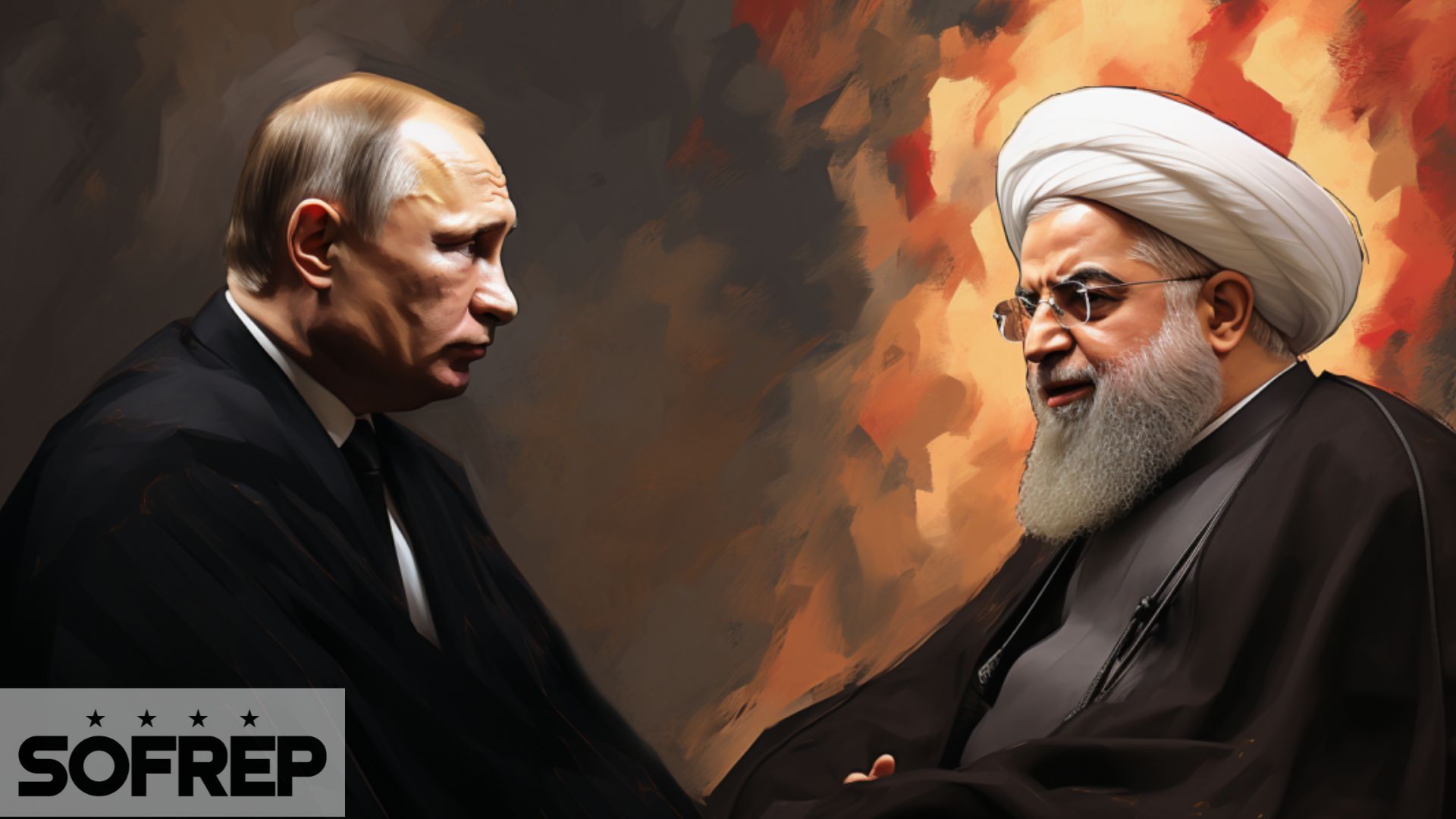
The Iran-Russia drone alliance raises global security concerns as shared technology deepens, impacting Syria and beyond.

Poland, a relatively recent member of NATO, is aggressively bolstering its military prowess through strategic acquisitions and a shift in military doctrine, signaling its commitment to regional security and stability in a rapidly changing geopolitical landscape, despite lingering questions about the economic feasibility of its ambitions.
Attrition warfare is a relentless strategy focused on endurance and breaking the enemy’s will, shaping the geopolitical landscape.
Reflecting on the Khobar Towers Bombing: A stark reminder of global unity against terrorism and the resilience of the human spirit.
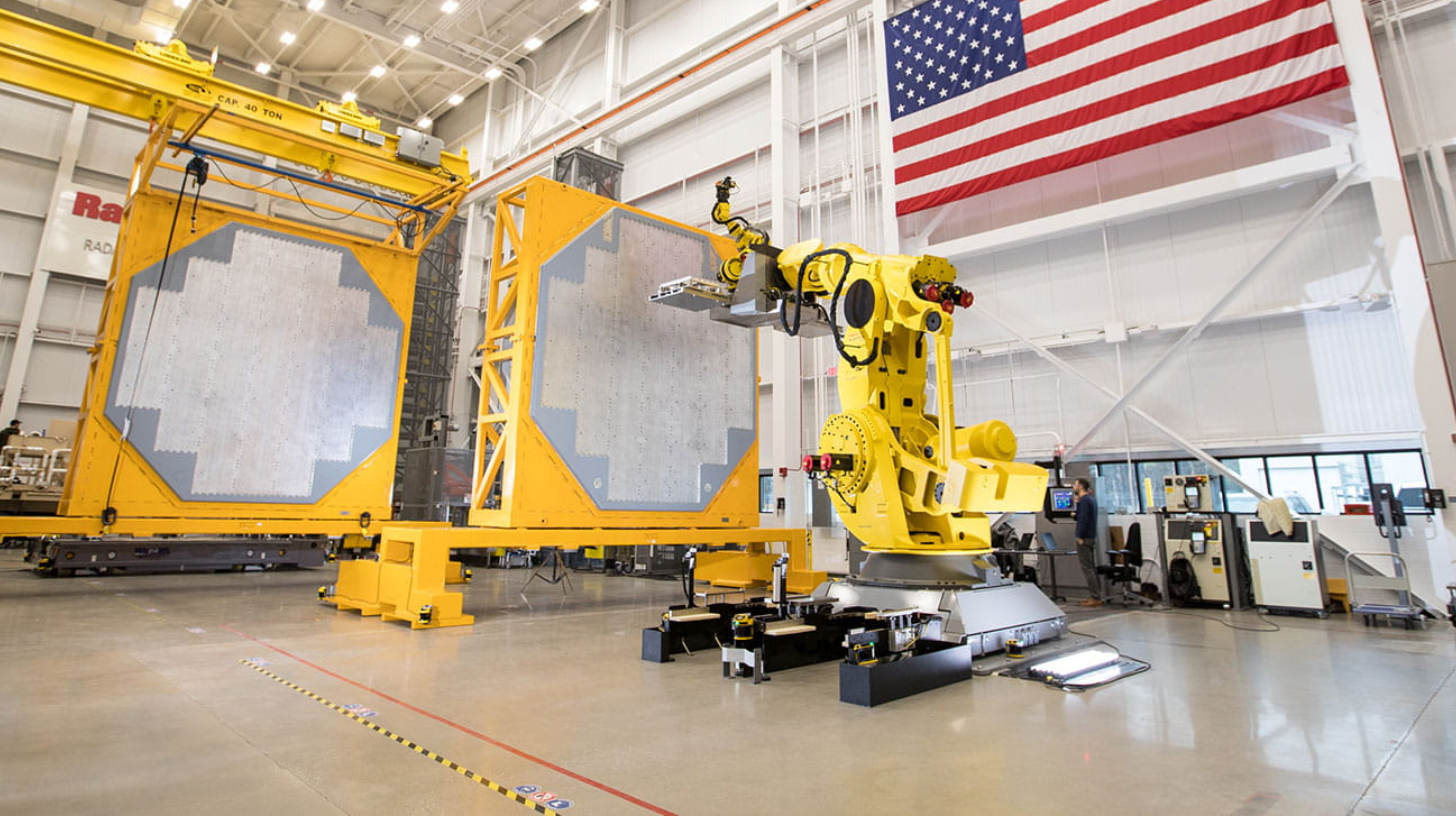
The $200-million contract awarded to CAES by Raytheon for the AN/SPY-6 radar system not only marks a critical advancement in naval warfare capabilities but also underscores CAES’s broader commitment to enhancing US military capabilities across different branches of the armed forces, ultimately serving as a testament to the defense industry’s dedication to innovation and national security.
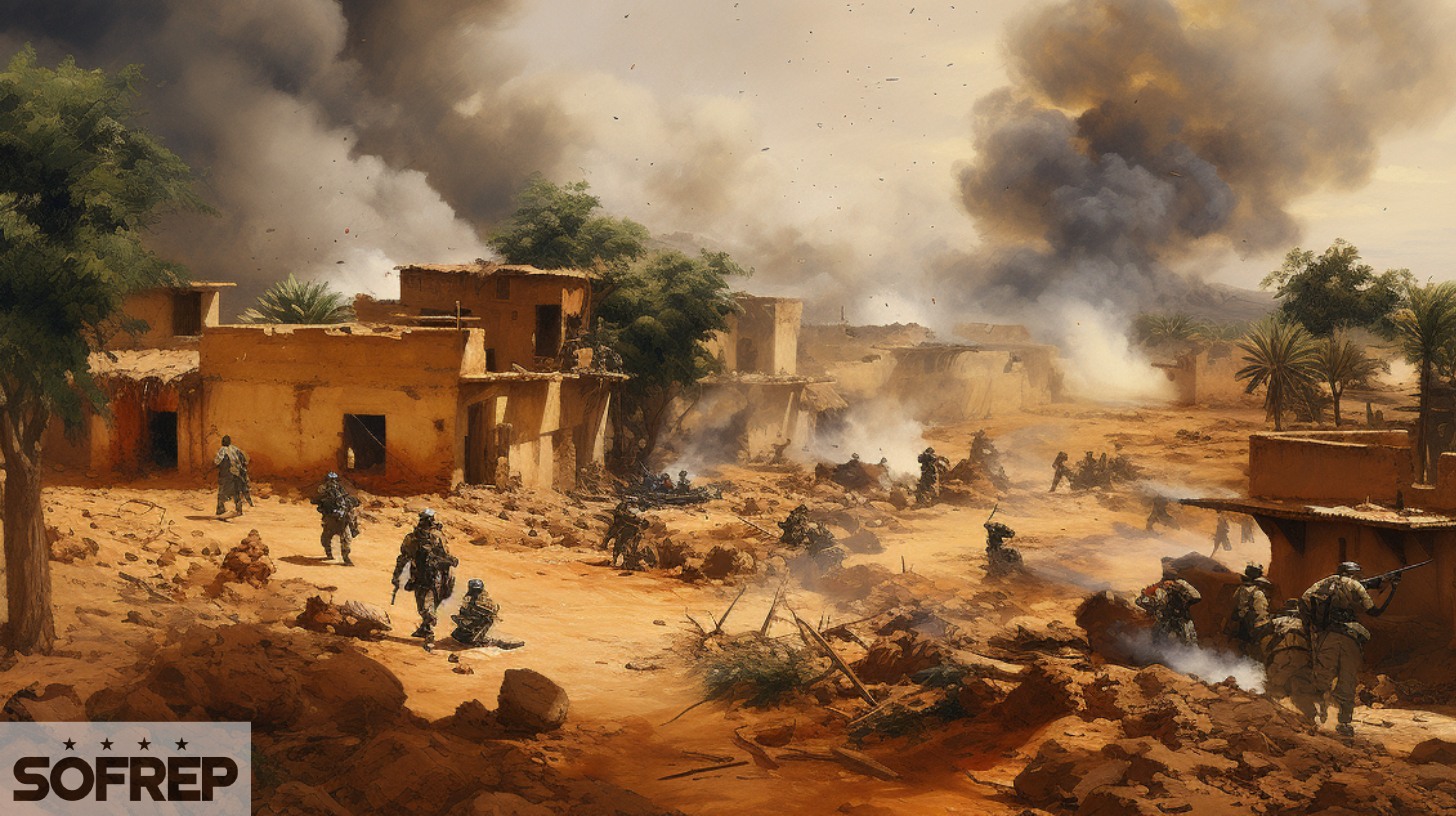
The recent clash between the CMA, the Malian army, and the Wagner mercenary group is a stark reminder of the fragile security situation in northern Mali, underscoring regional and international actors’ profound influence in shaping events.
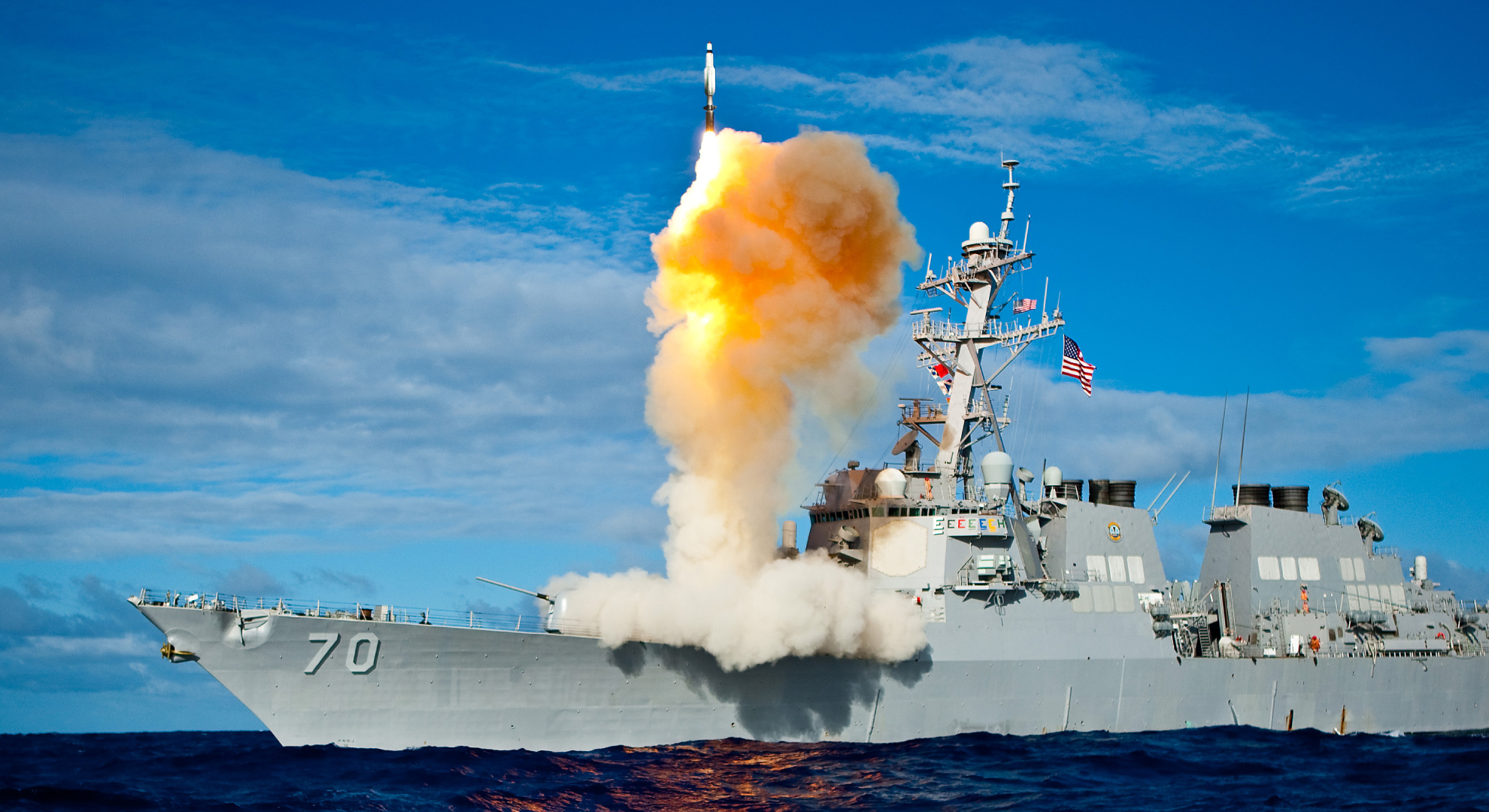
Amid escalating regional tensions and global uncertainty, Japan fortifies its defense posture with the introduction of two advanced Aegis System Equipped Vessels (ASEVs), representing a critical stride in enhancing its missile defense capabilities and bolstering national security.

Hywell is a premium gear brand specializing in heavy-duty Merino wool boot socks for blue-collar professionals and outdoorsmen. Backed by an ironclad 10-Year Warranty.

Praesidus builds rugged, American-assembled watches inspired by historic military timepieces. Designed for accuracy and tested for endurance, each watch is made for outdoor explorers, everyday adventurers, and anyone who needs reliability when it matters.

SIG Sauer is a world-class firearms manufacturer trusted by military, law enforcement, and responsible civilian shooters, delivering precision-engineered weapons, optics, and training systems while maintaining a strong commitment to veteran hiring, American manufacturing, and the professionals who rely on their gear when it matters most.

FightCamp is an at-home boxing and kickboxing training system built around real technique, structured programming, and measurable performance. Members train with fighters and professional coaches while using connected punch and kick trackers that record volume, speed, and power in every round. The result is training that builds conditioning, skill, discipline, and resilience — all from home, on your schedule.

Essential Provisions Field Fuel® meals [ready-to-eat] & sports nutrition products have been developed with the cleanest, high-quality nutrient and energy-dense ingredients available. Research has shown that the whole food nutrients contained in our products have the ability to help.

Have you ever tried to wear a fleece hoodie in bad weather? We don’t recommend it. That’s why we founded BÆRSkin in 2019 – to create the world’s best outdoor gear that’s just as comfortable at home as it is durable outdoors. “Bad fitting, bulky, and boring” is how we felt about 1000’s of regular fleece hoodies we tested.

If you’re 21 or older and use nicotine or tobacco, charge ahead with Black Buffalo, America’s only credible smokeless tobacco alternative. Black Buffalo dips just like the real thing without the tobacco leaf or stem. Find Black Buffalo in Wawa, Circle K, Sheetz, Love’s, Pilot, Racetrac, and many more retail locations across the United States.

Stay Locked In. No Matter What. NEORON is a brain-boosting beverage built for the mission: sugar-free, crash-free, and engineered for clean, tactical focus through long hours and high-stakes operations. Made for those who grind, stay sharp under pressure, and refuse to fold—if failure isn’t an option, NEORON has your six.