
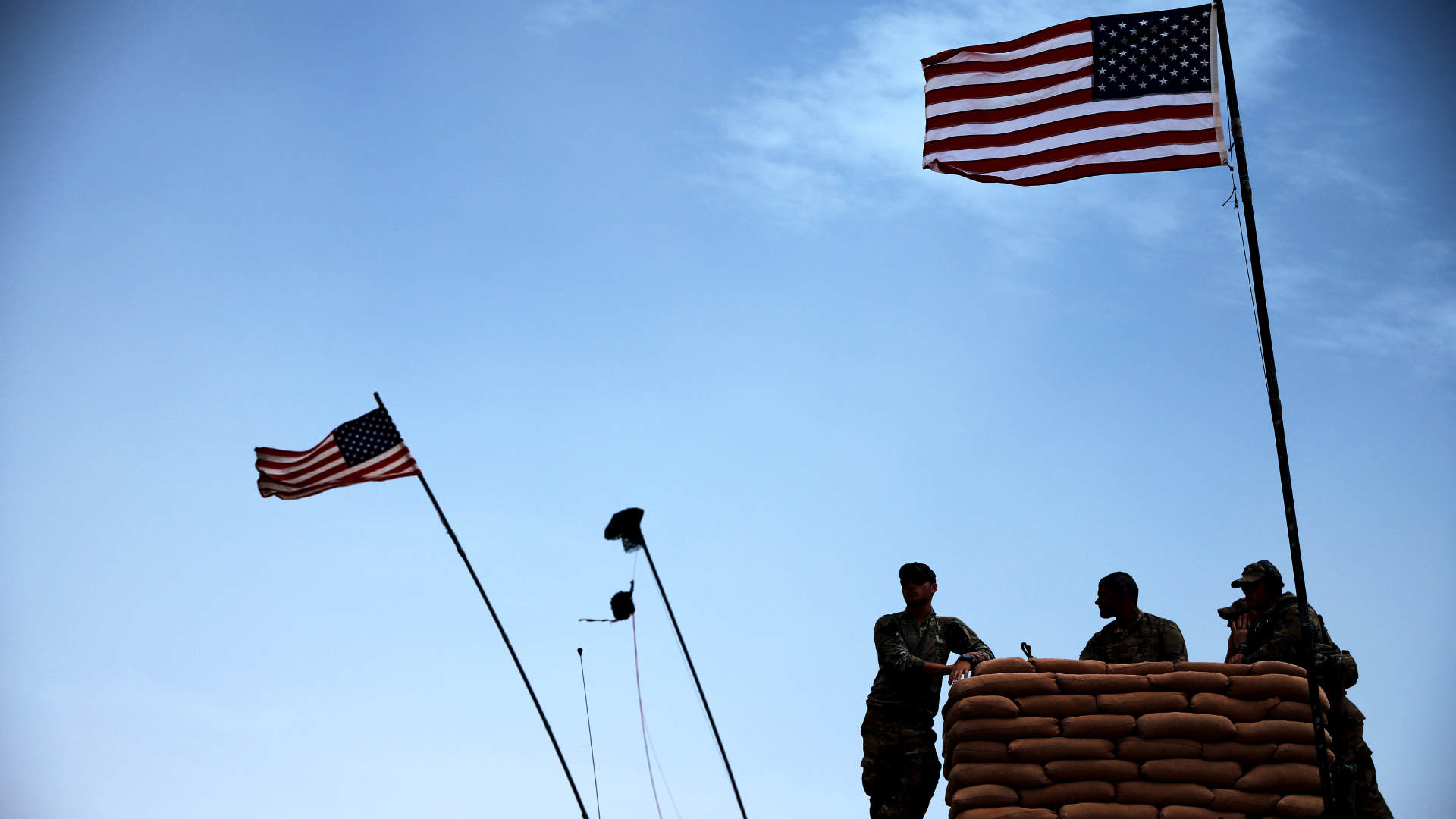
‘Islamic Resistance in Iraq’ Attacks US Troops in Syria
The attempted drone attack on US forces in Syria highlights the complex Middle East situation. De-escalation and diplomacy are crucial to recovering peace in the region.
The attempted drone attack on US forces in Syria highlights the complex Middle East situation. De-escalation and diplomacy are crucial to recovering peace in the region.

Amid escalating conflicts, the Axis of Resistance, spearheaded by Iran and its militant allies, meticulously orchestrated multi-front offensives to undermine Israeli military and political resolve, significantly heightening regional tensions, while Iran, capitalizing on the discontent, sought to galvanize Arab support against Israel, concurrently facing internal uproar against its oppressive regime highlighted by public protests following tragic civilian deaths.

Iran’s Karrar drone, armed with the AD-08 missile, marks a stride in self-reliance, influence, and defense in the Middle East.

In the intricate geopolitical chessboard of the Middle East, Iran maneuvers shrewdly through its proxy, Hamas, to counterbalance the Abraham Accords, disrupt budding Israel-Arab alliances, and fortify its regional stronghold, drawing the region into a vortex of escalating tensions with broader war ominously looming on the horizon.

The ongoing war in Israel, driven by Iranian-backed proxy armies, highlights critical lessons in intelligence, deterrence, AI-driven warfare, and the imperative of moral clarity that America must heed to prepare for the challenges ahead.

Amidst the tumultuous geopolitical landscape from Israel to Ukraine, a sinister symphony orchestrated by Putin takes center stage, using distractions like the Israeli-Hamas conflict to quietly advance Russia’s agenda while the world’s attention wavers.

In the intricate tapestry of Israeli-Palestinian relations, marked by historical traumas and geopolitical maneuvers, it’s vital to recognize the shared pain and strive for a future of holistic tranquility and mutual understanding.

Discover how the US DoD’s new strategy is tackling WMD threats head-on, prioritizing security, deterrence, and international cooperation.

Iran’s successful satellite launch sparks concern in the United States. Is the former advancing its ballistic missile capabilities?
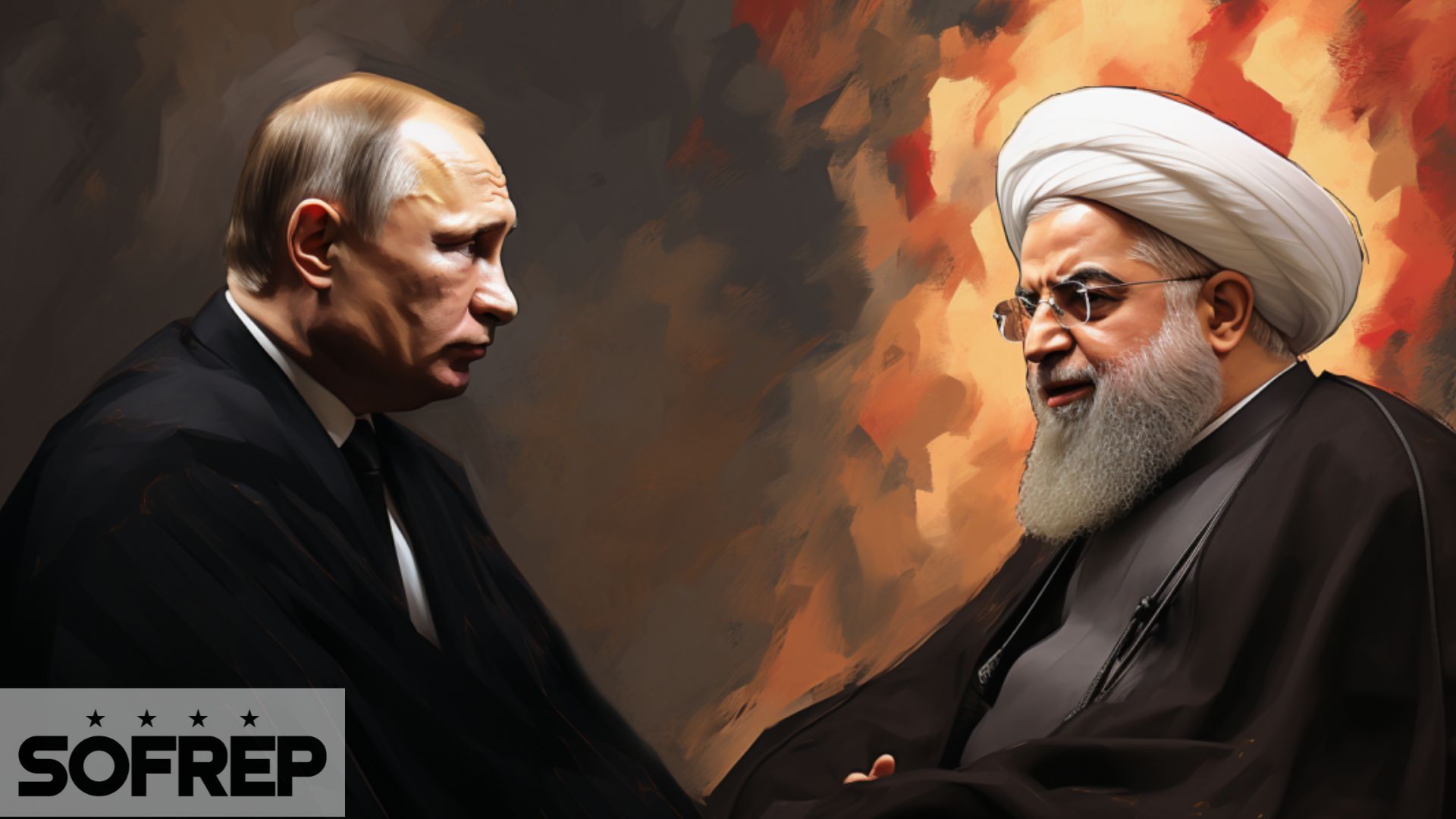
The Iran-Russia drone alliance raises global security concerns as shared technology deepens, impacting Syria and beyond.
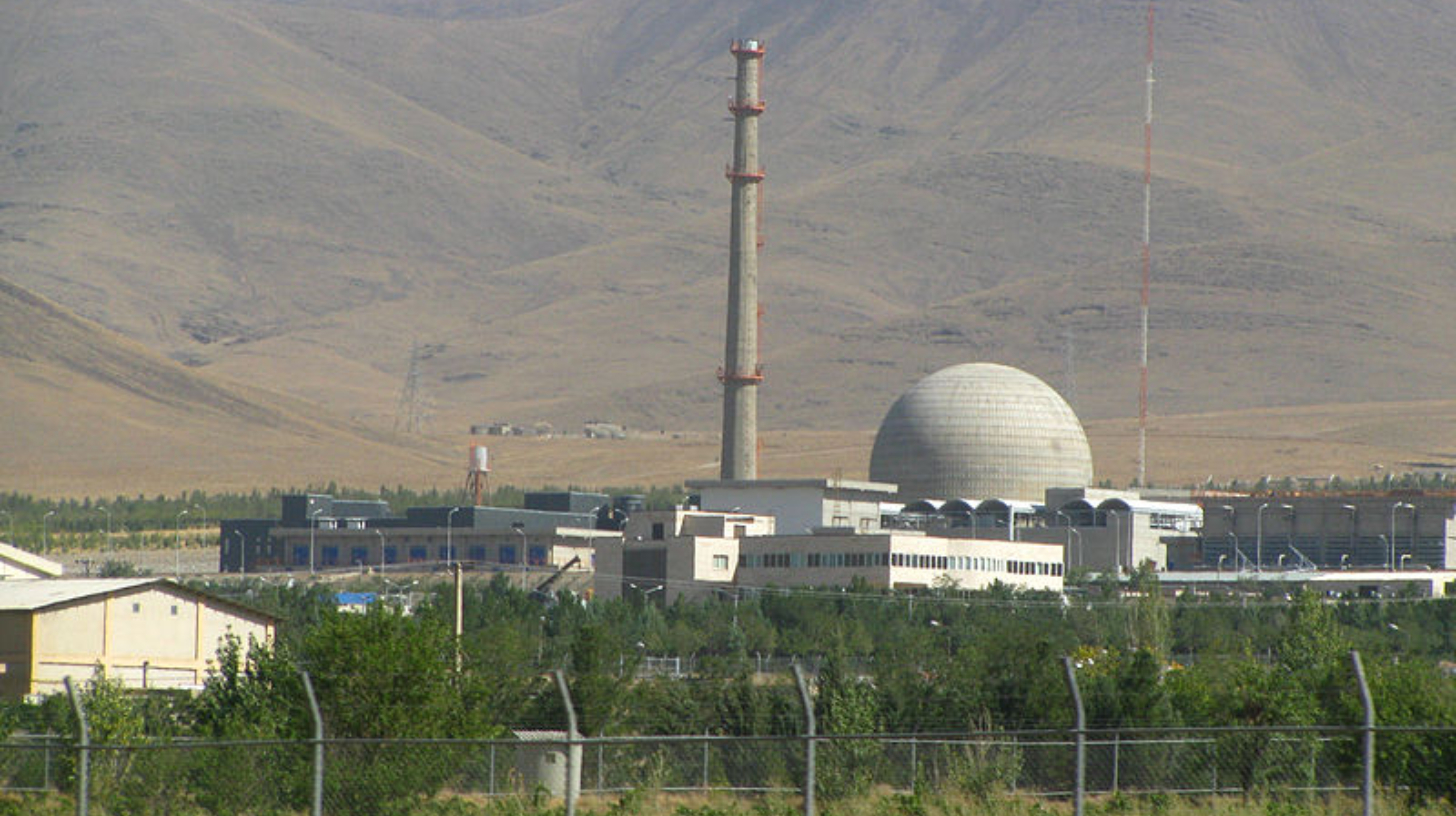
Iran slows uranium enrichment, signaling potential for easing tensions, while challenges persist in monitoring its nuclear program.
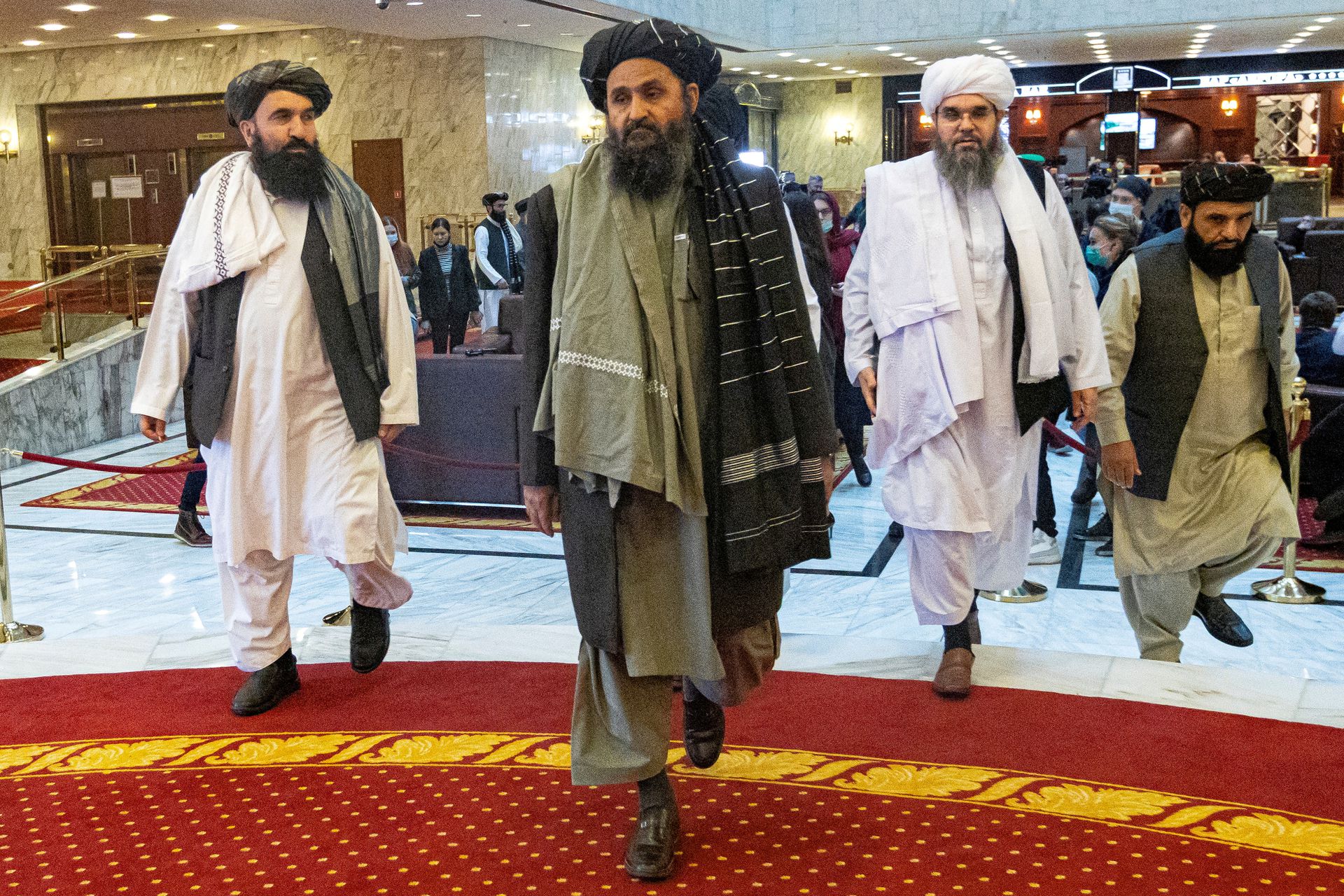
The Taliban ultimately won the war in Afghanistan by biding their time and waiting out the US-led coalition. Not knowing how to run an already third-world economy, the Taliban’s theocratic and archaic laws have only exacerbated the cataclysm tens of millions of Afghans face. Nevertheless, the group now rules over a pile of ash, and the militants are solely responsible for the deterioration of Afghanistan.

Praesidus builds rugged, American-assembled watches inspired by historic military timepieces. Designed for accuracy and tested for endurance, each watch is made for outdoor explorers, everyday adventurers, and anyone who needs reliability when it matters.

SIG Sauer is a world-class firearms manufacturer trusted by military, law enforcement, and responsible civilian shooters, delivering precision-engineered weapons, optics, and training systems while maintaining a strong commitment to veteran hiring, American manufacturing, and the professionals who rely on their gear when it matters most.

FightCamp is an at-home boxing and kickboxing training system built around real technique, structured programming, and measurable performance. Members train with fighters and professional coaches while using connected punch and kick trackers that record volume, speed, and power in every round. The result is training that builds conditioning, skill, discipline, and resilience — all from home, on your schedule.

Essential Provisions Field Fuel® meals [ready-to-eat] & sports nutrition products have been developed with the cleanest, high-quality nutrient and energy-dense ingredients available. Research has shown that the whole food nutrients contained in our products have the ability to help.

Have you ever tried to wear a fleece hoodie in bad weather? We don’t recommend it. That’s why we founded BÆRSkin in 2019 – to create the world’s best outdoor gear that’s just as comfortable at home as it is durable outdoors. “Bad fitting, bulky, and boring” is how we felt about 1000’s of regular fleece hoodies we tested.

If you’re 21 or older and use nicotine or tobacco, charge ahead with Black Buffalo, America’s only credible smokeless tobacco alternative. Black Buffalo dips just like the real thing without the tobacco leaf or stem. Find Black Buffalo in Wawa, Circle K, Sheetz, Love’s, Pilot, Racetrac, and many more retail locations across the United States.

Stay Locked In. No Matter What. NEORON is a brain-boosting beverage built for the mission: sugar-free, crash-free, and engineered for clean, tactical focus through long hours and high-stakes operations. Made for those who grind, stay sharp under pressure, and refuse to fold—if failure isn’t an option, NEORON has your six.

Our roots in shooting sports started off back in 1996 with our founder and CEO, Josh Ungier. His love of airguns took hold of our company from day one and we became the first e-commerce retailer dedicated to airguns, optics, ammo, and accessories. Over the next 25 years, customers turned to us for our unmatched product selection, great advice, education, and continued support of the sport and airgun industry.