
Hitler, von Rundstedt, and the OKW feared an Allied counterattack. They felt that their forces were too exposed. Nightmares of a WWI reversal, when in 1914, and within sight of Paris, the German advance stopped, introducing four years of trenches, haunted them. Göring saw an opportunity to bump his Luftwaffe’s status by proving it could destroy the fleeing allies.
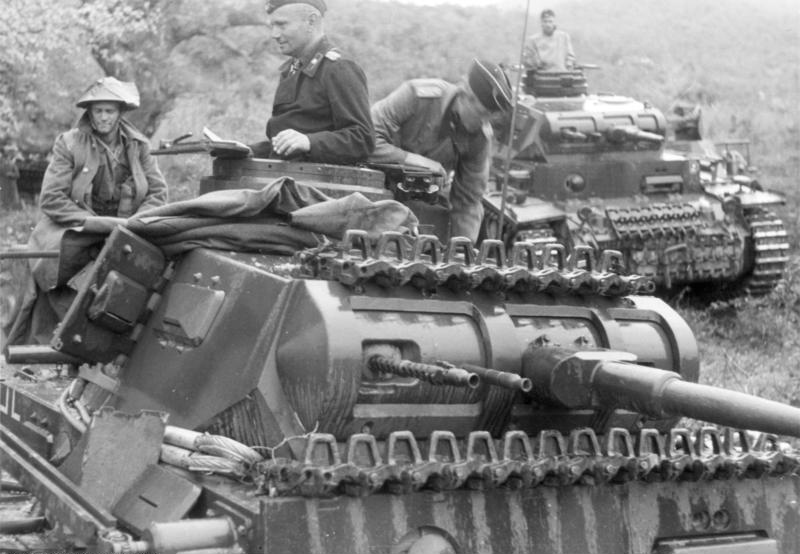
Add to the above the Panzers’ dire need of repairs. They’d been spearheading the attack since the invasion launched on May 10th, just fourteen days earlier. The Panzer Group poised to deal the final blow at Dunkirk had already bled half of its armor (600 tanks).
Faces black with soot and backs aching with pain, the crews had so far subsisted on a cocktail of victory rush and methamphetamine tablets.
“We haven’t got time to take you prisoner,” they’d shout to retreating French troops while speeding by them.
They also lacked their infantry and artillery kameraden, who’d failed to keep up with the armored onslaught (it’s worth noting that the Allies were more motorized than the Germans, who only had 16 fully mechanized divisions out of 157, the rest relying on horses and feet).
That leads us to the second question: Who gave the Halt Order? Contrary to popular belief, it’s von Rundstedt and not Hitler, although he did approve it later; Göring and the OKW concurred.
Guderian, the OKH, and some Luftwaffe generals were furious at the fleeting opportunity to crash the BEF.
The Order paused the German advance till the evening of the 26th (essentially till the 27th), wasting three days and eight hours.
Most of the BEF got away. Britain would fight on.
And onwards to the final puzzle: Why did the Luftwaffe fail to flatten the massed troops at the beaches? Again, for many different reasons.
First, because of the weather. Throughout the evacuation, skies above Dunkirk were often overcast, grounding the Stukas, Heinkels, and Messerschmitts.
Second, due to conflicting needs. Dunkirk was just a front. And one that key German commanders failed to grasp as important—no one, not even the British, after all, believed such an evacuation possible.
Paris, which was the primary target for most of the German leadership, rested south. And Luftwaffe planes were needed to support the upcoming thrust towards the French capital.
Of lesser importance but noteworthy was the sandy soil where most of the Allied troops lay. Bombs are less deadly in such conditions, and more British and French soldiers died from strafing than from bombing.
And there you’ve it, the other half of Dunkirk.
This article was originally published in July 2020. It has been edited for republication.








COMMENTS