
Today’s rapidly evolving military landscape—especially with the rising threat of China—demands technology that can adapt to modern challenges. And that’s where the conversation around modernization really takes off.
Modernization: A Necessary Investment or Overspending?
But over the Pentagon, Air Force Secretary Kendall isn’t shy about saying the fleet needs an upgrade, especially with China stepping up its game.
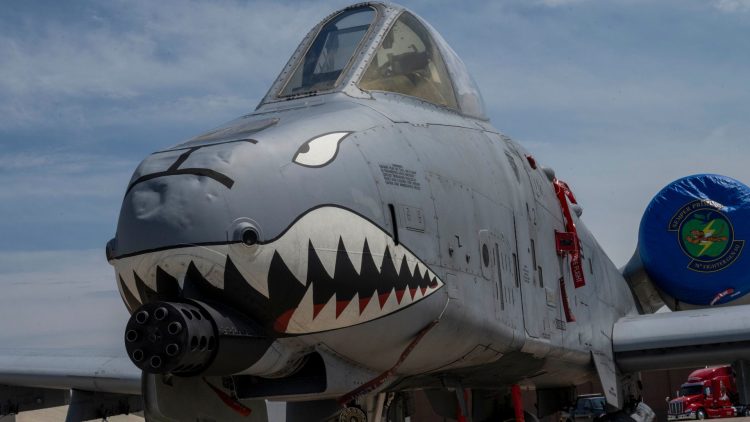
Kendall believes it’s time to retire older aircraft, like the A-10 and some of the older F-22s, to make room for advanced tech—think stealth, cyber capabilities, and electronic warfare systems.
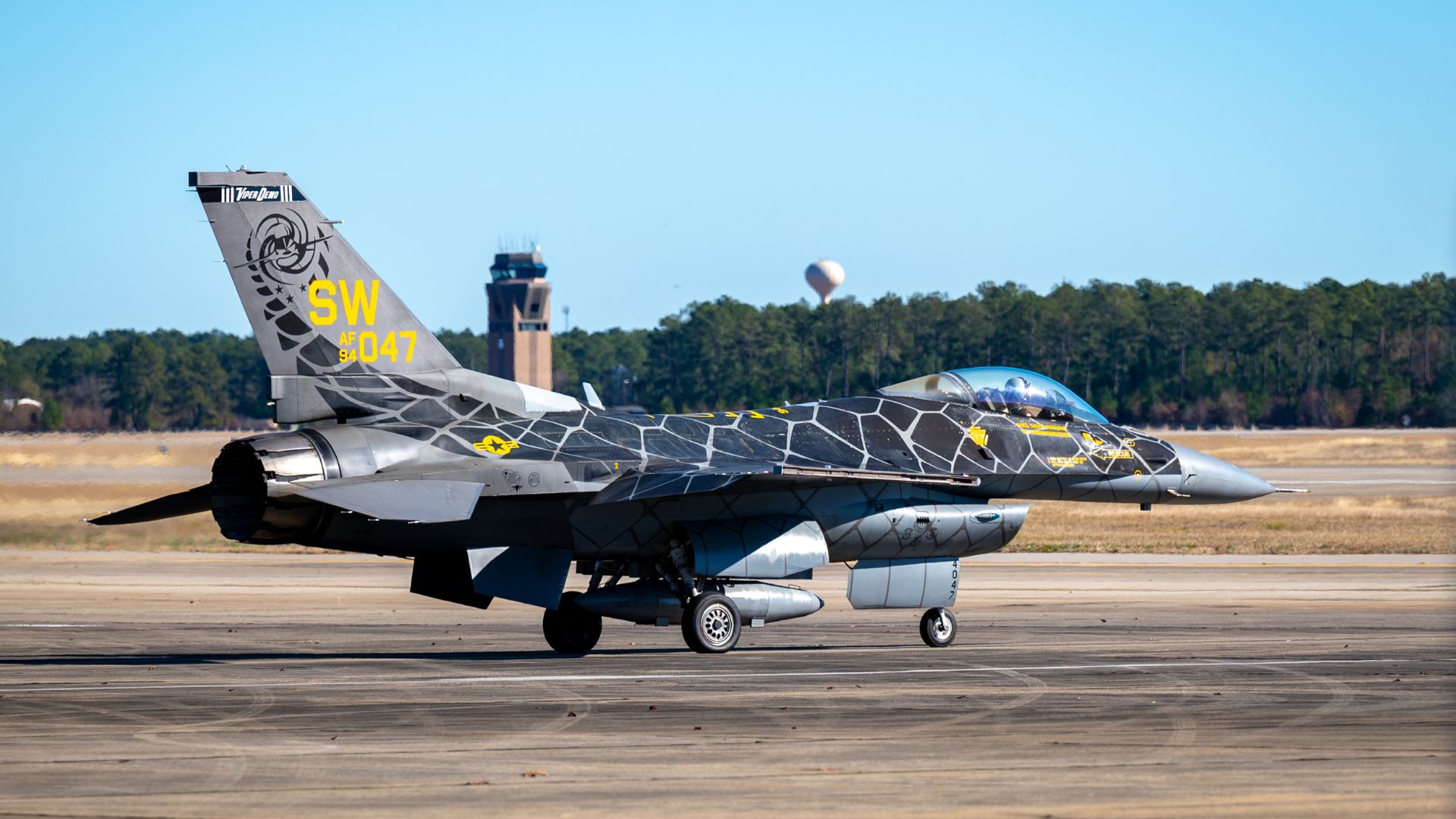
The reasoning? Many legacy planes, like the F-15 and F-16, just aren’t built to survive against modern air defenses, especially in a potential conflict with China. These older models might not hold up against cutting-edge radars and missiles.
“The truth is the Air Force needs things like electric warfare, battle management, intelligence, cyber capabilities, all of these things,” Kendall said at the Ash Carter Exchange defense conference last May. “It doesn’t just need airplanes.”
“As the character of warfare changes,” Kendall added, saying the service will become just as much about those new systems as “traditional platforms.”
“We’re having to divest some of those to free up resources to move forward,” Kendall said. “There’s been resistance to that in the past.”
The Air Force needs planes that can handle these challenges with stealth and top-tier situational awareness, yes?
But here’s the thing, folks—does the USAF really need to swap out the whole fleet? Some argue that instead of ditching older planes, why not invest in new tech instead? Like better electronic warfare systems as these could boost their performance.
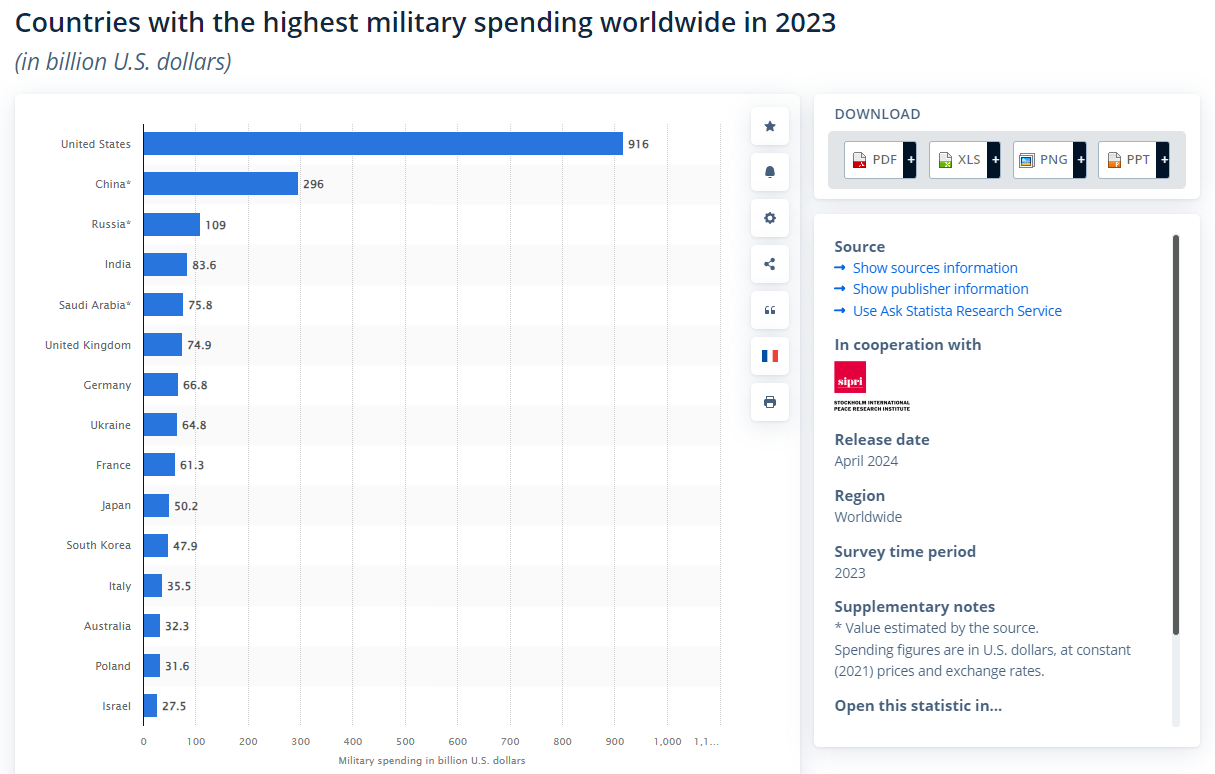
Countries like Israel, for example, have done just that, keeping pace with smaller budgets. Maybe Uncle Sam could take a similar approach, upgrading smartly while being mindful of costs.
Political and Economic Implications
The thing about the push to retire aging aircraft faces not only logistical and fiscal challenges but also political ones.
Lawmakers, especially those representing areas with air bases or military manufacturers, aren’t always on board. Why? Because when planes go, so do jobs, and that can hit local economies hard.
Downsizing or base closures could lead to job losses and economic instability, which no politician wants to deal with.
To modernize without leaving these communities in the dust, the Air Force needs to find a middle ground.
One idea is to transition these areas into industries like advanced tech or drones, which are crucial for future warfare.
Programs that retrain workers or shift defense contracts could also help ensure that progress doesn’t come at the cost of local livelihoods.
Are We Spending Wisely?
Beyond the politics and economics, there’s a bigger question: is Uncle Sam spending wisely on military upgrades?
The defense budget is already sky-high—with the USAF budget request alone for fiscal year (FY) 2025 set to $188.1 billion, a $3 billion increase over the FY 2024 budget request—and some argue we could get the same results with smarter spending.
Just look at the F-35—cutting-edge tech but plagued by cost overruns. On the flip side, things like drones (small, cheap) have been absolute game-changers without breaking the bank.
As warfare evolves, the focus needs to shift toward cyber and electronic warfare. This doesn’t mean scrapping the entire fleet but rather blending new tech with what we already have. By being more strategic, the US can keep its edge without overspending.
Final Thoughts: A Call for Smarter Modernization
In the end, it’s not just about swapping old planes for new ones. It’s about making smart choices that balance staying ahead and not wasting resources.
Modernizing is a must to handle new threats, yes, but Uncle Sam needs to do it in a way that’s both efficient and doesn’t hurt local economies at the very least.
The US can still lead in military innovation without blowing the budget. By focusing on adaptability, advanced tech, and smart spending, the Air Force can stay ahead without just relying on its massive budget.
Now, the real question isn’t just whether America’s ready for the next fight but if we can do it smarter and more strategically than ever before.
Thoughts?
—
Disclaimer: SOFREP utilizes AI for image generation and article research. Occasionally, it’s like handing a chimpanzee the keys to your liquor cabinet. It’s not always perfect and if a mistake is made, we own up to it full stop. In a world where information comes at us in tidal waves, it is an important tool that helps us sift through the brass for live rounds.








COMMENTS