
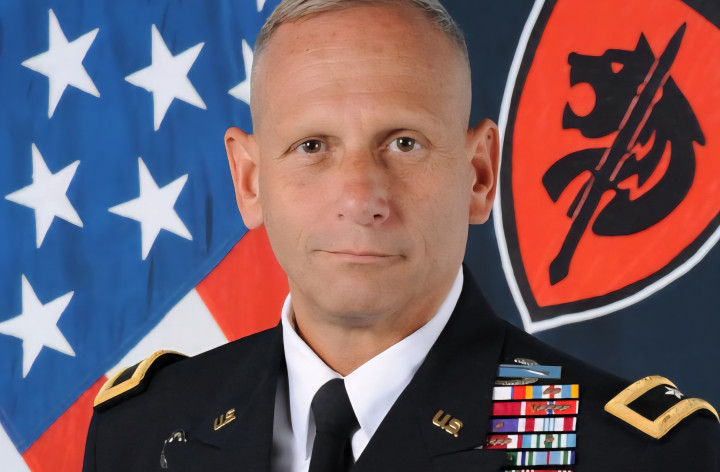
The Bolduc Brief: The Ineffectiveness of Strikes on Iran – An Analysis
Attacking Iran may offer short-term military gains but risks regional escalation, economic shock, and a more defiant Tehran.
304 articles
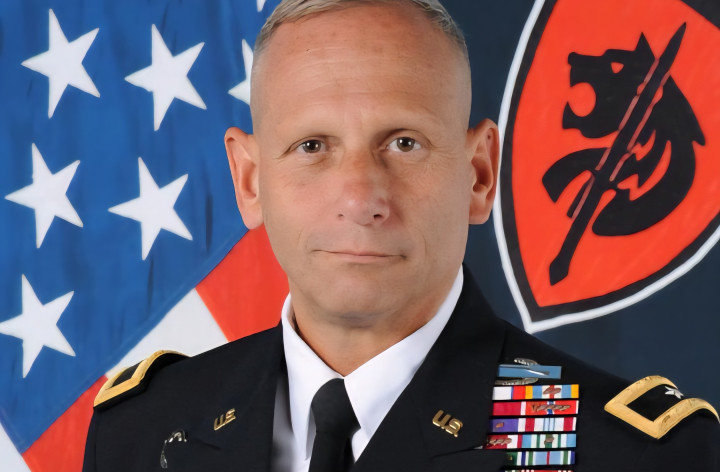
General Don Bolduc (Army Ret.) started his career as a private in the United States Army. He did 10 tours in Afghanistan from 2001-2013. He now advocates for veterans and is a sergeant at the Barnstead, New Hampshire, Police Department. General Bolduc is a Laconia, NH native and resides in Stratham, NH.
Attacking Iran may offer short-term military gains but risks regional escalation, economic shock, and a more defiant Tehran.
Restraint in dealing with Iran is not weakness but strategic discipline, born from hard lessons in the Middle East and a clear understanding that reckless military escalation risks igniting a regional fire that diplomacy still has a chance to contain.
Foreign leaders can promise freedom all they want, but without a unified opposition, a viable strategy, and conditions that allow Iranians to challenge the regime without being crushed by its security apparatus, talk of imminent liberation is little more than rhetoric detached from reality.
Air power alone cannot secure victory in Iran, because war is ultimately decided by political realities, regional dynamics, and the human consequences that follow every bomb dropped.
Air power can devastate an enemy’s infrastructure and military capacity, but history shows that without ground forces and sustained political strategy, it rarely delivers the decisive strategic victory nations seek.
The tape over your heart carries the weight of the mission, and when you let that matter more than the one with your own name on it, discipline stops being a rule and becomes a choice to serve something greater than yourself.
Discipline is not blind obedience but the daily choice to serve the mission, manage risk with clear eyes, and lead with humility so teams can adapt, innovate, and win.
Real strength is not measured by how much weight you can carry into a fight, but by whether your mind stays clear and your emotions stay disciplined when the pressure is on and lives depend on your next decision.
As the Epstein files unfold and executive power continues to stretch its limits, the real test is whether America’s institutions will enforce the rule of law evenly, or prove that some elites still operate beyond its reach.
Despite years of advocacy and awareness campaigns, the stigma surrounding mental health in military and first responder communities remains deeply entrenched, continuing to deter brave men and women from seeking the help they need out of fear for their careers, reputations, and standing among their peers.
Trump’s so-called “Board of Peace” is less a serious diplomatic initiative and more a self-serving, redundant, and strategically hollow venture that risks deepening mistrust among allies, duplicating existing institutions, and distracting from the hard, disciplined work real foreign policy demands.
When defense leaders trade focus on readiness, recruitment, and force health for ideological fights with universities, they risk weakening the very military strength and unity they are sworn to protect.

Hywell is a premium gear brand specializing in heavy-duty Merino wool boot socks for blue-collar professionals and outdoorsmen. Backed by an ironclad 10-Year Warranty.

Praesidus builds rugged, American-assembled watches inspired by historic military timepieces. Designed for accuracy and tested for endurance, each watch is made for outdoor explorers, everyday adventurers, and anyone who needs reliability when it matters.

SIG Sauer is a world-class firearms manufacturer trusted by military, law enforcement, and responsible civilian shooters, delivering precision-engineered weapons, optics, and training systems while maintaining a strong commitment to veteran hiring, American manufacturing, and the professionals who rely on their gear when it matters most.

FightCamp is an at-home boxing and kickboxing training system built around real technique, structured programming, and measurable performance. Members train with fighters and professional coaches while using connected punch and kick trackers that record volume, speed, and power in every round. The result is training that builds conditioning, skill, discipline, and resilience — all from home, on your schedule.

Essential Provisions Field Fuel® meals [ready-to-eat] & sports nutrition products have been developed with the cleanest, high-quality nutrient and energy-dense ingredients available. Research has shown that the whole food nutrients contained in our products have the ability to help.

Have you ever tried to wear a fleece hoodie in bad weather? We don’t recommend it. That’s why we founded BÆRSkin in 2019 – to create the world’s best outdoor gear that’s just as comfortable at home as it is durable outdoors. “Bad fitting, bulky, and boring” is how we felt about 1000’s of regular fleece hoodies we tested.

If you’re 21 or older and use nicotine or tobacco, charge ahead with Black Buffalo, America’s only credible smokeless tobacco alternative. Black Buffalo dips just like the real thing without the tobacco leaf or stem. Find Black Buffalo in Wawa, Circle K, Sheetz, Love’s, Pilot, Racetrac, and many more retail locations across the United States.

Stay Locked In. No Matter What. NEORON is a brain-boosting beverage built for the mission: sugar-free, crash-free, and engineered for clean, tactical focus through long hours and high-stakes operations. Made for those who grind, stay sharp under pressure, and refuse to fold—if failure isn’t an option, NEORON has your six.