Paul Kern, a WWI soldier, never slept again after a head injury, staying awake for 40 years while living a full, active life.
Read the full article for more on:
Important insights and detailed analysis
Expert commentary on current events
Breaking developments and updates
Updating summary...
The World War I Soldier Who Survived a Headshot and Stayed Awake for 40 Years
SOFREP News Team
Speed
1x
Listen
COMMENTS
Paul Kern, a WWI soldier, never slept again after a head injury, staying awake for 40 years while living a full, active life.
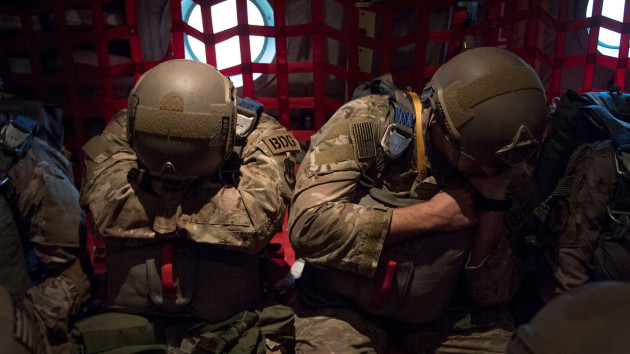
Airmen catch a quick nap aboard an HC-130J Combat King II before static-line jumps—a sharp contrast to sleepless Paul Kern. Image Credit: DVIDS
How many hours of sleep do you need to function fully? Eight? Six? Maybe four if you’re pushing it. Sleep is often dismissed as optional, but it is far from a luxury. It is essential for a healthy mind and body. Yet one soldier from World War I defied that rule entirely.
Advertisement
Paul Kern was shot in the head during the war, and he never slept again. Forty years awake. No naps, no REM cycles, just the relentless march of time without rest.
The Bullet That Stole Sleep
When World War I erupted after the assassination of Archduke Franz Ferdinand, Kern joined Hungary’s elite shock troops, the soldiers who led charges into enemy positions. In 1915, while battling Russian forces, a bullet tore through Kern’s right temple. He was knocked unconscious and rushed to a hospital in Lemberg for surgery.
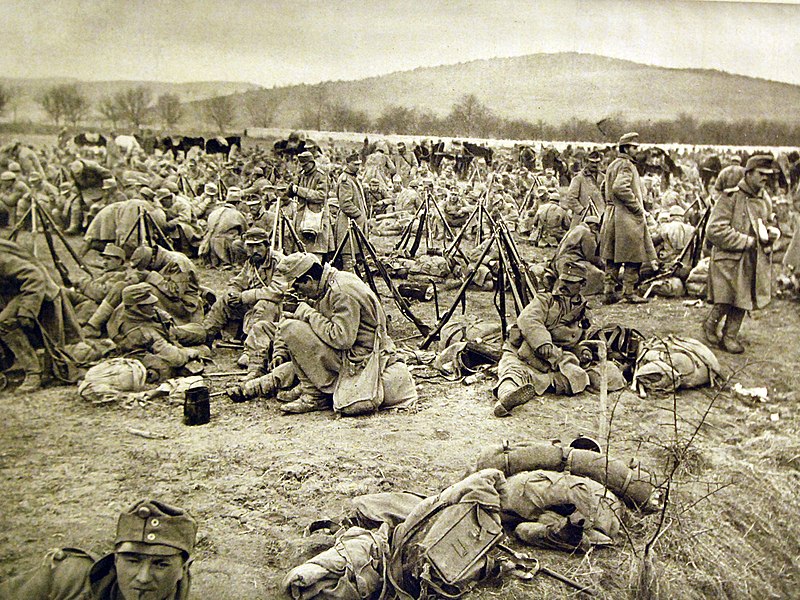
Austro-Hungarian Troops at War, 1916. (Image Credit: National Museum / Wikimedia Commons)
Doctors discovered the bullet had damaged part of Kern’s frontal lobe, the brain’s hub for planning, emotional control, problem-solving, and movement. What they could not know was that this injury would also erase his ability to sleep—a symptom so rare that it baffled physicians for decades.
Advertisement
Why Sleep Matters
To understand Kern’s condition, it helps to remember why humans sleep. Sleep allows the body and mind to recharge, restoring focus, memory, and emotional balance. Without it, brain function falters, concentration collapses, and memory suffers. Chronic sleep deprivation can trigger hallucinations, personality changes, and serious health conditions, including hypertension, heart disease, stroke, obesity, diabetes, and psychiatric disorders.
Most adults need seven to nine hours of nightly sleep. Children and teenagers need even more. According to Scientific American, the human record for staying awake is 264 hours—just 11 days. Beyond that, the body begins to fail.
Advertisement
And yet, Kern defied these limits.
Forty Years Wide Awake
After leaving military service, Kern returned to civilian life and discovered he could not sleep—even if he tried. Closing his eyes offered minimal relief, and forcing sleep only made him feel more exhausted. Despite this, Kern adapted. The extra eight hours a day allowed him to pursue activities most people only dream of: reading, socializing, traveling, and working.
Doctors observed him closely. Some suspected he was lying or experiencing brief microsleeps without awareness. Kern welcomed scrutiny, traveling the world for examinations. Every doctor was puzzled. He stayed fully awake at all times, except for brief periods to rest his eyes and prevent headaches.
Advertisement
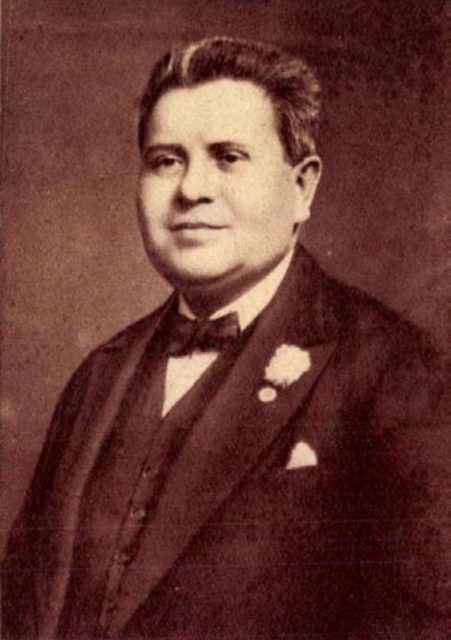
A portrait of Paul Kern. Image Credit: Public Domain
The Science That Could Not Explain Him
Kern’s case challenged medical understanding. The bullet appeared to have destroyed the part of the brain responsible for sleep. Physicians predicted he would die young, his body unable to recover without rest. Yet Kern lived until 1955, reaching the age of 71.
His case remains one of the most extraordinary documented examples of human resilience. He lived a full life without sleep, a reminder that biology sometimes defies expectation.
Paul Kern’s story is both cautionary and fascinating. Sleep is crucial for health, but his life shows that the human body can sometimes endure what seems impossible. It also serves as a dramatic illustration of how much of life we spend unconscious and how fleeting that rest truly is.
For forty years, Kern watched the world while it slept. He proved that even without the daily ritual of sleep, it is possible to live a long, active, and remarkable life.
This article was originally published in 2022 and has been revised and polished.
Advertisement
What readers are saying
Generating a quick summary of the conversation...
This summary is AI-generated. AI can make mistakes and this summary is not a replacement for reading the comments.










COMMENTS