

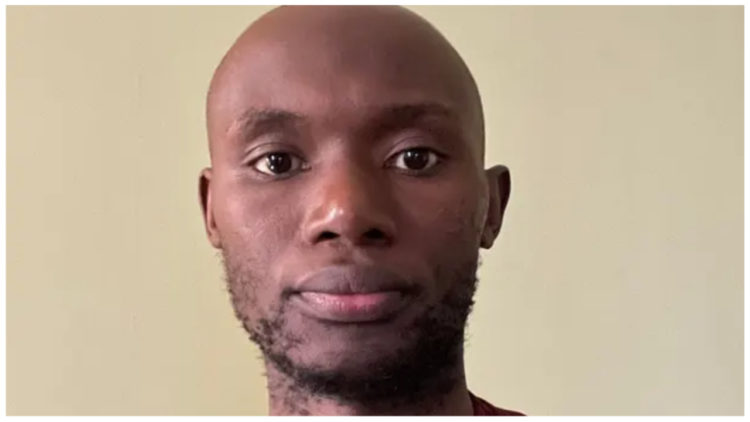
Suedi assured his brother over the phone that he had not been harmed, but Sele believes otherwise. The latter suspected that someone was listening in on their conversation because the Former Airman responded to his brother, who was speaking in their native tongue, in English.
According to a news report, a State Department spokesperson declined to provide additional information “due to privacy concerns,” adding that the department is already aware of “these unconfirmed reports.”
Other reported American detainees
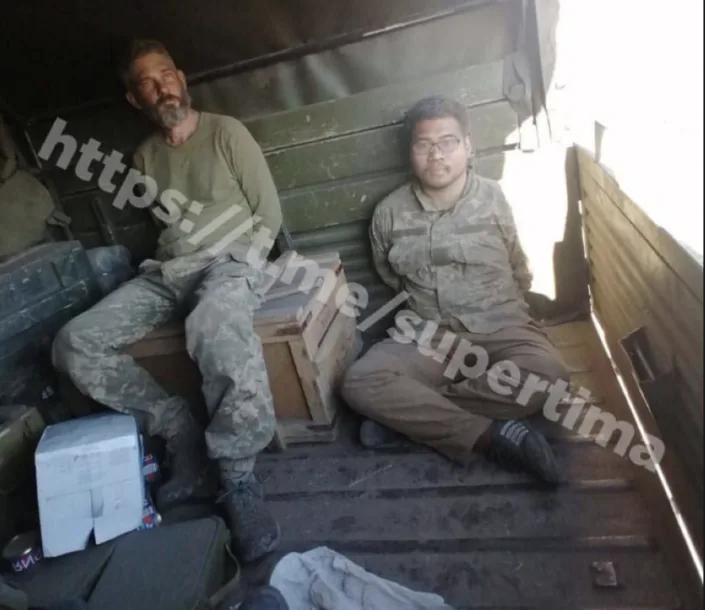
Earlier in June, Drueke and Huynh were reported missing, naming them as the first Americans known to have become prisoners of the Russia-Ukraine war. Like Murekezi, the two detainees also contacted their families less than two weeks after their disappearance.
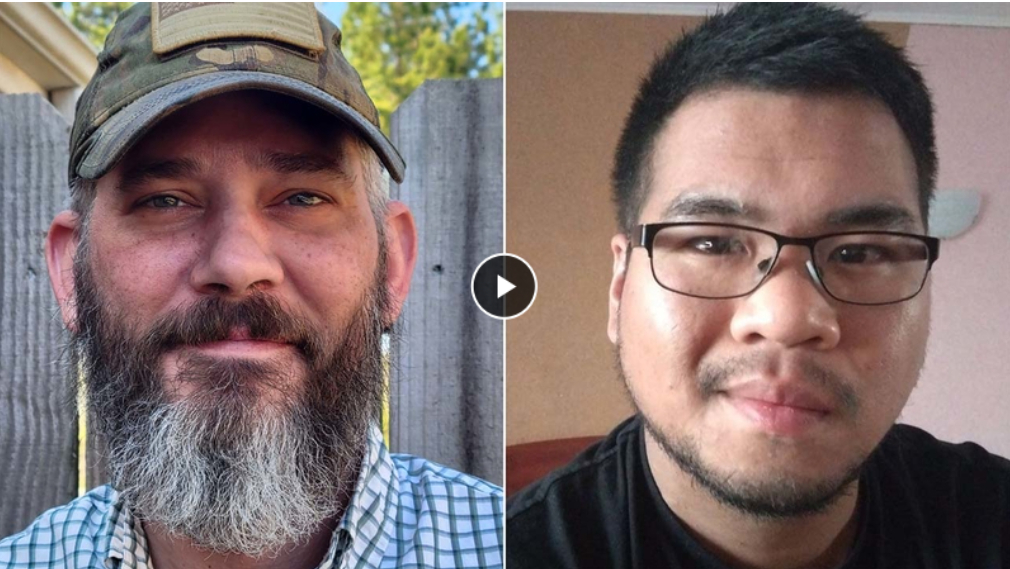
Drueke and Huynh were both Alabama army veterans.
Alexander, 40, spoke to his mother days after his capture. During the 10-minute conversation, he didn’t mention any demands. But he said that his captors were “anxious to begin negotiations for his release,” though not impossible.
In addition, Lois Drueke said her son “sounded tired and stressed, and he was clearly reciting some things he had been made to practice or read, but it was wonderful to hear his voice and know he’s alive and all right.” Alex also described spending the majority of his time in captivity but having access to food, water, and bedding, as well as repeatedly asking about his mastiff dog named Diesel.
“I told him I was doing everything I knew to do to help get him and Andy released,” Lois said.
The army veteran completed two tours of combat in Iraq before traveling to Ukraine via Poland in April, his mother said. Drueke was teaching Ukrainian soldiers how to use US-supplied weapons.
The 27-year-old Orange County-born veteran flew to Ukraine as a volunteer. They reported him missing after he failed to contact his relatives for several days after arriving in the Kharkiv region near the Russian border.
Huynh told a local newspaper that he was studying robotics at a community college when he heard about the Russian invasion and “couldn’t stop thinking about it.”
“I know it wasn’t my problem, but there was that gut feeling that I felt I had to do something,” Huynh told Alabama’s Decatur Daily. “Two weeks after the war began, it kept eating me up inside, and it just felt wrong. I was losing sleep. […] All I could think about was the situation in Ukraine.”
Huynh joined the Marines at the age of 19 and served four years, but unlike Alex, he never saw active combat.
Just days after the announcement of Drueke and Huynh’s captivity, another veteran has been reported missing. With 20 years of combat experience under his belt, former Marine Grady Kurpasi went to Ukraine just weeks after the war broke out in March.
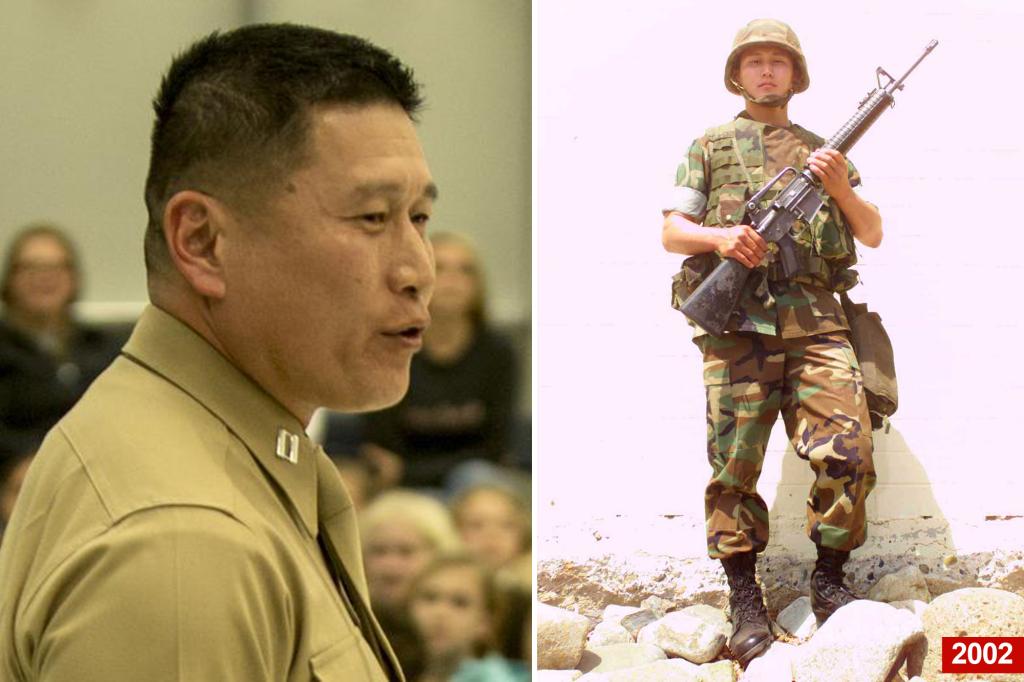
His wife then reported that the last time they heard from Kurpasi was between April 23 and 24, when he was assigned to patrol an observation post near Kherson.
Saving detained Vets, is it possible?
“To the best that we can tell, his only crims is that he’s an American and that he’s black,” said Bryan Stern, the co-founder of Project Dynamo, regarding Suedi’s captivity.
Project Dynamo is a nonprofit initiative that conducts rescue operations for those captured, detained, or otherwise needing evacuation in Afghanistan and Ukraine.
Stern also noted how Suedi was not charged as a mercenary, which means authorities are not accusing the ex-Airman of being part of the legion of international volunteers fighting for Ukraine. Nevertheless, the definition of “protesting” in Russian-controlled territories can be expansive. Russia would also see any Americans in Ukraine as targets for arrest as bargaining chips and leverage to use against the US which is supplying Ukraine with most of its arms.
Bryan Stern and three rescued Americans are back in the USA. Make sure to watch Good Morning America tomorrow at 8 a.m. @GMA @ABC #GoodMorningAmerica #ProjectDynamo #Dynamo #Abc #Americans #Usa #NYC #NewYork #Home #RescuedAmericans 🇺🇸 pic.twitter.com/oANgULb8te
— Project Dynamo Official (@Project_Dynamo1) July 16, 2022
Sharing further insight, Stern told The Post that there are roughly three possible actions to take from here in rescuing Suedi, based on his experience: Negotiation, rescue operation, and legal battle.
Both of the last two options will be difficult to pursue, as conducting a rescue operation would require American troops to be involved in an active battlefield. Meanwhile, if Suedi is tried in the DPR court, a bleak outcome is possible since, unlike Russia, the DPR permits the death penalty.
“The problem… is, he’s been arrested by a government that doesn’t really exist in the world,” Stern added.
In a CNN report, “hopes” for a prisoner swap between Ukraine and pro-Russian separatists “appeared to have been dashed” after Denis Pushilin, the self-proclaimed leader of the DPR, said such exchanges were out of the question and pardoning them is off the table.
Meanwhile, Ukrainian president Volodymyr Zelensky pledged to do what he and his government could to ensure the safe return of both men, calling them “heroes” for volunteering to help his nation fight Russia.








COMMENTS