

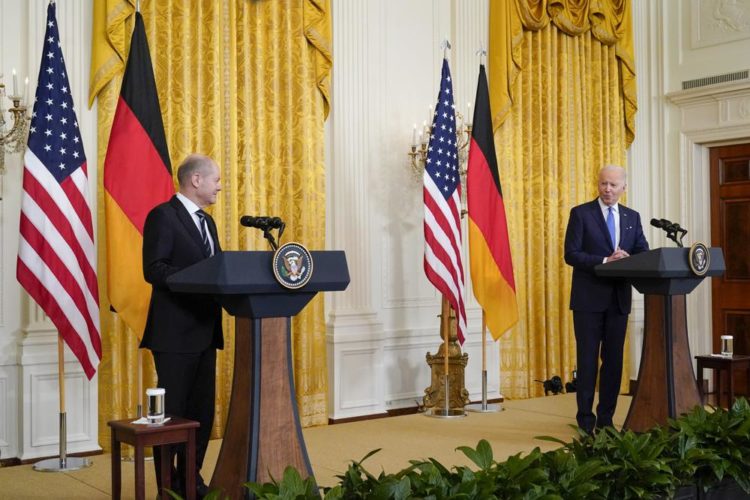
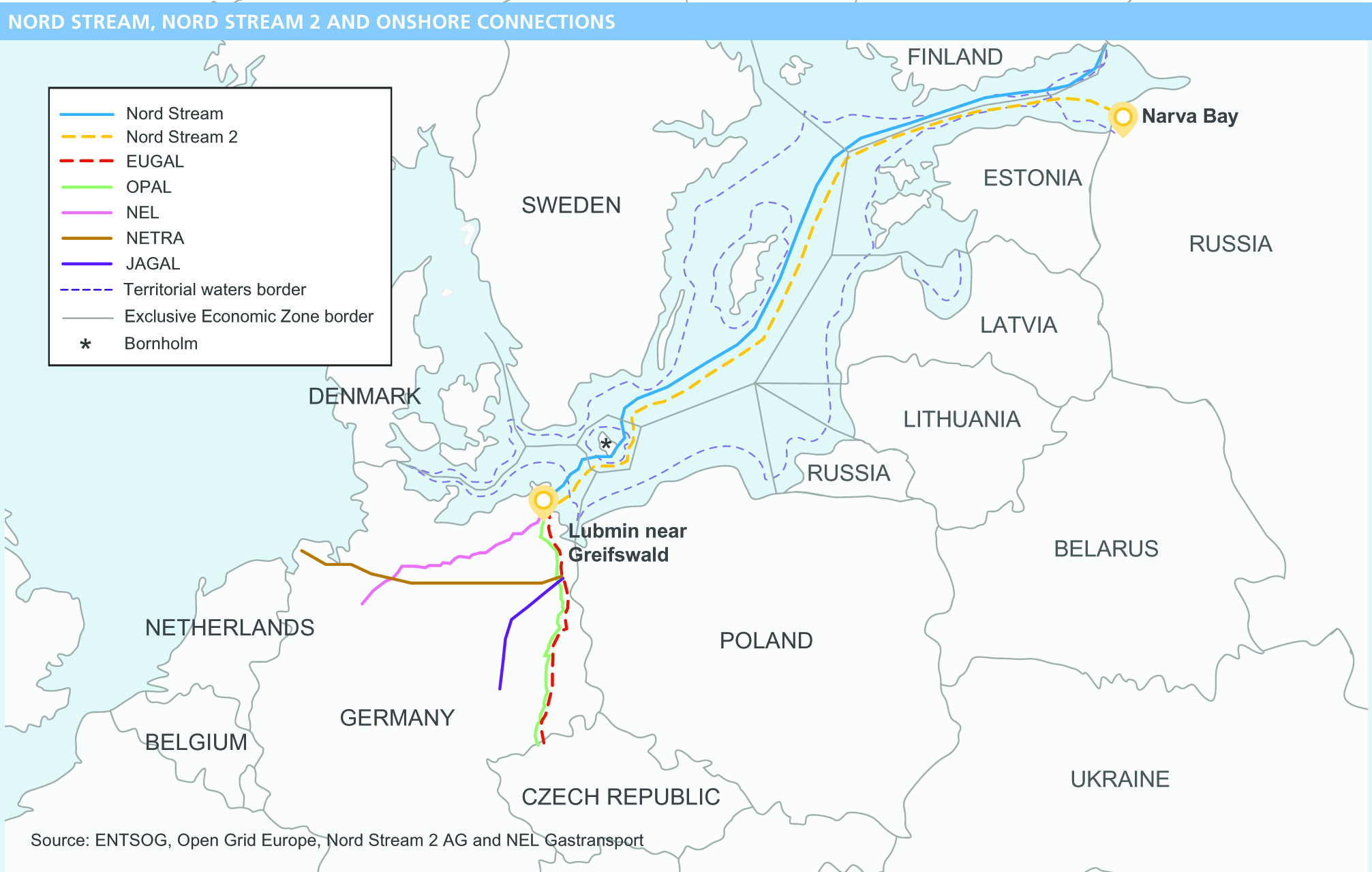
Germany, being Russia’s biggest gas customer, has vehemently tried not to let the Nord Stream 2 get in the way of its alliance with the United States, as if energy security and military security are not intertwined.
It is probably a big mistake for Germany to give Russia such power over their energy supplies as energy production is of strategic importance to any industrialized nation in the West. It is also a mistake for the U.S. to depart from a policy of energy independence and being an energy exporter for the same reason. It gives smaller energy-producing countries supplying the U.S. an outsized role in shaping U.S. domestic and foreign policy. This was seen during the Arab oil embargos when Saudi Arabia and other oil-producing countries in the Middle East were able to cut off approximately 25% of U.S. crude oil supplies over our support of Israel.
Essentially, energy production is a weapon used to exert political pressure. Russia, using Nord Stream 2 controls whether Germans can light and heat their homes and fuel their economy, and can cause massive price increases for energy throughout Europe. This gives Russia enormous leverage against NATO beyond Russia’s military capabilities and would make Moscow the center of gravity when it comes to politics on the entire continent. Germany’s tepid response to Russian aggression against Ukraine is most likely a reflection of the current level of influence Russia has over events in Europe.
The U.S. was not alone among Western countries opposed to the pipeline because it would make Europe more reliant on Russia and therefore more inclined to do Russia’s bidding when it was demanded by Moscow. The objections of the U.S. however came without an ongoing commitment to assure that the U.S. would supply Europe’s needs because the environmental lobby in the U.S. actively works to prevent the exploration and use of domestic petroleum resources. U.S Solar and wind-produced electricity cannot be exported to Europe. The Russians need oil and gas exports to fuel their own economy as well and if the U.S. pledged to be Europe’s supplier, countries like Germany could get the Russian energy needle out of their arm with minimal withdrawal symptoms felt as shortages and high prices. It would also slow Russian economic growth and greatly reduce their political clout in Europe.
While the German leader did indicate that he was on the same page with the United States when it came to the Kremlin situation, he has also made his position on the same issue very murky with his refusal to send military aid to Ukraine.
However, both parties did agree that a diplomatic solution to the crisis is the number one priority.
“The bottom line is this: Germany and the U.S. are close friends and reliable partners, and we can count on one another,” Biden reiterated.
As for President Biden making good on the threat to end Nord Stream 2, it most likely would take the form of economic sanctions against Western European companies working on the project. These could be avoided by Russian or Chinese companies taking over the project which have no concern over U.S. sanctions imposed upon them. President Biden could punish countries that draw natural gas from Nordstream by raising tariffs on U.S. petroleum exports to Europe but this risks the perverse incentive of making Europe even more reliant on Russian energy sources at lower prices.








COMMENTS