
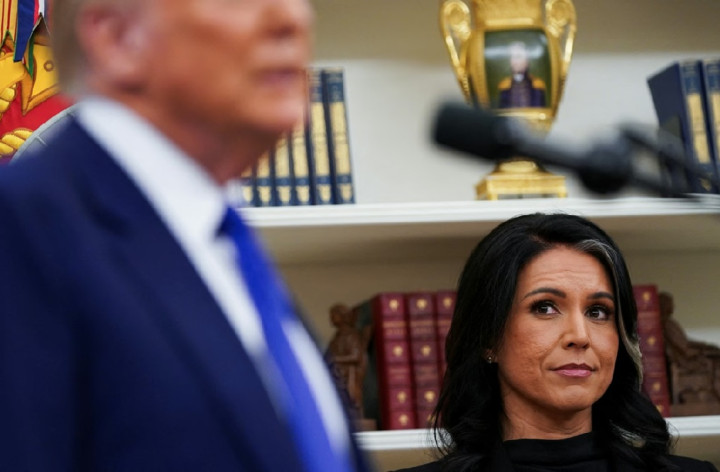
From Trump’s “No New Wars” to No Clear End
“No new wars” carried weight when it constrained someone else. Under current conditions, it has receded. The standard changed. The consequences remain.
530 articles
Latest Europe stories, analysis, and updates from SOFREP.
“No new wars” carried weight when it constrained someone else. Under current conditions, it has receded. The standard changed. The consequences remain.
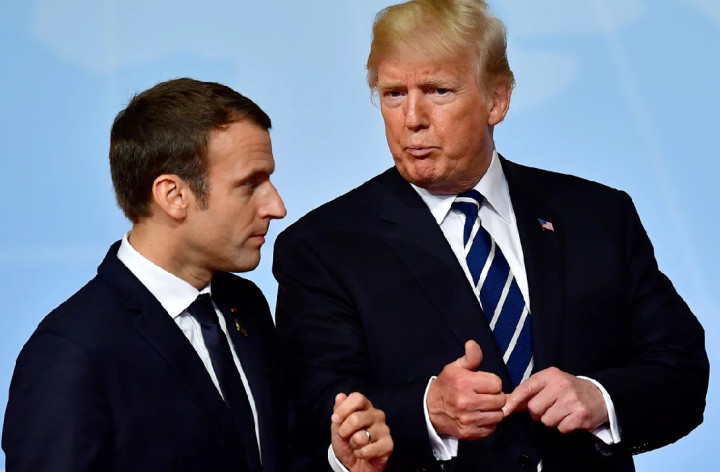
Washington went to war in Iran and then asked its allies for help. The response was cautious and, in many cases, negative. The alliance still stands, but the margin for cooperation has narrowed—and that carries consequences.
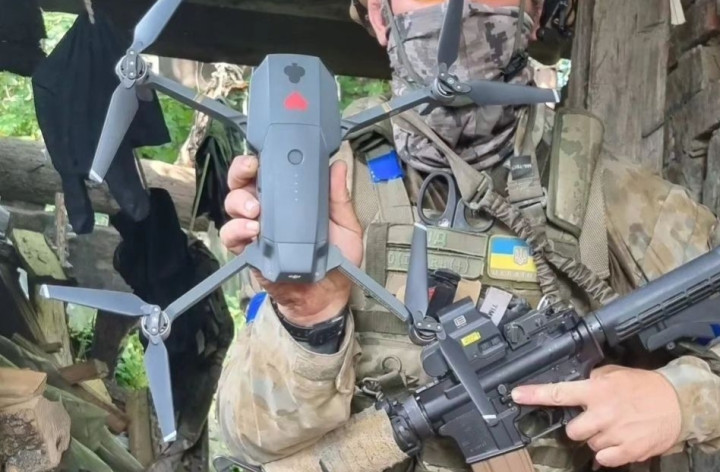
Drone warfare has lowered the barrier to violence. From hobbyist FPV drones to Iranian Shahed loitering munitions, the technology now raises difficult questions about how far modern conflict can reach.

The terror threat in the United States is back in the conversation. A GWOT veteran offers practical advice on staying alert without living in fear.
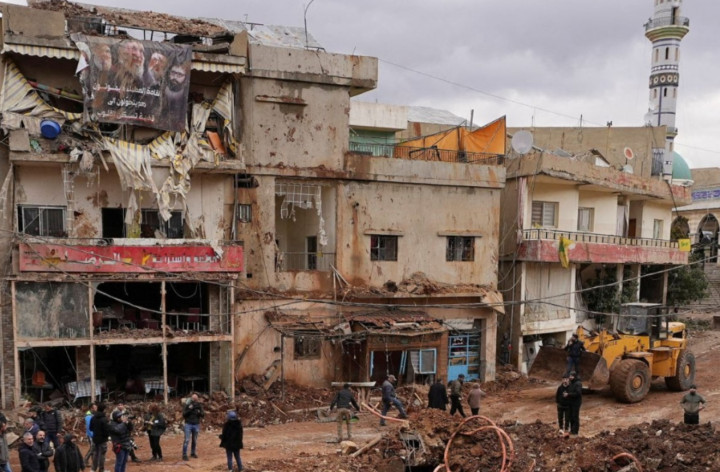
The war with Iran is producing ripple effects across the Middle East and global markets. U.S. diplomats are evacuating Gulf posts, Israeli strikes expand into Lebanon, oil prices surge, and Kurdish leaders warn against opening another front as Washington pushes new alliances abroad.
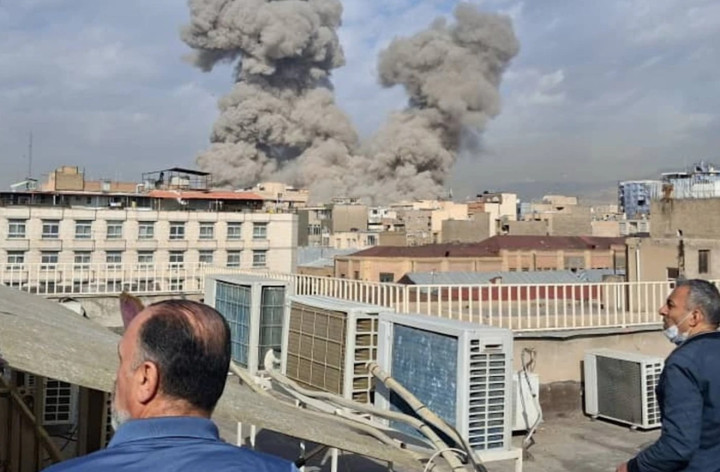
Israeli and U.S. airstrikes across Iran intensify as the conflict spreads into Lebanon and Azerbaijan, disrupts Gulf aviation and shipping routes, exposes divisions among NATO allies, and coincides with renewed U.S.–Venezuela diplomatic and energy negotiations.
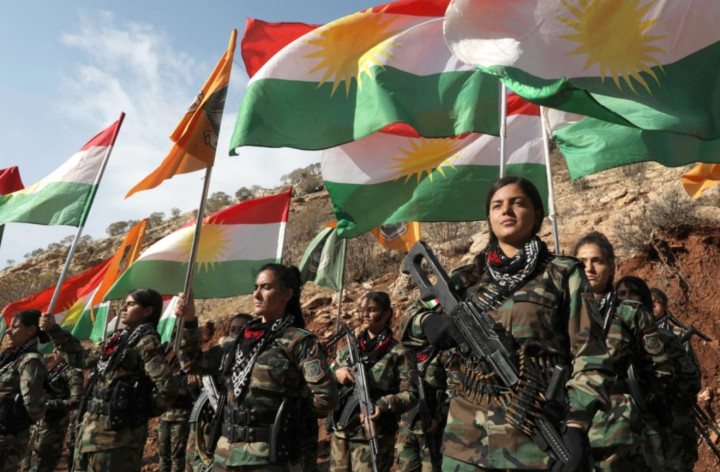
U.S. discussions with Iranian Kurdish forces highlight possible ground ops; Asian stocks slump on oil shock; Russia feels rising diplomatic pressure amid widening Iran conflict.
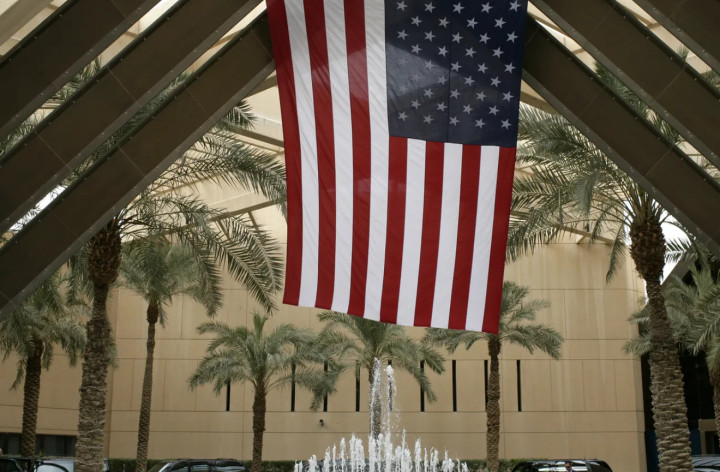
A fire at the U.S. Embassy in Riyadh amid expanding Israeli strikes on Iran highlights rising regional risk, while Russia records its slowest advance in Ukraine since 2024, signaling strain across two active conflict theaters.

A reader’s recommendation led me to revisit Charles Mackay’s Extraordinary Popular Delusions & The Madness of Crowds, and the book offers a powerful framework for understanding how financial pressure and crowd psychology are driving the current turmoil surrounding Iran’s collapsing rial.
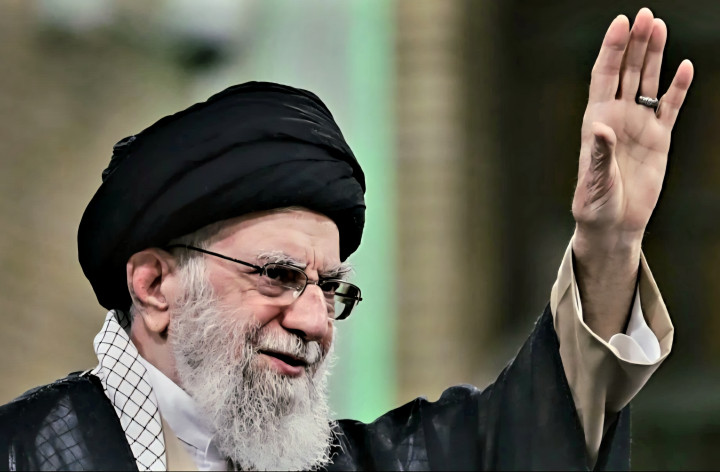
From reported strikes on Ali Khamenei’s compound to ballistic missile salvos arcing over Tel Aviv and Gulf bases bracing under drone swarms, Operation Epic Fury has ignited a multi-domain fight stretching from Tehran to the Red Sea, where confirmation is scarce, interceptors are finite, and the next 24 hours will decide whether this becomes a decapitation strike or the opening phase of a regional systems war.
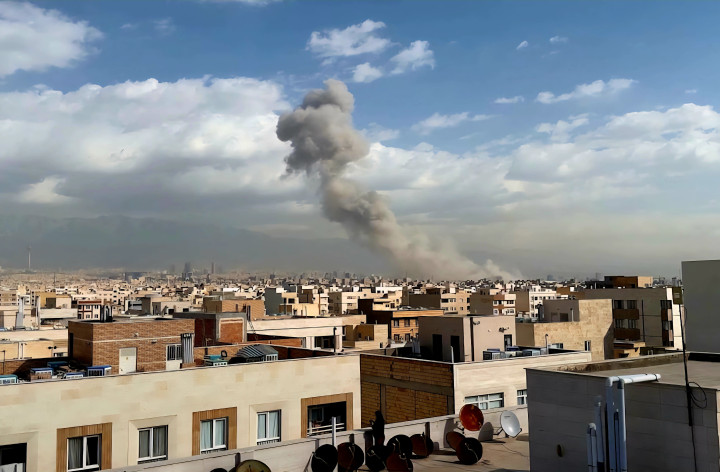
The United States and Israel launched coordinated strikes on Iran targeting senior leadership and military infrastructure, as Tehran responded with missile attacks on Israel and Gulf states hosting U.S. forces, expanding the conflict across the region.
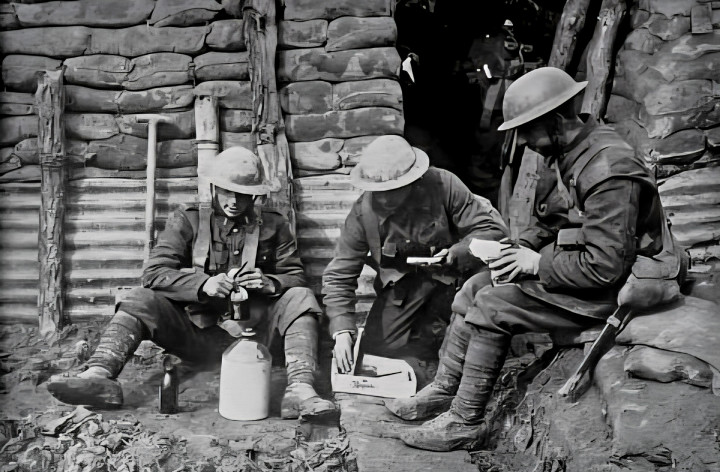
During World War I, the Canadian Corps earned a reputation for aggressive trench raiding and tactical deception, using routine and psychological disruption as deliberate tools to unsettle German forces along the Western Front.

Hywell is a premium gear brand specializing in heavy-duty Merino wool boot socks for blue-collar professionals and outdoorsmen. Backed by an ironclad 10-Year Warranty.

Praesidus builds rugged, American-assembled watches inspired by historic military timepieces. Designed for accuracy and tested for endurance, each watch is made for outdoor explorers, everyday adventurers, and anyone who needs reliability when it matters.

SIG Sauer is a world-class firearms manufacturer trusted by military, law enforcement, and responsible civilian shooters, delivering precision-engineered weapons, optics, and training systems while maintaining a strong commitment to veteran hiring, American manufacturing, and the professionals who rely on their gear when it matters most.

FightCamp is an at-home boxing and kickboxing training system built around real technique, structured programming, and measurable performance. Members train with fighters and professional coaches while using connected punch and kick trackers that record volume, speed, and power in every round. The result is training that builds conditioning, skill, discipline, and resilience — all from home, on your schedule.

Essential Provisions Field Fuel® meals [ready-to-eat] & sports nutrition products have been developed with the cleanest, high-quality nutrient and energy-dense ingredients available. Research has shown that the whole food nutrients contained in our products have the ability to help.

Have you ever tried to wear a fleece hoodie in bad weather? We don’t recommend it. That’s why we founded BÆRSkin in 2019 – to create the world’s best outdoor gear that’s just as comfortable at home as it is durable outdoors. “Bad fitting, bulky, and boring” is how we felt about 1000’s of regular fleece hoodies we tested.

If you’re 21 or older and use nicotine or tobacco, charge ahead with Black Buffalo, America’s only credible smokeless tobacco alternative. Black Buffalo dips just like the real thing without the tobacco leaf or stem. Find Black Buffalo in Wawa, Circle K, Sheetz, Love’s, Pilot, Racetrac, and many more retail locations across the United States.

Stay Locked In. No Matter What. NEORON is a brain-boosting beverage built for the mission: sugar-free, crash-free, and engineered for clean, tactical focus through long hours and high-stakes operations. Made for those who grind, stay sharp under pressure, and refuse to fold—if failure isn’t an option, NEORON has your six.