
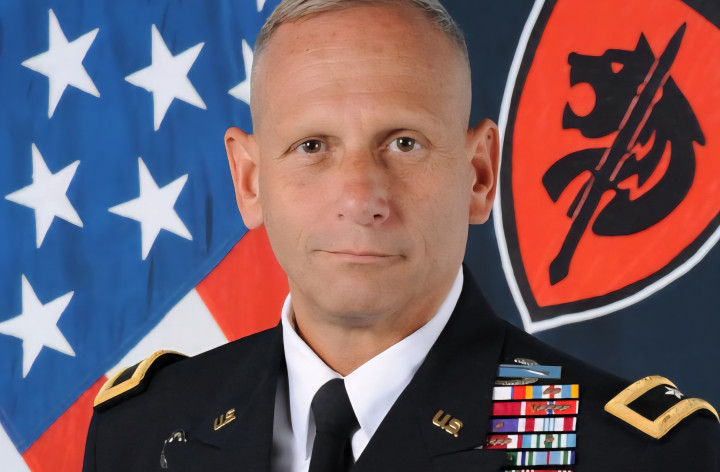
The Bolduc Brief: The Ineffectiveness of Strikes on Iran – An Analysis
Attacking Iran may offer short-term military gains but risks regional escalation, economic shock, and a more defiant Tehran.
729 articles
Latest Middle East stories, analysis, and updates from SOFREP.
Attacking Iran may offer short-term military gains but risks regional escalation, economic shock, and a more defiant Tehran.
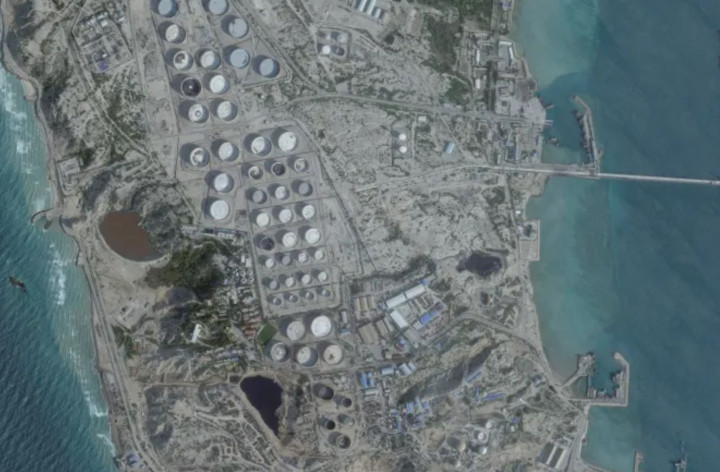
US-Israel strikes escalate conflict with Iran, disrupt global oil flow, and push jet fuel prices higher, hitting travelers worldwide.
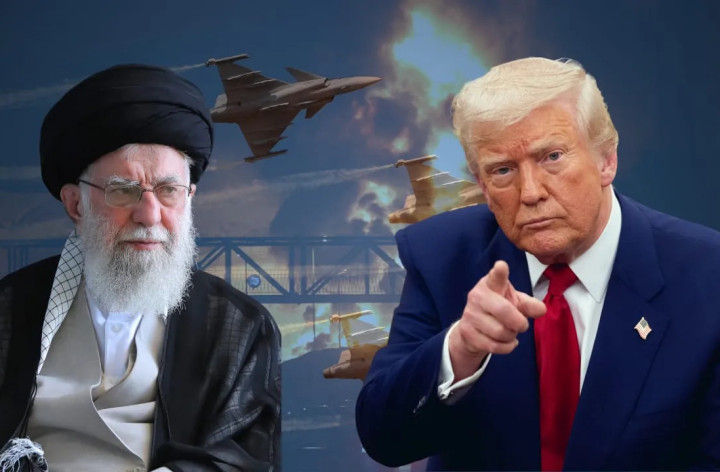
Operation Epic Fury has turned into a regional confrontation with Iran’s Islamic Revolutionary Guard Corps at its core. As the conflict spreads across multiple fronts, President Donald Trump faces the difficult task of weakening an institution designed to survive long wars.
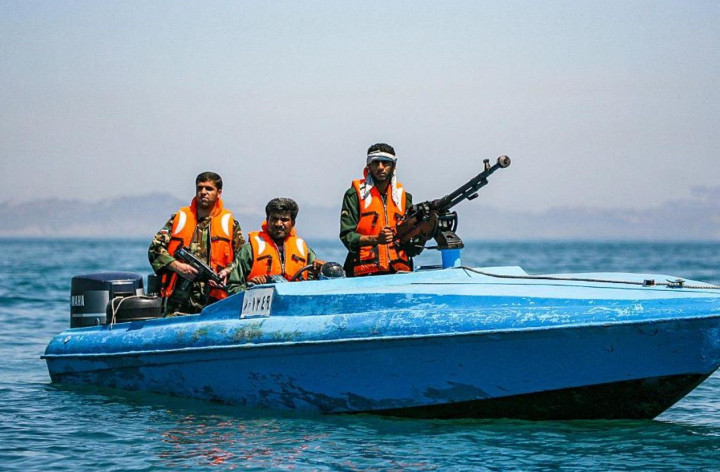
Iran squeezes the world’s oil artery at Hormuz while violence erupts from a Virginia campus to a Michigan synagogue, a reminder that from global chokepoints to quiet American streets, security plans and raw power still decide who walks away when the alarms start screaming.
Foreign leaders can promise freedom all they want, but without a unified opposition, a viable strategy, and conditions that allow Iranians to challenge the regime without being crushed by its security apparatus, talk of imminent liberation is little more than rhetoric detached from reality.
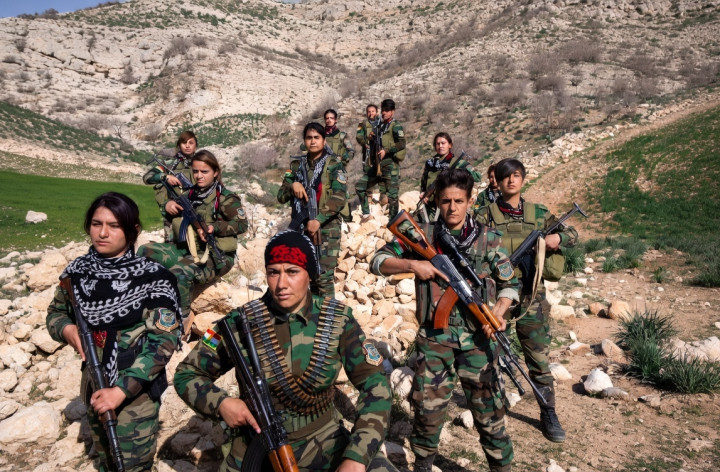
The Iranian resistance is not a single movement. It is fragmented across Kurdish militants, diaspora monarchists, and decentralized protest networks. Understanding who these factions are and what they can actually do matters before assuming airpower can reshape Iran.
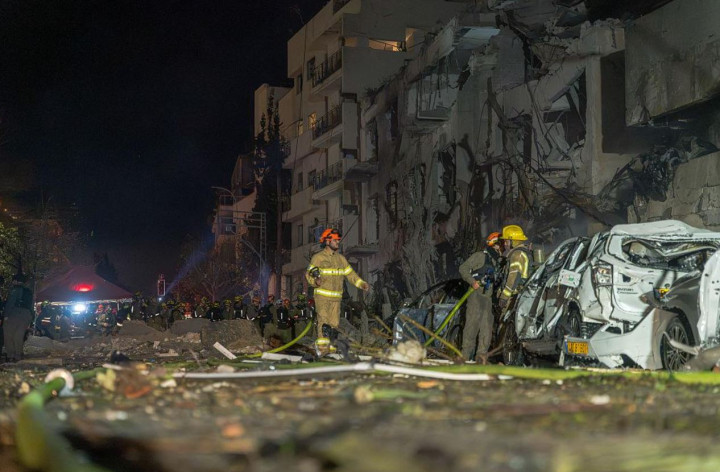
Escalation in the war with Iran is not a future possibility but a present reality, as direct strikes, regional spillover, maritime pressure, and the risk of cyber retaliation show the conflict already climbing the dangerous rungs of Herman Kahn’s escalation ladder.

The terror threat in the United States is back in the conversation. A GWOT veteran offers practical advice on staying alert without living in fear.

Washington says airstrikes are crushing Iran’s ability to retaliate, but with American troops already wounded and Tehran shifting toward a war of endurance that stretches from missile arsenals to the Strait of Hormuz, the conflict may be entering its most dangerous phase.
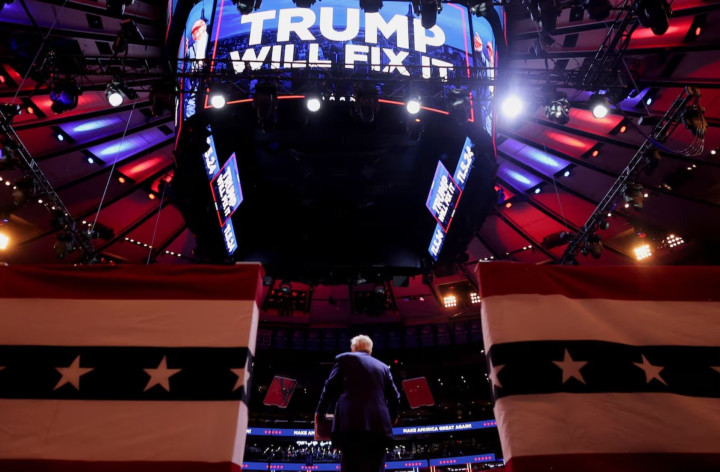
America now resembles the corrupt regimes I spent years observing abroad, where power, money, and loyalty to a single leader have replaced law, accountability, and the democratic balance the Framers intended.
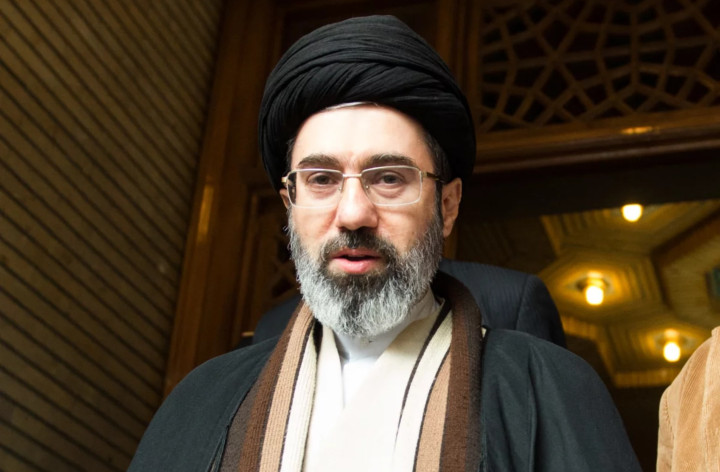
The rise of Mojtaba Khamenei reflects a shift inside the Islamic Republic from clerical authority to security rule. His leadership may strengthen Iran’s hardline institutions while narrowing any remaining path toward diplomacy.
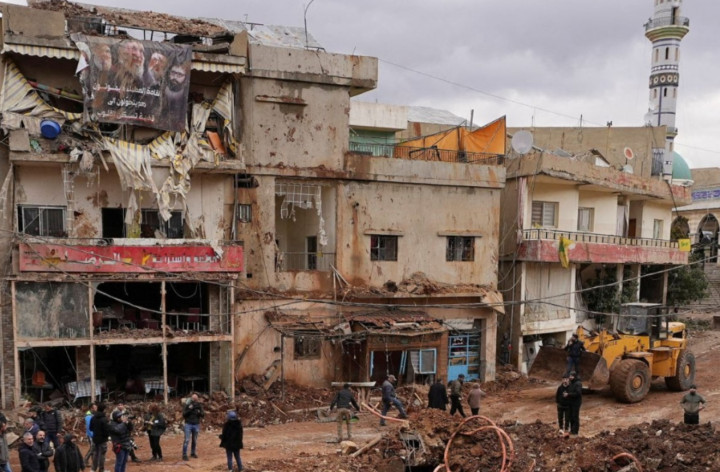
The war with Iran is producing ripple effects across the Middle East and global markets. U.S. diplomats are evacuating Gulf posts, Israeli strikes expand into Lebanon, oil prices surge, and Kurdish leaders warn against opening another front as Washington pushes new alliances abroad.

Hywell is a premium gear brand specializing in heavy-duty Merino wool boot socks for blue-collar professionals and outdoorsmen. Backed by an ironclad 10-Year Warranty.

Praesidus builds rugged, American-assembled watches inspired by historic military timepieces. Designed for accuracy and tested for endurance, each watch is made for outdoor explorers, everyday adventurers, and anyone who needs reliability when it matters.

SIG Sauer is a world-class firearms manufacturer trusted by military, law enforcement, and responsible civilian shooters, delivering precision-engineered weapons, optics, and training systems while maintaining a strong commitment to veteran hiring, American manufacturing, and the professionals who rely on their gear when it matters most.

FightCamp is an at-home boxing and kickboxing training system built around real technique, structured programming, and measurable performance. Members train with fighters and professional coaches while using connected punch and kick trackers that record volume, speed, and power in every round. The result is training that builds conditioning, skill, discipline, and resilience — all from home, on your schedule.

Essential Provisions Field Fuel® meals [ready-to-eat] & sports nutrition products have been developed with the cleanest, high-quality nutrient and energy-dense ingredients available. Research has shown that the whole food nutrients contained in our products have the ability to help.

Have you ever tried to wear a fleece hoodie in bad weather? We don’t recommend it. That’s why we founded BÆRSkin in 2019 – to create the world’s best outdoor gear that’s just as comfortable at home as it is durable outdoors. “Bad fitting, bulky, and boring” is how we felt about 1000’s of regular fleece hoodies we tested.

If you’re 21 or older and use nicotine or tobacco, charge ahead with Black Buffalo, America’s only credible smokeless tobacco alternative. Black Buffalo dips just like the real thing without the tobacco leaf or stem. Find Black Buffalo in Wawa, Circle K, Sheetz, Love’s, Pilot, Racetrac, and many more retail locations across the United States.

Stay Locked In. No Matter What. NEORON is a brain-boosting beverage built for the mission: sugar-free, crash-free, and engineered for clean, tactical focus through long hours and high-stakes operations. Made for those who grind, stay sharp under pressure, and refuse to fold—if failure isn’t an option, NEORON has your six.