
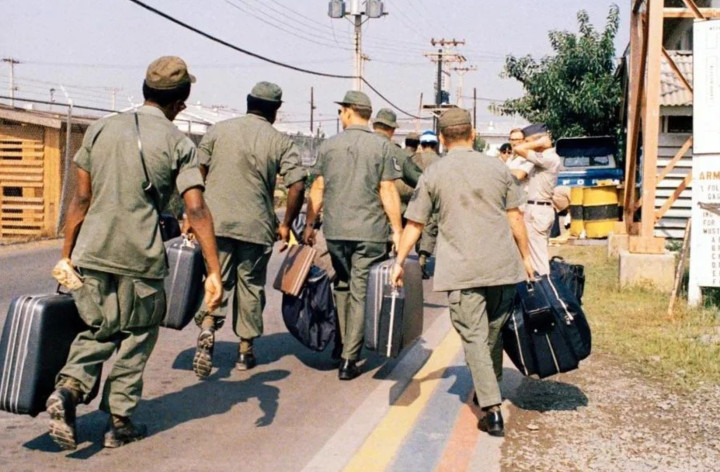
Today in Military History: End of US Combat Role in Vietnam, 1973
March 29, 1973, saw the last US troops leave Vietnam, leaving lessons of war, strategy, and caution that still shape conflicts today.
10,617 articles
Latest Military stories, analysis, and updates from SOFREP.
March 29, 1973, saw the last US troops leave Vietnam, leaving lessons of war, strategy, and caution that still shape conflicts today.
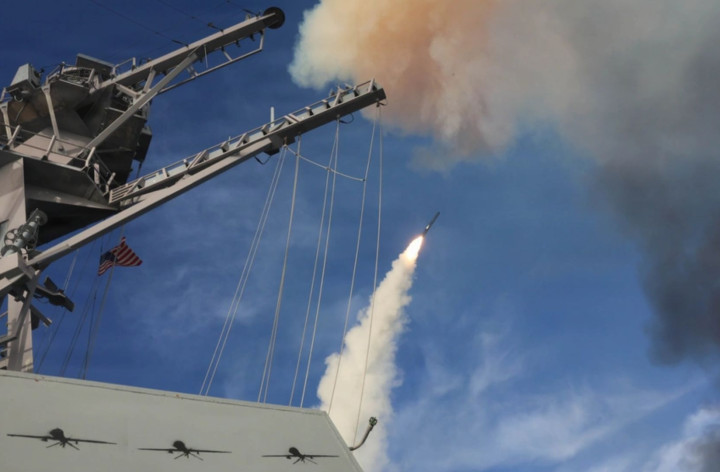
Pentagon and Honeywell boost munitions production, ensuring speed, scale, and readiness amid rising tensions with Iran.
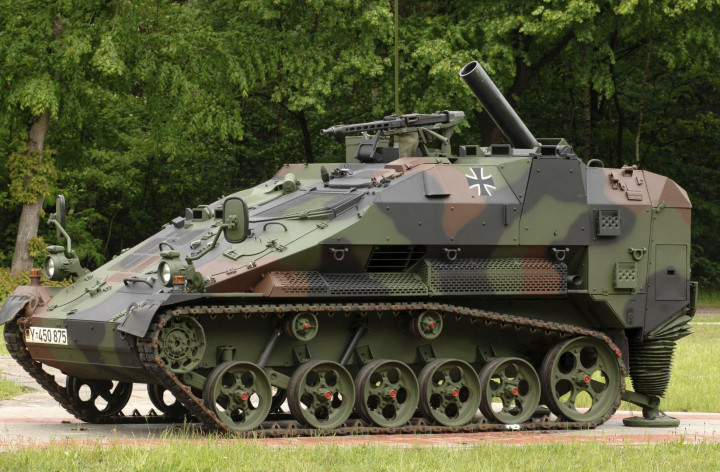
Today’s Pic of the Day features Germany’s Wiesel 2, a lightweight armored mortar providing rapid, mobile, and precise fire support for airborne units.

A passenger jet on final approach and a military Black Hawk crossed paths in controlled airspace, and the only thing separating routine from disaster was a warning tone and a pilot who moved fast enough to listen to it.
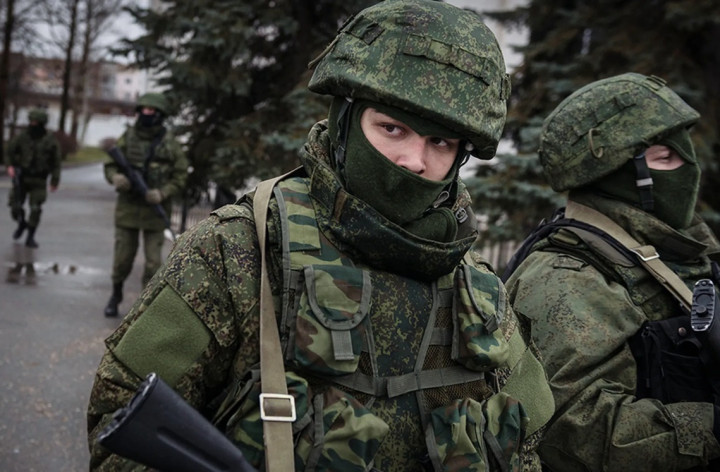
A new form of global conflict is already underway, one that fuses conventional warfare with hybrid tactics, emerging technologies, and sustained economic pressure across multiple theaters. From Ukraine to the Middle East, this post modern war is defined less by decisive battles than by endurance, cost imposition, and strategic simultaneity, raising urgent questions about whether Western militaries and political systems are structured to compete over the long term.
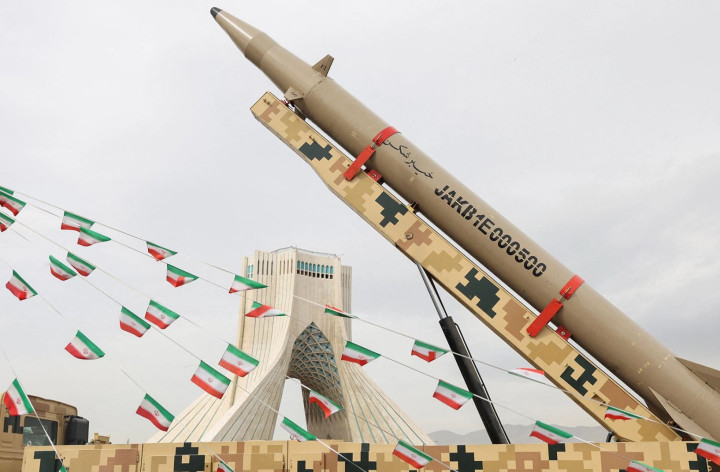
Iran is still launching missiles and pulling triggers, but with its air defenses gutted and its command structure fractured, it is fighting blind and thinking in pieces, which is exactly how wars spin out of control.
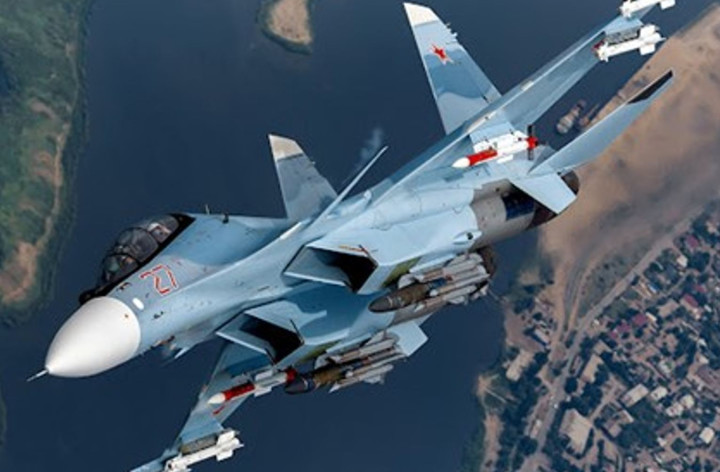
A two-seat predator with upgraded Su-35 guts and enough thrust-vectoring violence to snap a fight in seconds, the Su-30SM2 “Super Flanker” is Moscow’s blunt instrument for owning the sky while dragging a full warload into the kill box.
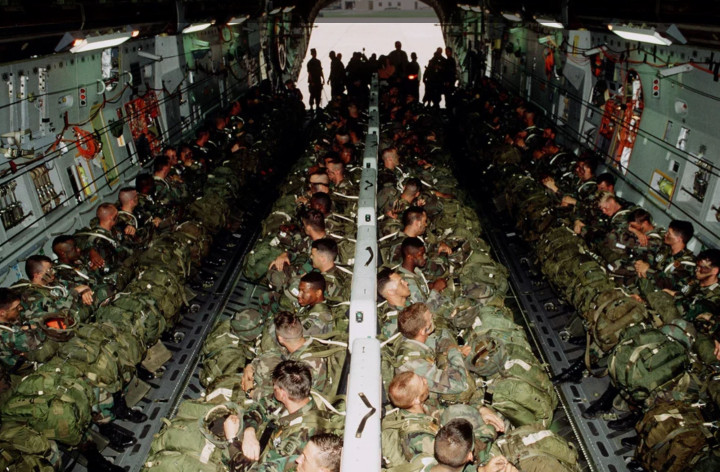
From paratroopers who can be wheels-up in two hours to a war that refuses to end on command to a Chaplain Corps now squeezing hundreds of beliefs into a few dozen boxes, the message is the same, speed, pressure, and control are colliding across every layer of the force.

Back-channel messages are flying, the Strait is being quietly throttled, and while the Pentagon counts targets like yardage, the war keeps moving on its own terms.

A war launched without a defined end state, sold through metrics and bravado, and blind to an enemy that measures time in generations rather than news cycles, is not a path to victory but a slow-motion admission of strategic failure.
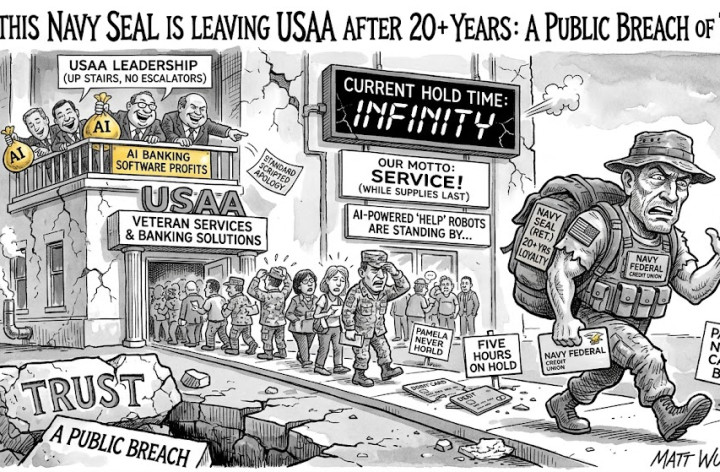
After six weeks of system errors, ghosted “resolutions,” and a debit card that arrived already expired, I finally cut away from USAA and accepted that the machine isn’t broken, it’s just not built to save you.
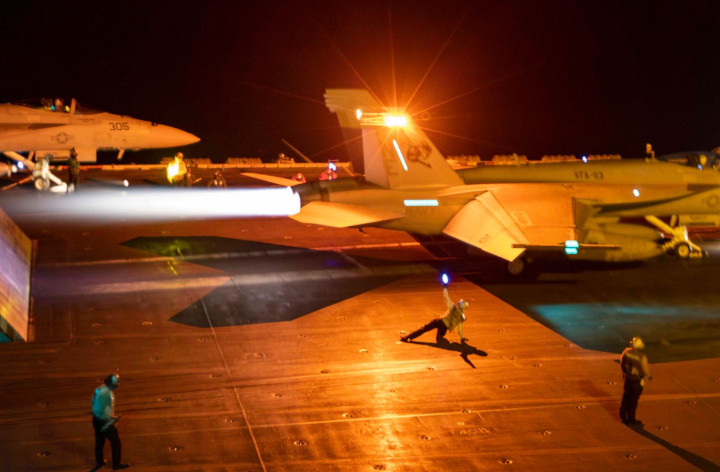
Ukraine grinds forward without breaking while Operation Epic Fury exposes the limits of airpower, leaving a quiet question hanging over both wars: what happens when the fight reaches a point that only boots on the ground can solve.

SIG Sauer is a world-class firearms manufacturer trusted by military, law enforcement, and responsible civilian shooters, delivering precision-engineered weapons, optics, and training systems while maintaining a strong commitment to veteran hiring, American manufacturing, and the professionals who rely on their gear when it matters most.

FightCamp is an at-home boxing and kickboxing training system built around real technique, structured programming, and measurable performance. Members train with fighters and professional coaches while using connected punch and kick trackers that record volume, speed, and power in every round. The result is training that builds conditioning, skill, discipline, and resilience — all from home, on your schedule.

Barrett is the world leader in long-range, large-caliber, precision rifle design and manufacturing. Barrett products are used by civilians, sport shooters, law enforcement agencies, the United States military, and more than 75 State Department-approved countries around the world.

Hywell is a premium gear brand specializing in heavy-duty Merino wool boot socks for blue-collar professionals and outdoorsmen. Backed by an ironclad 10-Year Warranty.

Praesidus builds rugged, American-assembled watches inspired by historic military timepieces. Designed for accuracy and tested for endurance, each watch is made for outdoor explorers, everyday adventurers, and anyone who needs reliability when it matters.

Essential Provisions Field Fuel® meals [ready-to-eat] & sports nutrition products have been developed with the cleanest, high-quality nutrient and energy-dense ingredients available. Research has shown that the whole food nutrients contained in our products have the ability to help.

Have you ever tried to wear a fleece hoodie in bad weather? We don’t recommend it. That’s why we founded BÆRSkin in 2019 – to create the world’s best outdoor gear that’s just as comfortable at home as it is durable outdoors. “Bad fitting, bulky, and boring” is how we felt about 1000’s of regular fleece hoodies we tested.

If you’re 21 or older and use nicotine or tobacco, charge ahead with Black Buffalo, America’s only credible smokeless tobacco alternative. Black Buffalo dips just like the real thing without the tobacco leaf or stem. Find Black Buffalo in Wawa, Circle K, Sheetz, Love’s, Pilot, Racetrac, and many more retail locations across the United States.