

With his three guilty verdicts now behind us, Chauvin’s appeal process is what will likely move to the forefront of the daily news cycle.
Derek Chauvin’s Best Prospects for Appeal
Different standards for an appeal are based on the type of decision originally made in the case. Evidentiary decisions made by a judge can only be appealed and overturned if it can be proven that the judge clearly abused his discretion. Other issues, such as those of constitutional magnitude, require an independent review by the Appellate Court.
I believe Chauvin has a few different potential pathways to an appeal:
- Evidentiary decisions
- Constitutional issues
- Change of Venue Denial
- Admitted testimony by fact witnesses that was unfairly prejudicial
- Expressed bias not being a barrier to jury selection for some jurors
First, appeals for evidentiary decisions or constitutional issues are so varied that I won’t guess what Chauvin’s defense team decides to try. Let’s just say, the option is there if they find issues they believe are relevant to that path.
Second, there is the fact that the presiding judge, Judge Cahill, denied the defense’s Change of Venue request. To me, there is significant evidence as to why a different venue would’ve helped ensure a fair trial. Typically, it is appropriate to be tried in the area in which you committed an offense. But I think in a case of this magnitude it was an unwise decision if equity was the goal.
If throwing Chauvin to the wolves, regardless of the evidence, was the goal, then Minneapolis was the perfect trial setting. If not, it was quite literally the worst place for Derek Chauvin to have faced a jury of his (seemingly very biased) peers.
The Case of Representative Waters
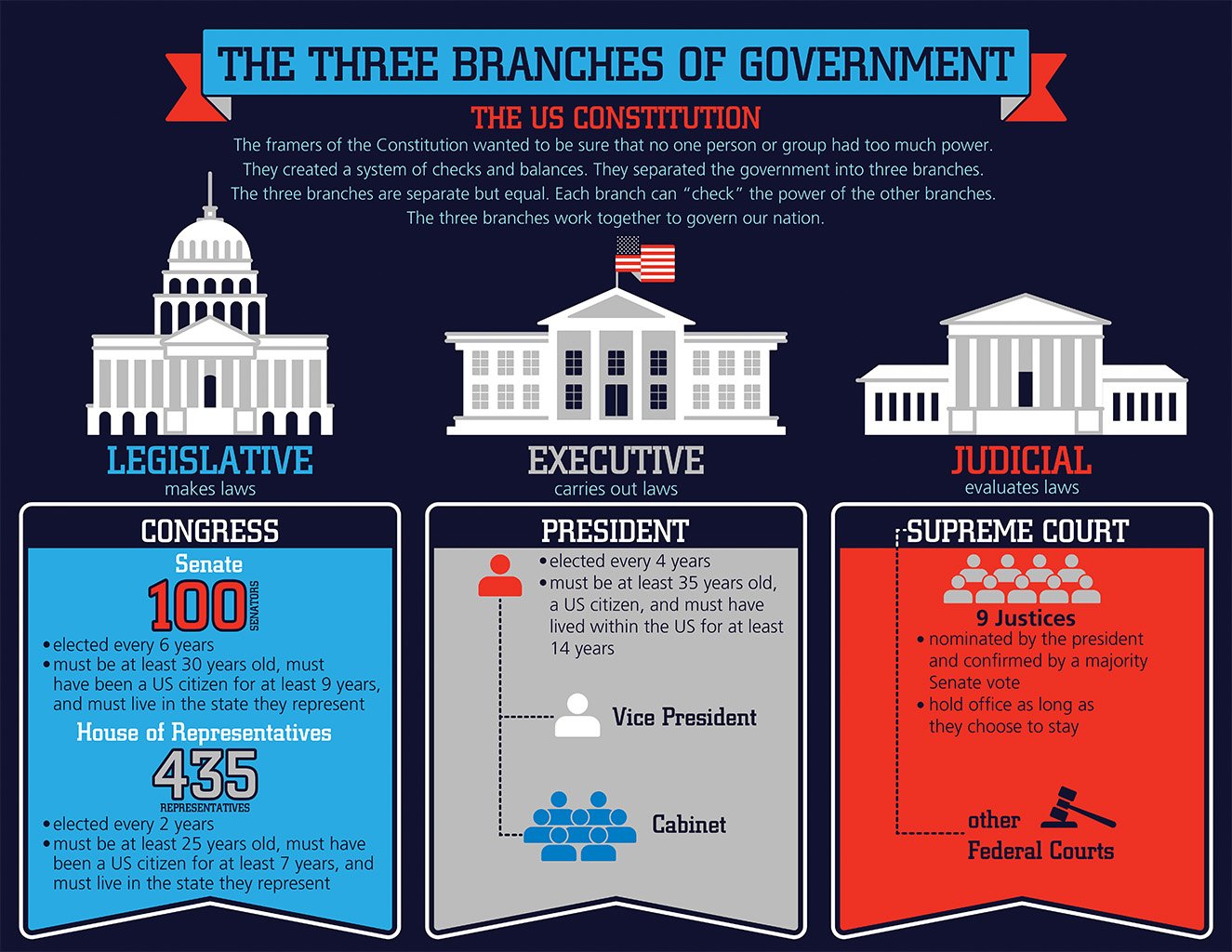
For one, jurors had significant pressure placed on them by elected officials such as U.S. Representative Maxine Waters.
U.S. Representative Waters said people should “get more confrontational” if Chauvin isn’t convicted of all three charges.
Judge Peter A. Cahill said of U.S. Representative Waters’s comments:
“I wish elected officials would stop talking about this case; especially in a manner that is disrespectful to the rule of law and to the judicial branch and our function. I think that they want to give their opinions they should do so in a respectful manor that is consistent with their oath and the Constitution.”
“Their failure to do so is abhorrent, but I don’t think it has prejudiced this with additional material that would prejudice this jury; they have been told not to watch the news and I trust they are following those instructions.”
Were the Jurors Following the Judge’s Instructions?
Really? The judge simply “trusts” that the jurors are following his instructions not to consume media from home? In 2021, it is nearly impossible to pick up an electronic device and not be influenced to some degree about this case. Judge Cahill spoke about the jurors being influenced through television. If we were in 1977 that would be a relevant point. Nowadays, though, Facebook, Twitter, Instagram, TikTok, YouTube, and nearly every other app people interact with daily is riddled with both news and propaganda regarding this case.
For the jurors not to have been prejudiced would have required them to be in a house by themselves without access to electronic devices, television, or newspapers. I think an appeal becomes an option because the judge didn’t appropriately sequester the jurors to protect them from outside influence. Additionally, each juror would have almost certainly witnessed the protests that were occurring at the courthouse daily. To me, that is influence as well. At the very least, it is influence taking the form of pressure.
Parenthetically, I wonder if the defense team could gain a court order for a search warrant of the electronic devices present in each jurors’ home. The search warrant’s scope could be from the day the trial began until the verdict was rendered. The evidence gained from that type of warrant would make it clear whether the jurors “followed instructions” and abstained from media sources.
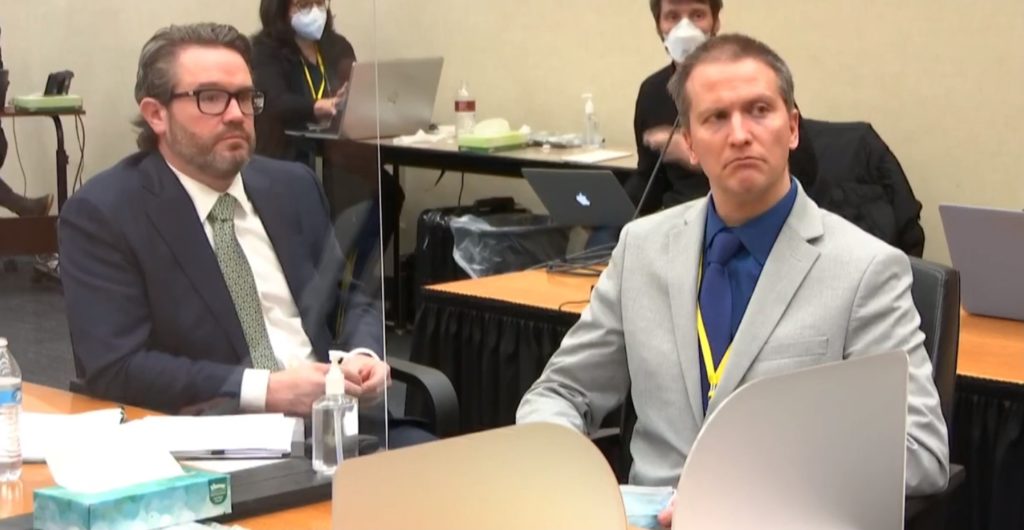
Following his scolding of elected officials meddling in a judicial hearing, Judge Cahill said that if a guilty verdict was returned by the court Waters’ comments may be grounds for an appeal.
The Jury Was Tainted From the Very Beginning
It is clear some politicians weren’t impartial. But I also think there is a legitimate question as to whether the jury was. I seem to constantly be attending training seminars about the implicit biases that exist within each of us. Yet, the bias, in this case, went deeper than that. There were widely reported incidents of explicit bias in the jury pool. Typically, this would immediately cause a potential juror to be dismissed. In more than one case of overt explicit bias, however, the potential juror was admitted to the jury.
For example, during jury selection, some of the jury members said they already had a negative opinion about what had happened to Floyd. As reported by ABC News one new juror said,
“The event did not need to end in death.” He added that he has a “very favorable” view of the Black Lives Matter (BLM) movement. BLM was behind many of the nationwide protests calling for justice for Floyd. “They do matter, and I don’t know why anyone would be against that,” the juror said. Furthermore, he said that he believes the U.S. criminal justice system is biased against minorities. “I do believe there is a systematic issue at hand and I wish our country and world would get better at that.”
A new juror also said that a friend of his, “is a forensic scientist for the Minnesota Bureau of Criminal Apprehension, is on a list of nearly 400 potential witnesses in the case.” This seems like a clear conflict of interest.
Furthermore, ABC News reported in March 2021 that a second new juror “acknowledged writing that he had a ‘somewhat negative’ view of Chauvin based primarily on the video of Floyd being taken into custody.” But he claimed he could “set aside his personal beliefs and render a verdict based solely on the evidence presented in court.”
Additionally, this new juror “discussed the incident with his wife and shared with her that he felt it could have been him.”
“It could have been anybody… I used to live not far from that area, it could be anybody,” he said.
The Jury Members Were in a No-win Situation
Typically, if someone shows an “expressed bias” about a case, then they would immediately be removed from the potential pool of jurors. In this case, they were welcomed with open arms and lauded for their ability to be impartial. Imagine what the outcome would’ve been if a potential juror had come in and said “I believe Chauvin is innocent and I doubt that will change, but sure I’ll be impartial.” We all know. He’d be a goner.
Beyond implicit and explicit biases, the jury members really were in a no-win situation. If you listen to the facts and find Chauvin innocent you risk great bodily injury to you and your family. You can just assume that your house will cease to exist courtesy of a “large, subdivision bonfire” held at your address.
In case you were a minority on the jury and voted to acquit Derek Chauvin you’d be labeled a “traitor” by some and an “Uncle Tom” by others. You would likely be demonized at work and you’d constantly have a fear of being attacked because of your jury service and decision.
The Difference Between Fact and Sentencing Witnesses
Finally, there was an incredible amount of evidence provided by fact witnesses that simply never should have been allowed to be admitted. Fact witnesses are there to provide first-person factual accounts of the events they witnessed, things they saw, sounds or words they heard, etc.
Fact witnesses are very different than sentencing witnesses. The former are not allowed to operate in the emotional area of testimony. Statements like, “It was so traumatic to me” or “George Floyd looked just like my uncle” or “I was so distraught” are not allowed into evidence because they risk being unfairly prejudicial to the jury. Such witnesses are only supposed to be providing factual testimony that is of evidentiary value. There was significant fact-witness testimony that should have never been allowed into evidence because it was unfairly prejudicial.
If it is proven that there was no misconduct in the trial and that the proceedings against Derek Chauvin were held completely above-board, then I will accept the verdict as a matter of fact. But only time will tell.
Editor’s Note: This article was written by a federal law enforcement officer who wishes to remain anonymous.








COMMENTS