

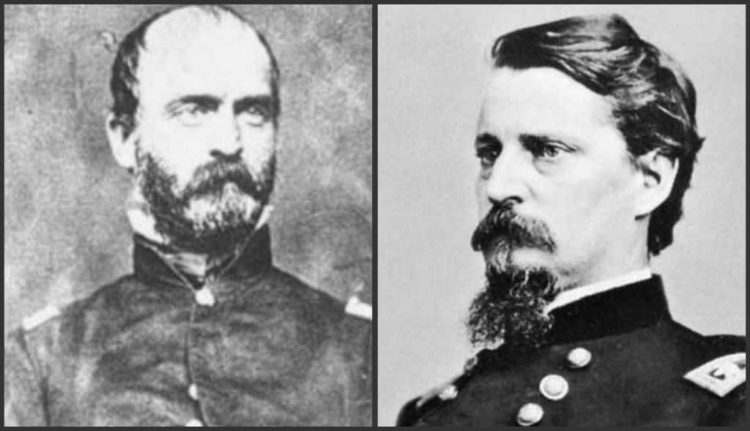
Bonded as soldiers
Armistead and Hancock worked together and became friends while serving as part of a small group of 15 officials at a remote frontier post for 16 months before being transferred to another remote Oklahoma post, Fort Washita, with a much smaller crew of four.
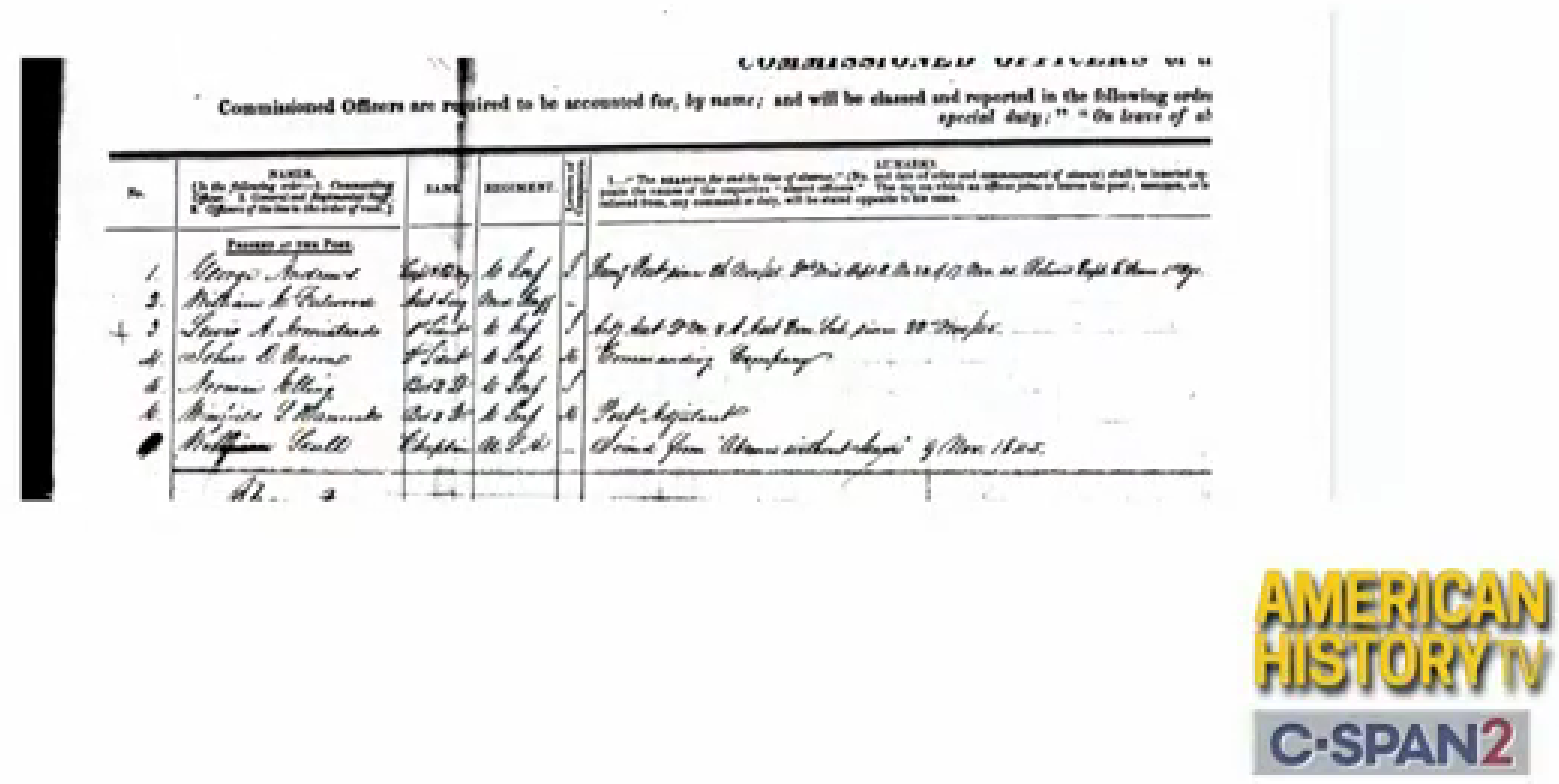
The two men arrived at different times and places to fight in the Mexican War of 1846. Despite this, they were assigned to the same unit, the 6th infantry. Armistead commanded a small army under the infantry and had Hancock and another West Point alumnus, Henry Heath, as his lieutenants.
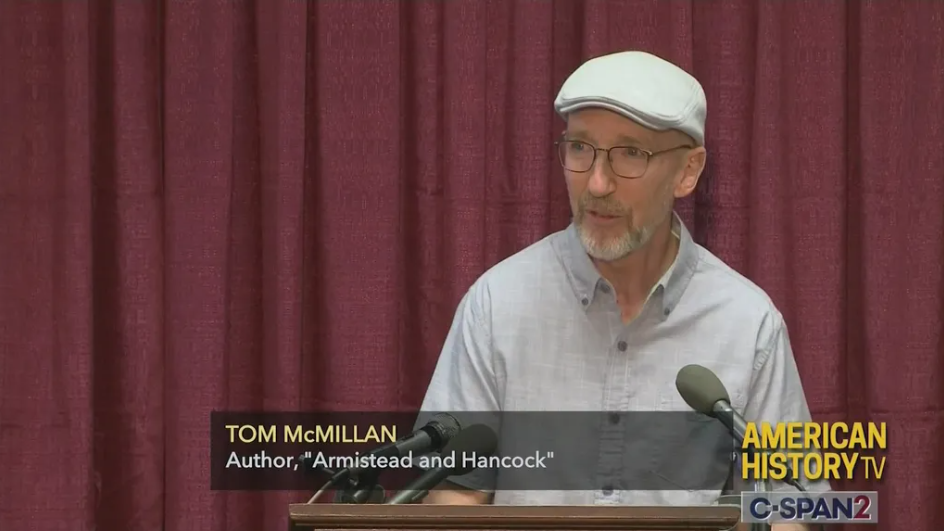
Looking into Heath’s memoir, McMillan has confirmed the relationship between the two. Heath stated, “Armistead, Hancock, and I were messmates, and never was a mess happier than ours,” proving that these guys were hanging out. However, since Armistead was older, the latter duo hung out more and, in a way, had a closer relationship than Hancock is to Armistead, “at least socially,” McMillan noted.
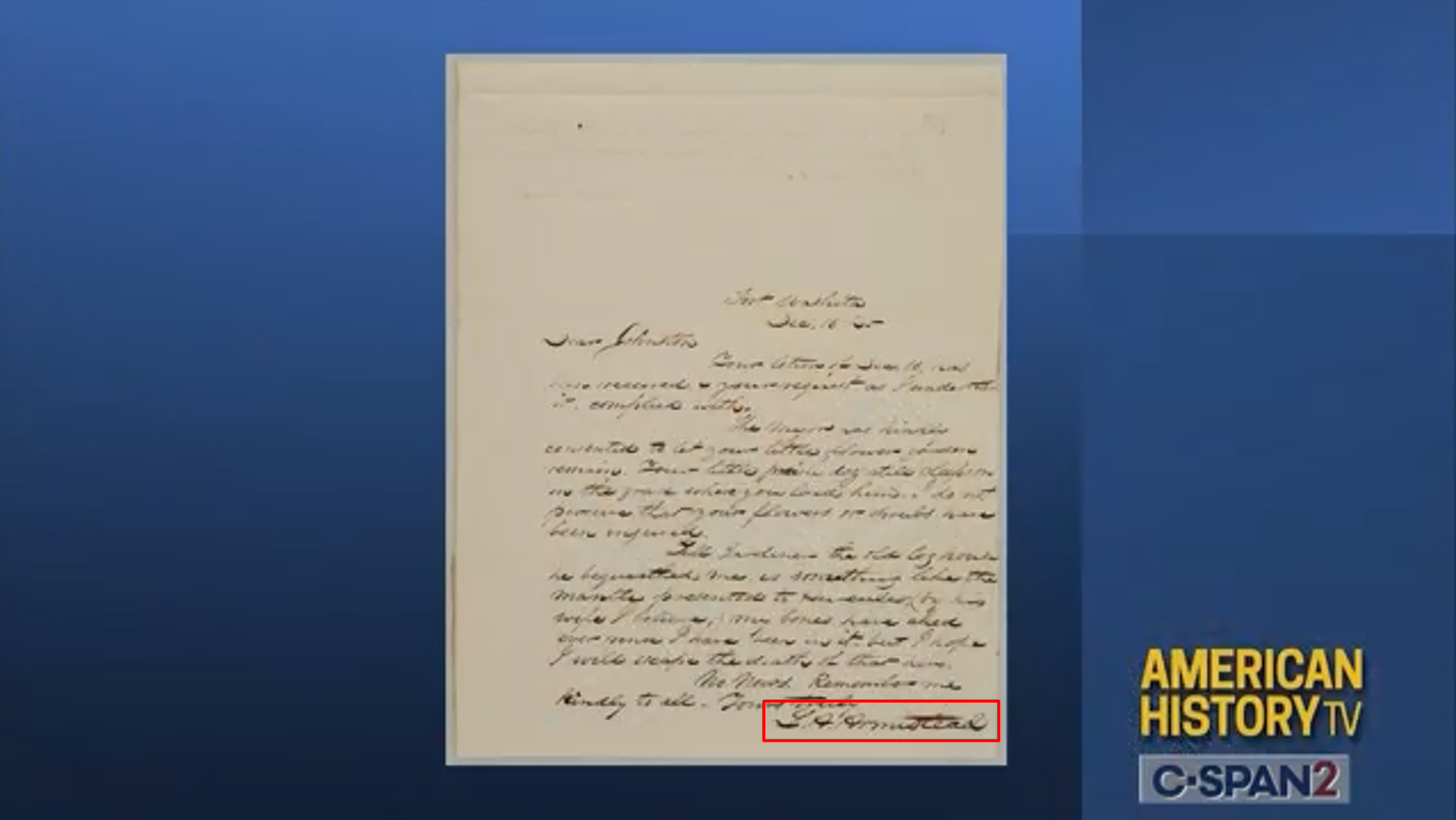
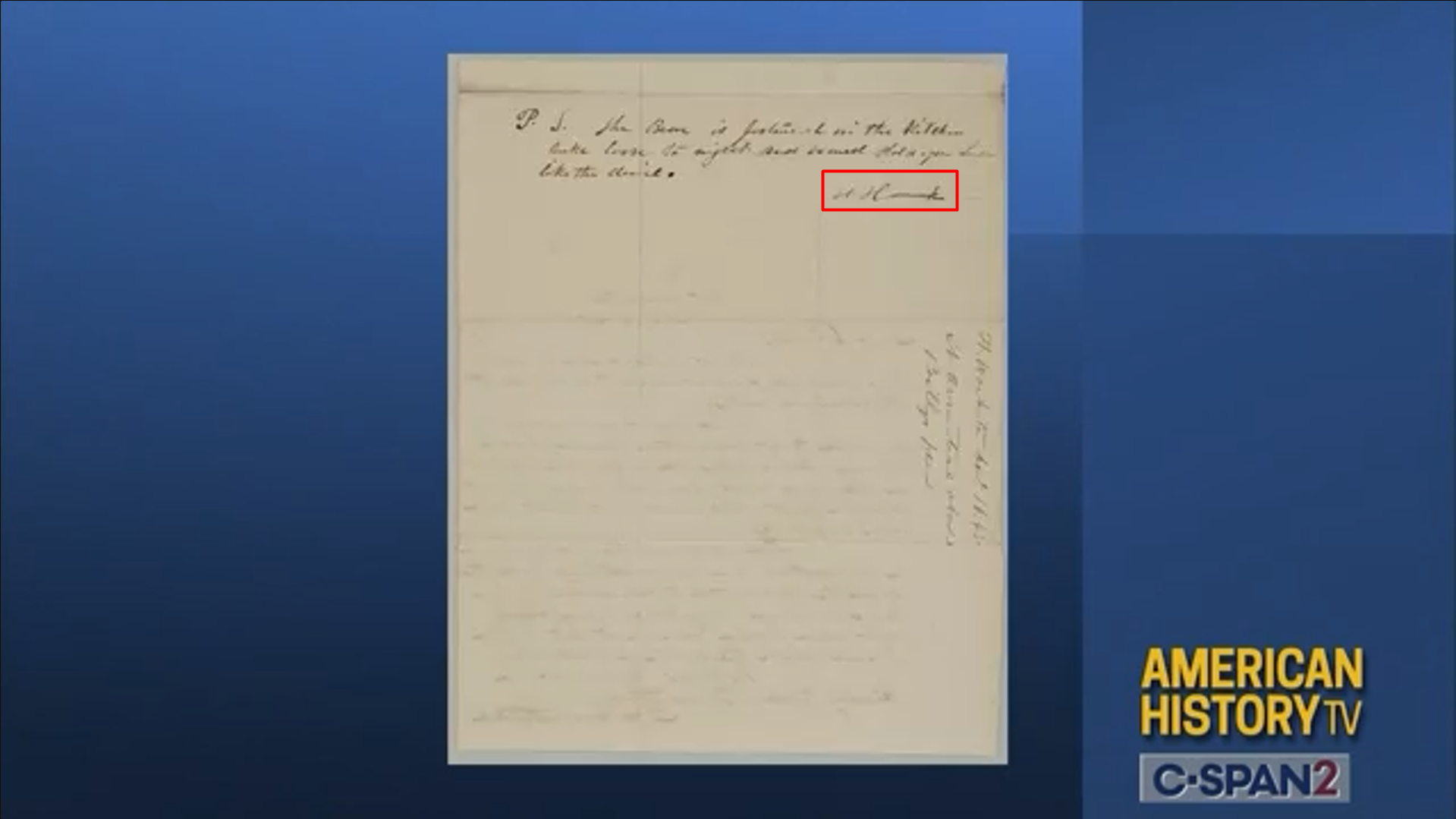
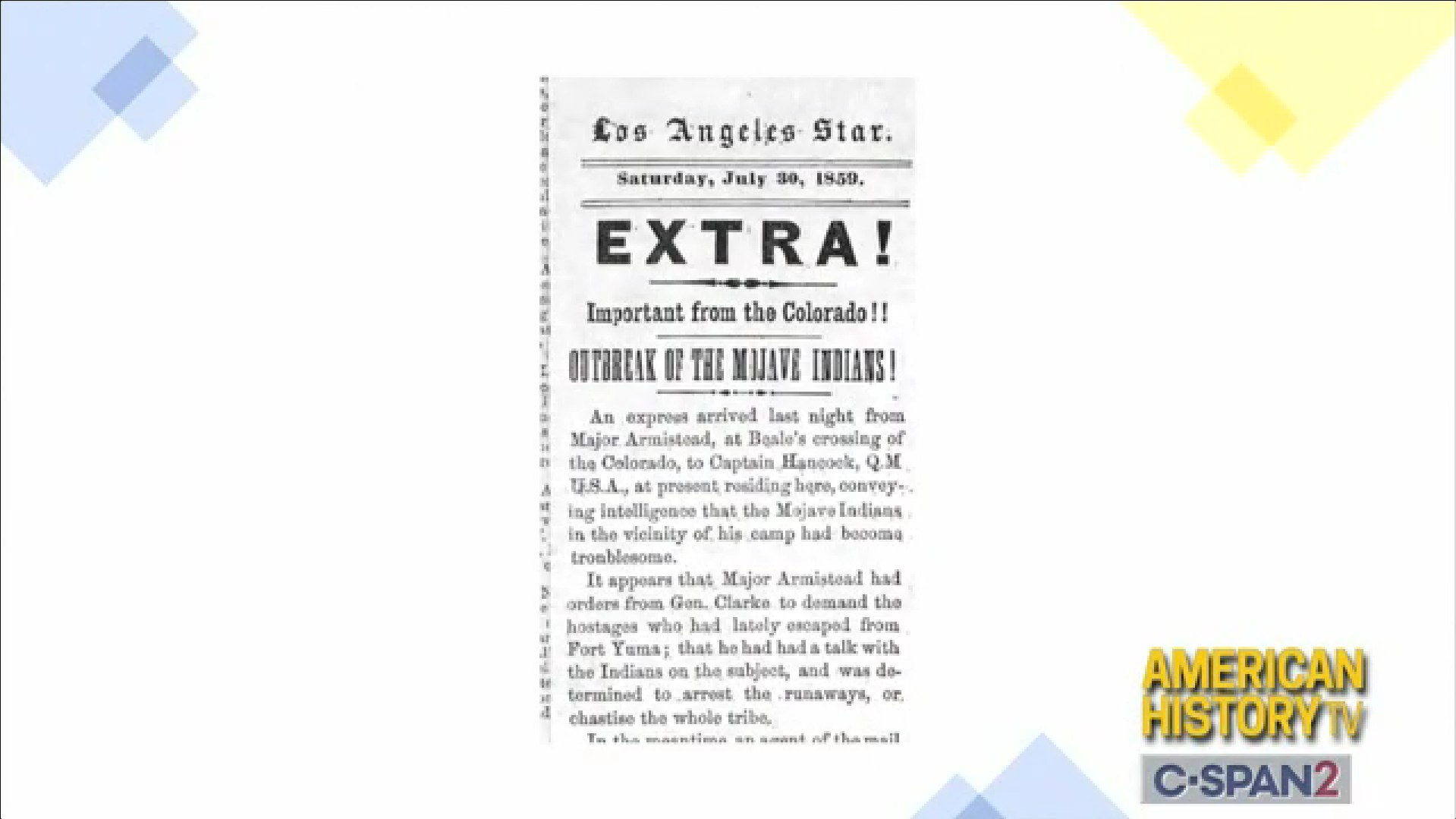
After the Mexican War, Heath and Hancock were transferred to Jefferson Barracks in St. Louis, where the latter bachelor met his future wife, Almira Russell Hancock. Armistead would not see Hancock again until the late 1850s when the 6th infantry assembled for a 1,000-mile march to the west coast. They would have the opportunity to catch up for a few weeks before parting ways again when Armistead was sent to Arizona to deal with some pesky Mojave Indians, while Hancock went to a small west coast town in Los Angeles to serve as a quartermaster. Nonetheless, the two kept in touch, as Hancock’s job was to support Armistead’s troops.
Soon after diffusing the fuss over Arizona, Armistead was granted an extended vacation, which he spent most of with his mother and son, Keith. During his leave, he reconnected with old friends and met Turner Ashby Jr., a future Confederate cavalryman who lived just a few blocks away from his home in Virginia. Ashby was the commander of a militia unit, the same team that participated in the John Brown raid on Harpers Ferry.
“Ashby’s men were there when Brown was hanged,” McMillan said.
Ashby also informed Armistead of what was going on in the country, but because he had been at home for so long, the latter didn’t fully grasp the gravity of the situation. So instead, just nine months before the Civil War, he told Ashby to stop thinking negatively and sang the Star-Spangled Banner to him.
Armistead was assigned to San Diego, California, a hundred and twenty miles south of Hancock’s post, upon his return in late December 1860.
According to Almira’s book, during that period, “a lot of southern-born soldiers, including Armistead, went to Hancock for advice as he was a well-respected officer.” But his husband didn’t have much advice for them, saying:
“I cannot give you no advice, as I shall not fight upon the principle of State rights, but for the Union whole and undivided …I cannot sympathize with you; you must be guided by your own convictions, and I hope you will make no mistakes.”
As he was not an abolitionist, Hancock’s decision to fight for the Union was a no-brainer for him.
It was a different case for Armistead, though. The native Southerner has a tough decision to make. And with the passing of his two wives and two out of three children, the army has become his family—”his brother and arms.” To put it simply, Armistead fought for the Confederacy.
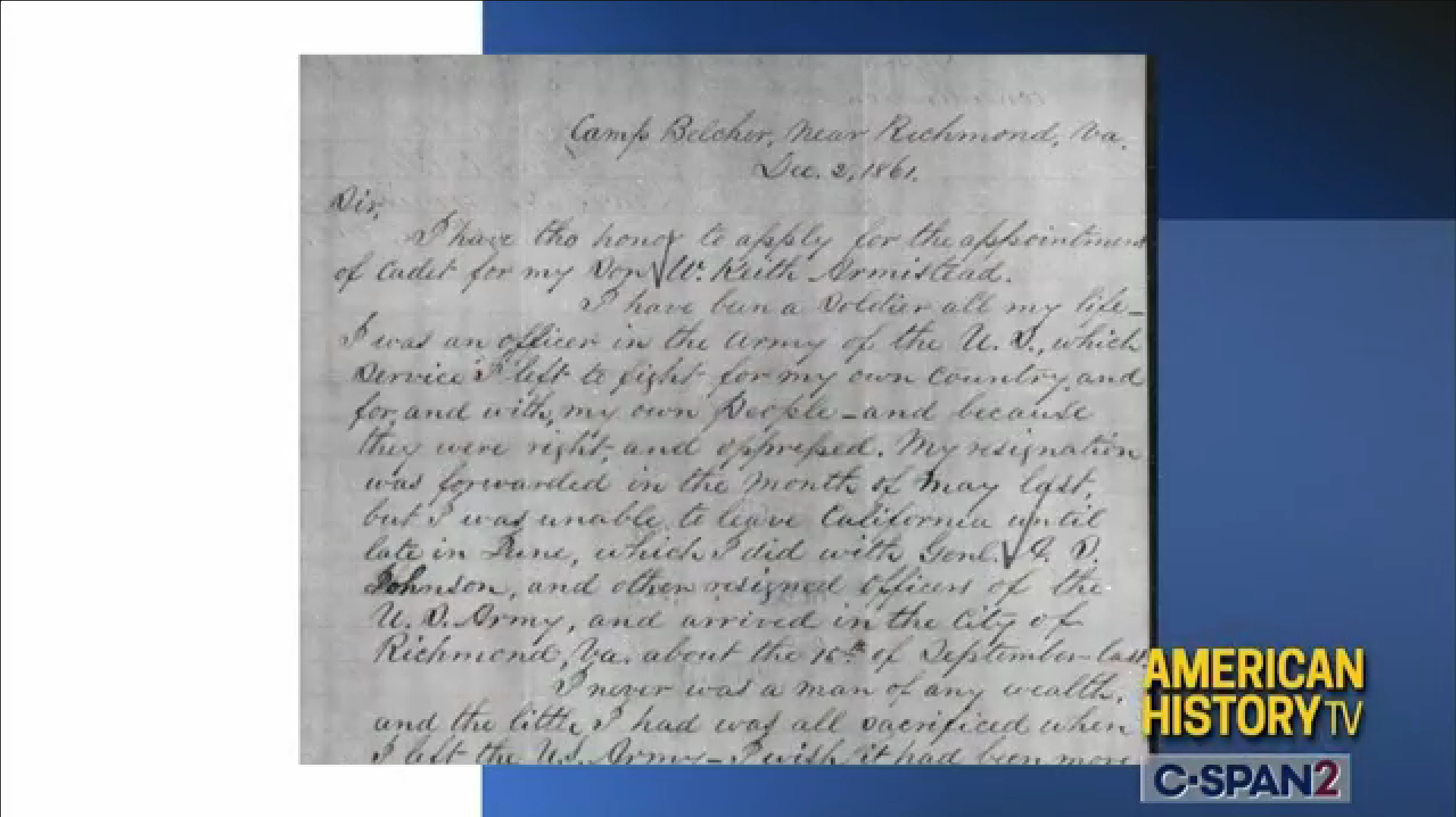
In a letter, Armistead wrote: “I have been a soldier all my life. I was an officer in the Army of the US, which service I left to fight for my own country, and for, and with, my own people – and because they were right, and oppressed.”
Farewell in California
The famous California farewell took place after Armistead decided to join the confederacy.
McMillan found two accounts of this event, one from Almira and another from an unpopular 1880 biography of Hancock written by Reverend Duncan, a former chaplain of the US Navy who was also a close friend of the Hancock family.
In her book, Almira identified three people in the gathering that day: Armistead, Hancock, and Albert Sidney Johnston. For this to be possible, the former friends must be in LA in the late spring or early summer of 1861 to make this possible, McMillan affirmed. The account of Almira was also the foundation of this legend:
“The most crushed of the party was Major Armistead, who, with tears which were contagious, streaming down his face, and hands upon Mr. Hancock’s shoulders, while looking him steadily in the eye, said, ‘Hancock, goodbye, you can never know what this has cost me, and I hope God will strike me dead if I am ever induced to leave my native soil, should worse come to worst.’”
In the movie, Lewis said, “Win (Hancock), so help me. If I ever raise my hand against you, may God strike me dead.”
But this was not the case, according to Hancock’s wife. Instead, she said, during the farewell, Armistead handed his uniform to Hancock while handing her a small satchel “… requesting that it should not be opened except in the event of his death, in which case the souvenirs it contained, with the exception of the little prayer-book intended for me, and which I still possess, should be sent to his family. On the fly-leaf of this book is the following: Lewis A. Armistead. Trust in God and fear nothing, “Almira recounted.
Reverend Duncan’s version, on the other hand, attributes the following passage to Hancock himself, though McMillan wished the reverend had quoted him:
“An interesting incident in connection with General Armistead’s defection from the US Army … is related by General Hancock. It occurred in Los Angeles early in 1861…
…On leaving Los Angeles, he presented Hancock with his major’s uniform, saying that the latter ‘might sometime need it.’
He also placed in his hands for safe-keeping, and to be given to his family if he should fall in battle, certain valuable papers. Armistead also presented to Hancock a little prayer book, which is still in the latter’s possession. On a fly-leaf of the book is the following inscription: ‘Lewis A. Armistead. Trust in God and fear nothing.’”
“Who’s telling the real story?” McMillan rhetorically asked. Whatever the case, the novelist believed that something did happen, or they did get together before Armistead left.
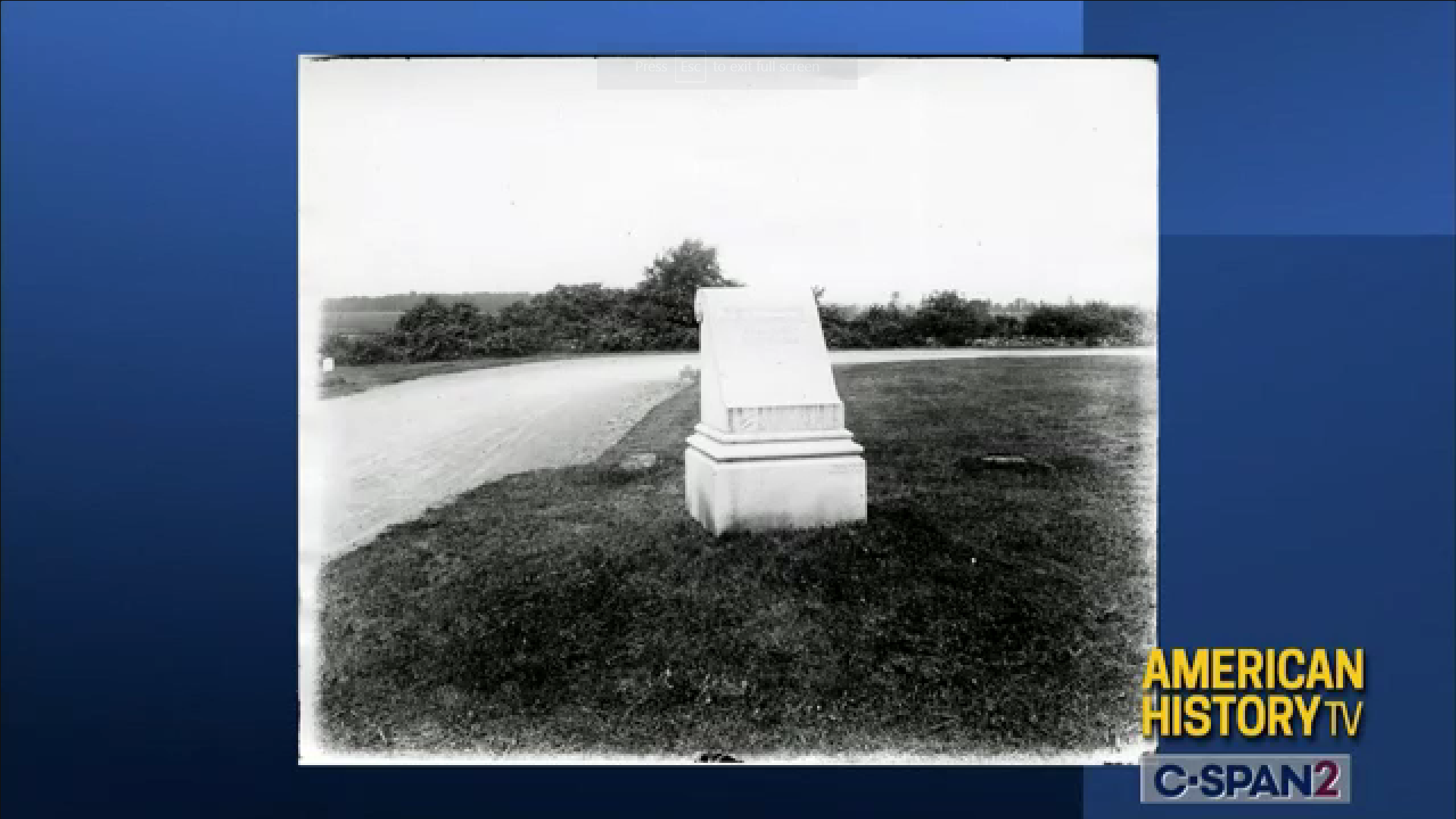
Armistead and Hancock didn’t clash until the third day at Gettysburg. But the question was, did they know they were fighting each other? McMillan said, “Probably.”
McMillan’s previous work includes Flight 93: The Story, the Aftermath, and the Legacy of American Courage on 9/11 (2014) and Gettysburg Rebels: Five Native Sons Who Came Home to Fight as Confederate Soldiers (2017), which won the best new work on the Gettysburg campaign at the Batchelder-Coddington Literary Award in that same year.
Watch the entire symposium here.








COMMENTS