

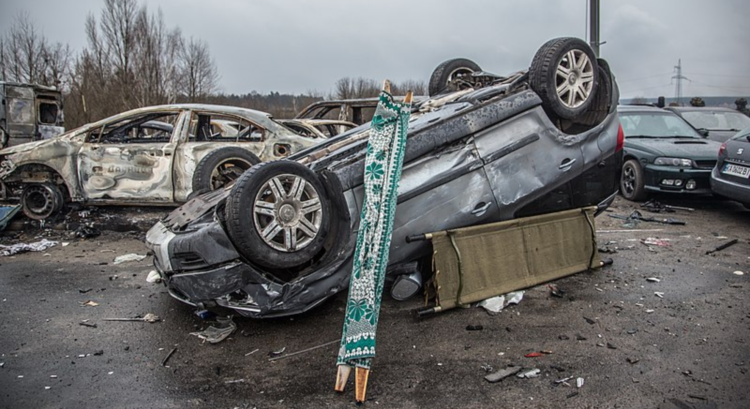
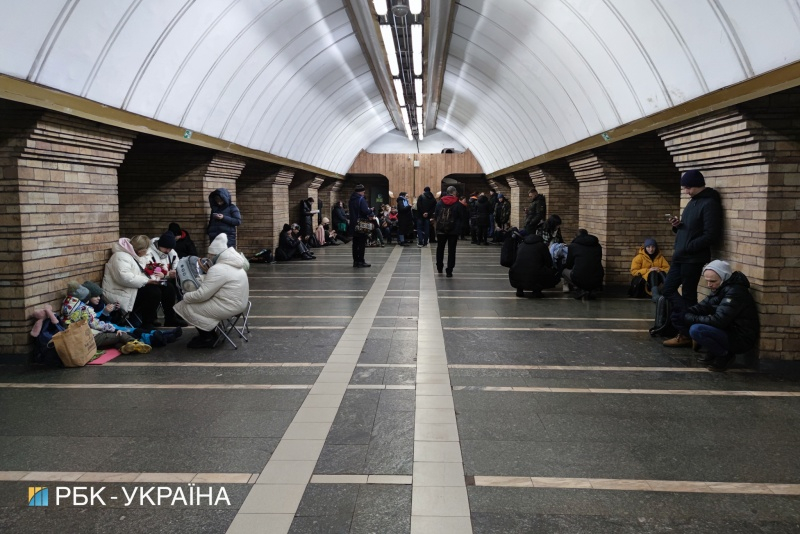
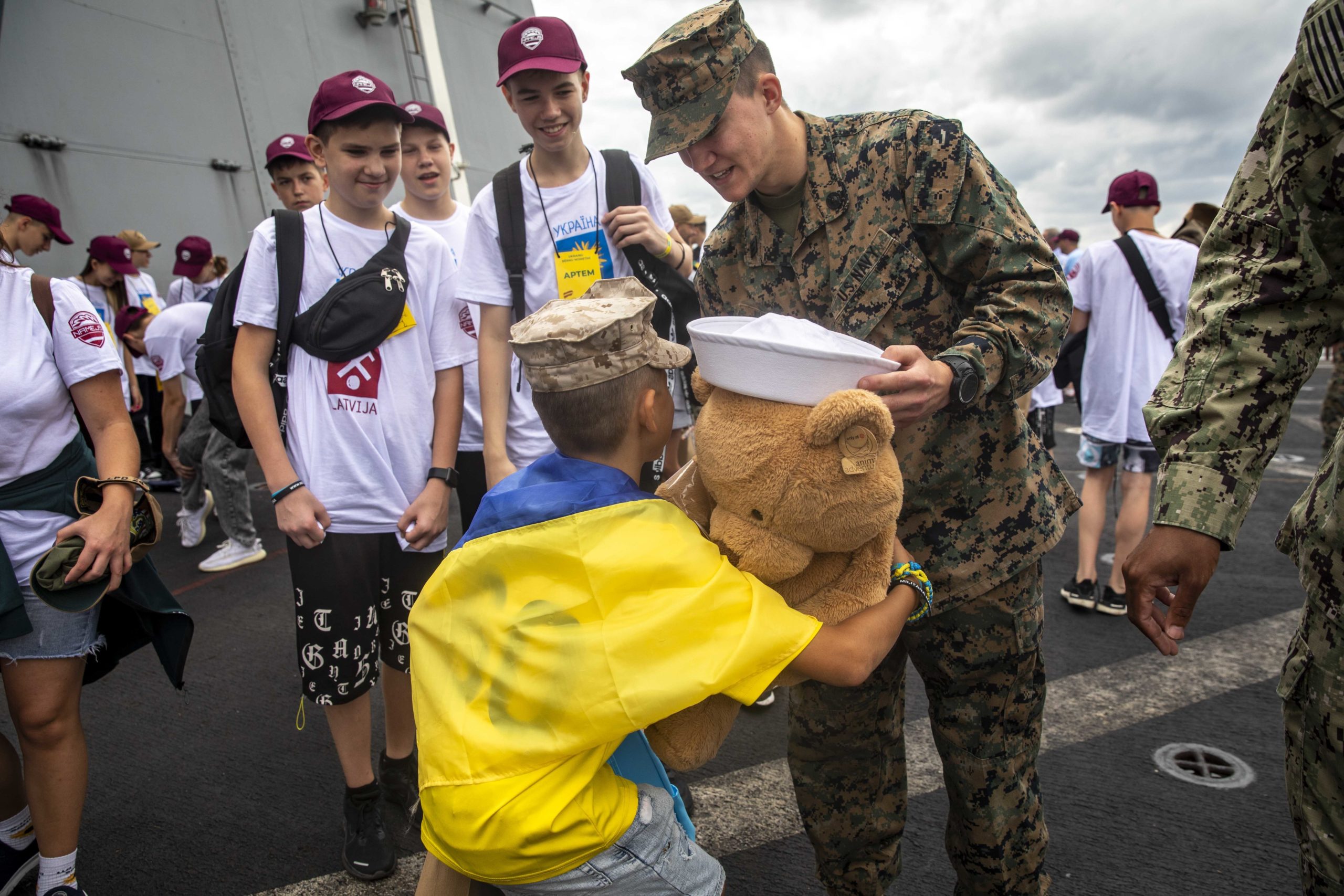
This is why supply routes are vital for civilians and combatants during the conflict and are among the first assets attackers target. Cutting or blocking off supply paths also disrupts military efforts for those on the opposing end and is an apparent weakness the defending end can exploit.
One example of this is when Ukrainian forces bombarded a crucial bridge in Donetsk in an attempt to cripple the Russian resupply routes. With no strong bridge passable enough for heavy military vehicles, supplies for Russian forces ran dry, making reclaiming territories for Ukrainian troops possible.
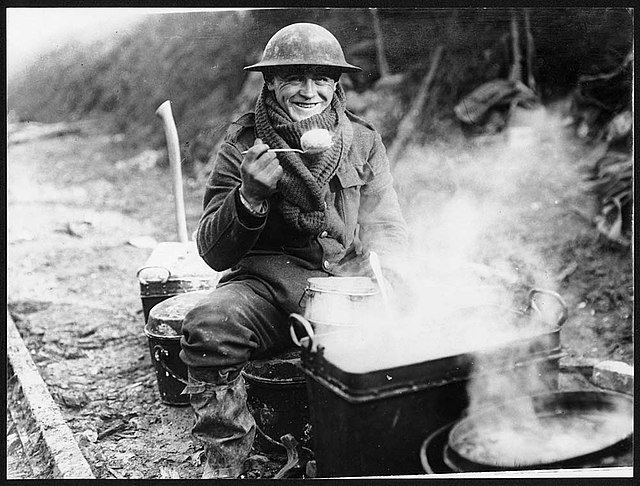
For others, having to rely on combatant efforts to defend supply routes and maintain the flow of goods across the affected country is what they can do, aside from cultivating their crops as an alternative. But then, this would be impossible with all the bombardments that could strike anywhere in the hot zone—leaving civilians to ration as much as possible until they received replenishments. People within the community usually work together to provide basic foodstuff and clothing and share shelters for those who lost their homes. In past wartime, people who were caught in between recounted how hard acquiring food and water rations used to be. Some expressed frustrations on price fluctuations, fuel shortages, and hassles caused by some billeting soldiers. A hundred years later, the same frustration has dragged people into wartime. The war between Moscow and Kyiv disrupted not just Ukrainians’ own internal circulation of agri-commodities but also caused global food shortages when Russia blocked the Ukrainian Black Sea ports weeks following the invasion.
Hence, during wartime, what we normally take so quickly, such as food and shelter, becomes an everyday concern and an essential aspect for the men in front and the civilians in between to survive, as well as the people across the globe to continue to thrive.
Managing Fear Shapes Post-War Life
Fear is a catalyst of either a meaningful change or madness. In her essay, Proctor described managing fear during wartime as another critical aspect, especially for those residing within the hot zone. Every day people in the warring land live in fear, fearing that life might be stolen from them literally and figuratively, and fear for those who have loved ones trapped in the warzone or are deployed to fight in the front. In this context, people directly involved in the war could permanently alter their lives and, even in post-war, sustain a different normalcy to what they once had.
In the beginning, individuals who haven’t seen violence in their lives may take the extreme conflict and be left endlessly trembling in fear, but as the days passed, the bombing became part of their daily routine. For some, unfortunately, this would eventually become mundane, “just another day living in the warzone” kind of feeling, which in a way desensitizes the brutality around them.
Some soldiers developed a list of survival strategies to overpower fear, get through the long and exhausting combat, and go home to their respective families. For example, Vietnam Veteran and author Raymond M. Scurfield enumerated five functional war survival strategies, including the use of fight or flight when assessing to engage against enemies; detachment, numbing, and denial as temporary comfort from the horrors of war; tunnel vision can make a soldier go a long way; finding a healthy outlet to discharge emotions such as stress, frustrations, anger, fear, and grief; and reinstating or establishing a sort of belief in fate and higher being.
People may have survived living in conflict, but the alteration of their perspective in life after the war could be a challenging aspect to face for both soldiers and civilians alike.
Camaraderie Reels Back Lost Hope
Finding camaraderie amid brutality is like finding a light in a long, dark tunnel. Social connection, again, is what makes people strive and survive. Knowing someone has gone through the same hardship makes the burden of being caught in between less heavy. Companionship with like-minded people is also a good distraction, a coping mechanism for managing fear and wartime stress, and a reason to survive.
For example, Ukrainians struggled to stay warm when the winter season came, and the war’s end was far in sight. While energy personnel treaded hot zones to fix and bring back electricity, those with access to generators opened their doors to shivering brothers and sisters. Ukrainian troops in front encourage and boost each others’ morale, withstanding the hardships on the battlefield and the cold winter nights.
Camaraderie is also a big factor in why prisoners of war choose to live through the harsh reality. Medal of Honor recipients who exuded intrepidity, loyalty, and resiliency were the common factors fellow POWs survived their time in war camps. They became each others’ reason and motivation to face another hellish day, significantly those who unfortunately ended up in harsh prison camps like Imperial Japanese-run prisons in World War II and the Hanoi Hilton during Vietnam War.
During post-war, this aspect plays a vital role in recovery and easing back to the old or another set of new “normal” routines. For soldiers, associations involving fellow veterans and other brotherhood organization has helped them cope and ease back into their post-military lives. Likewise, civilians sought to manage traumatic experiences through organizations specializing in the area, while others found refuge in sports, religion, humanitarian-centered movements, and more—anything that could help these individuals either cope or process the trauma they went through. Because sadly, war doesn’t end at the signing of the peace treaty nor placing down guns, but for individuals involved to conquer the fears, trauma, and grieving finally.
***
As Proctor phrase it, “[e]veryday life goes on, even in the midst of the madness, and humans sought ways to cling to the ordinary pleasures of daily existence even as the extraordinary events of war intervened.” Surviving a wartime conflict doesn’t only mean providing oneself the necessities such as food, water, and shelter but also being able to adapt to situations during and post-war life.
We see this strange juxtaposition of life within or near the warzone in photos that illustrate a mixture of ordinary and extraordinary lives caught in between, like children playing nonchalantly with soldiers roaming around or “a mother holding a baby, who in turn clasps a piece of ammunition,” as the historian stated, illustrating “moments of ordinariness in the midst of chaos.”
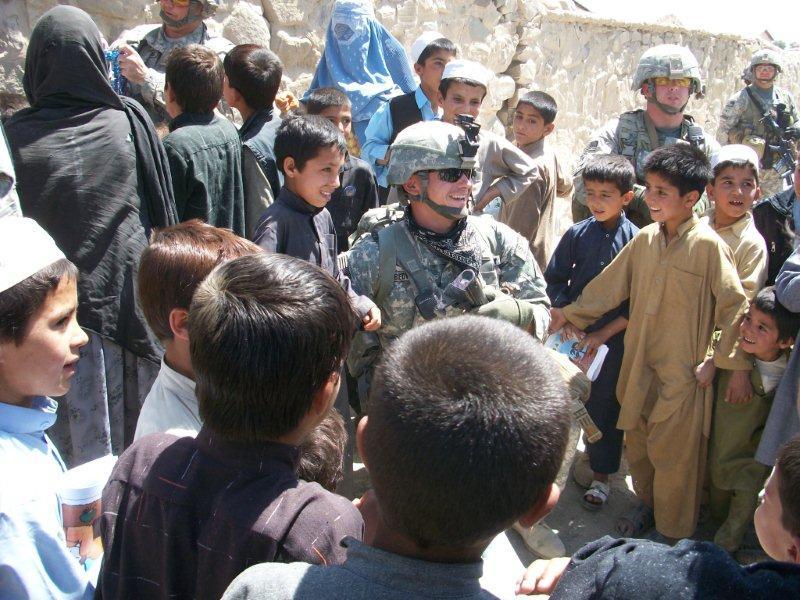
Getting through during wartime is one thing. Transitioning back to what was once pre-war life in post-war peacetime is another, which could mean another waiting time for those who lost their homes, loved ones, and livelihood, even themselves and their sense of identity.
“In wartime, people tried to build a new everyday mentality in order to cope with war, but after the conflict ends, the easy normalcy that many expected never materialized,” historian Proctor concluded.








.jpg)
.jpg)
COMMENTS