

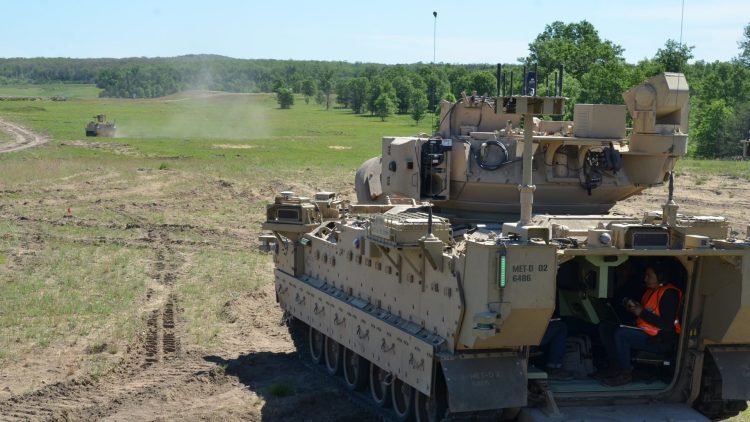
Lockheed Martin and General Atomics Take Flight
On the other side of the tech spectrum, we’ve got Lockheed Martin teaming up with General Atomics and the US Navy for a game-changing first.
Using their Skunk Works® MDCX™ autonomy platform, they pulled off a historic live flight of an uncrewed air system controlled by the Navy’s Unmanned Carrier Aviation Mission Control Station (UMCS).
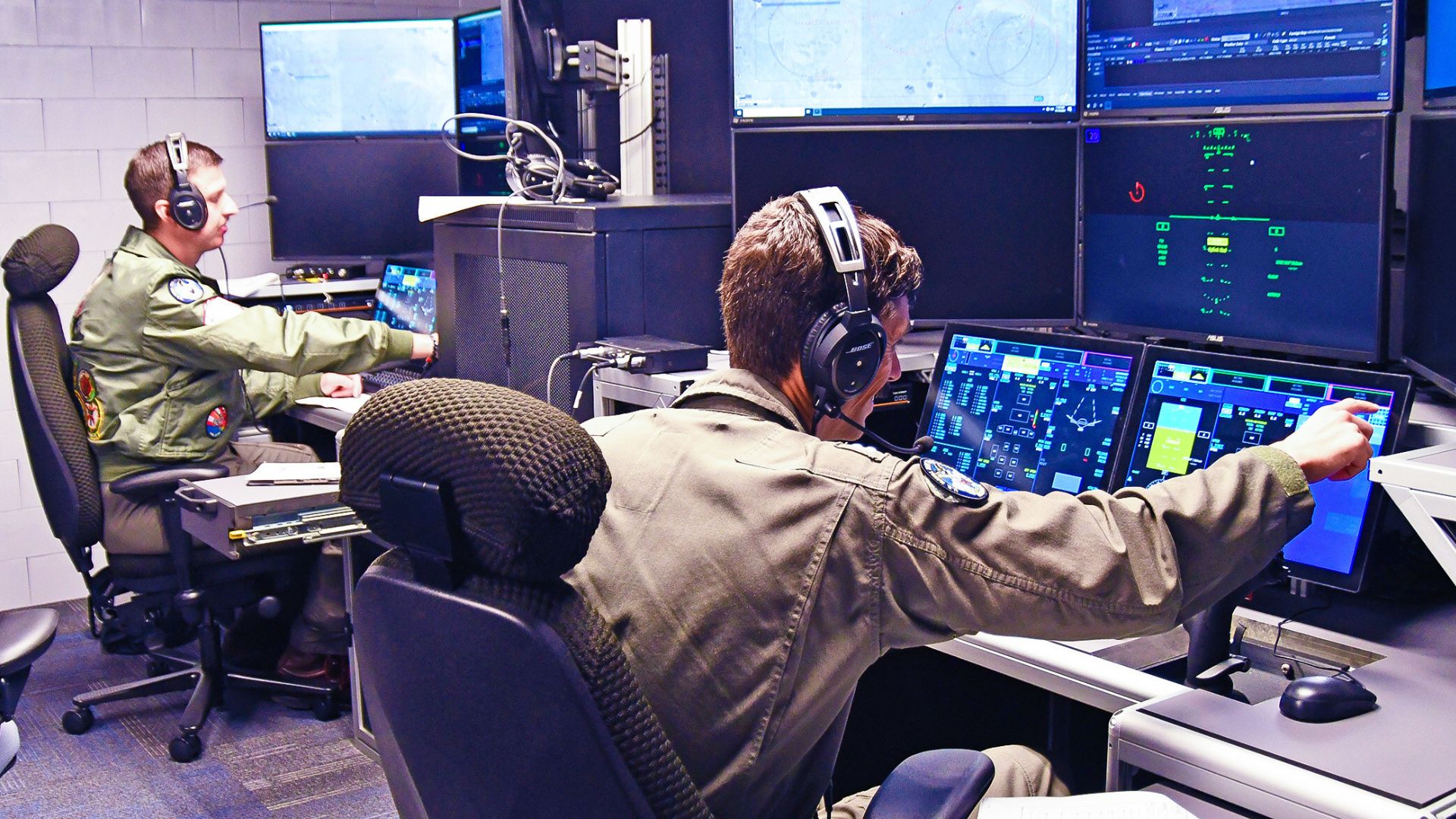
In simpler terms, a Navy team in Maryland remotely piloted a General Atomics MQ-20 Avenger flying out in California.
No pilot in the cockpit, but still fully mission-capable.
This demo wasn’t just about showing off—it’s a crucial step toward realizing the Navy’s vision of future air operations, where crewed and uncrewed systems work together seamlessly.
Imagine a world where autonomous drones can support piloted aircraft in high-risk missions. That’s what programs like Collaborative Combat Aircraft (CCA) are all about.
John Clark from Lockheed Martin’s Skunk Works summed it up best: “Skunk Works is proud to collaborate with the Navy to bring its Carrier Air Wing of the Future vision to life.”
“The MDCX made it possible to rapidly integrate the MQ-20 ‘autonomy core’ with the UMCS, demonstrating common control capability and third-party platform integration,” he added.
Meanwhile, General Atomics is showcasing its Tactical Autonomy Core Ecosystem, or TacACE, which ensures these platforms can operate beyond the line of sight and adapt in real-time.
And this is just the beginning. The Navy plans to refine the UMCS based on this demonstration and continue testing to nail down the command and control systems needed for uncrewed aviation.
The goal? By the 2030s, we could see fully operational uncrewed aircraft working alongside piloted systems, changing the way we think about air combat.
“This was a huge step for unmanned naval aviation,” said Lt. Steven Wilster, MQ-25 AVP. “This demo showcased UMCS’s first live control of an unmanned air vehicle, and it was great to be part of history in the making. The team is paving the way for integrating critical unmanned capability across the joint force to combat the high-end threat our warfighters face today and in the future.”
What This Means for the Future
These projects highlight the military’s drive to stay ahead in an era where technology and warfare are evolving at breakneck speed.
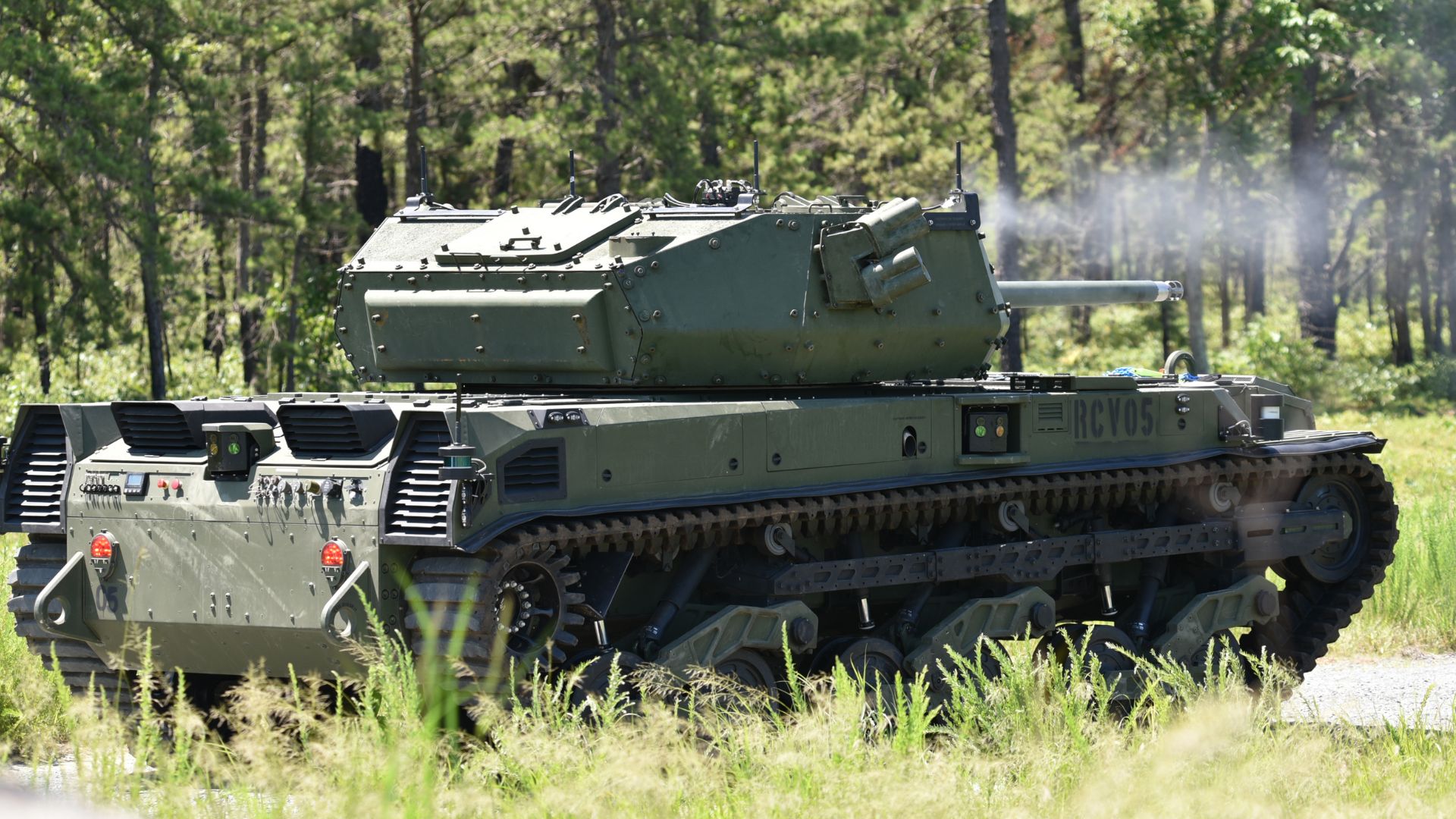
For the Army, HII’s work on ground vehicles ensures soldiers will have reliable, state-of-the-art equipment that can handle anything from reconnaissance to combat.
For the Navy, Lockheed and General Atomics are pioneering a new frontier in aviation, where human pilots and autonomous systems work hand in hand.
But beyond the tech, there’s a bigger story here—one about adaptability and innovation.
In both cases, the military is showing it’s willing to embrace new ideas and partnerships to maintain its edge. Whether it’s on the ground or in the skies, the goal remains the same: to give our forces the best tools to succeed and come home safely.
It’s a fascinating time for military technology, and these contracts are just a glimpse of what’s to come.








COMMENTS