

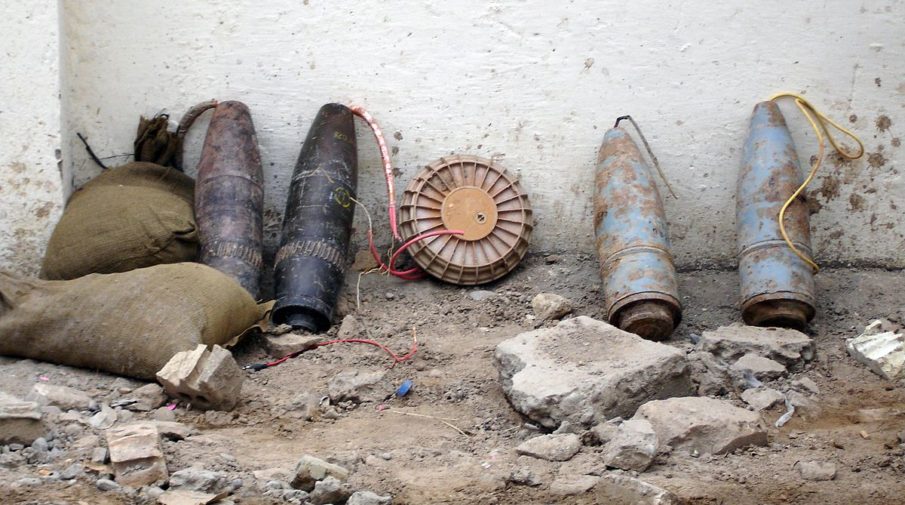
Some are more unstable than others and many a would-be bomb maker has met his fate while working with some of the more dangerous chemicals. Commonly used HMEs include:
Peroxide-based explosives such as triacetonetriperoxide (TATP), hexamethylene triperoxide diamine (HMTD) and methyl ethyl ketone peroxide (MEKP) are easily constructed and extremists with little to no chemistry background can attempt to produce these. TATP has been used by terrorists in the Middle East to produce devices for suicide bombers’ belts and was used in terrorist attacks in many other places, including the mass-transit bombings in London. TATP has been produced in the United States by terrorists, as well as criminals.
Ammonium nitrate (AN) and fuel oil are widely accessible and relatively inexpensive, and neither is classified as an explosive. AN is sold at farming supply stores and its widespread availability makes it a likely target for theft or purchase by criminals and terrorists. The same is true of the AN precursors ammonium hydroxide and nitric acid.
Fuel oil number 2, or diesel fuel, is the most popular fuel oil used in the synthesis of ANFO. Diesel and other fuels are found anywhere because of the abundance of gas stations, boating docks etc. Other common fuels such as nitro-methane and aluminum powder can be used. ANFO was used during the 1995 terrorist attack on the Murrah Federal Building in Oklahoma City, OK. Special Forces troops trained DEA agents back in the 1980s-90s to use a combination ammonium nitrate and fuel mix explosive to crater clandestine drug airstrips in the Andean Ridge countries due to their stability until mixed on the ground and primed with a booster charge.
TATP and HMTD require a production lab to create. The materials needed to produce these are easily found in hardware or drug stores. Since peroxide-based explosives are sensitive to heat, shock and/or friction. Indicators of a possible explosives lab may include:
• Refrigerator or coolers
• Glassware and laboratory equipment
• Blenders
• Blasting caps/batteries/fuses/switches
• Pipes/end caps/storage containers
• Shrapnel-type materials
• Strong acidic odors
• Hot plates
Some common tip-offs that a bomb-making operation is in place would be to find these chemicals along with pipes, activation devices, propane containers etc.. Also, electronic components such as wires, circuit boards, cell phones and batteries can point toward the possible design and production of IEDs.
All of this information is needed for our Special Operators, EOD techs, and Law Enforcement personnel because they need to know how to recognize a homemade explosive device or laboratory, know what the capabilities of such a device are and how to properly look to disable these as well as look for booby traps.
Extremists and terrorists are always constantly changing their methods, and our Special Operations Forces, EOD techs, and Law Enforcement personnel need to keep abreast of the latest updates.
So, while all of us feel for the soldiers and family members who were affected by this tragic accident, it shouldn’t take away from the fact that this training is very important and very necessary for our troops and first responders who constantly go in harm’s way.
Photos Courtesy: Wikipedia








COMMENTS