

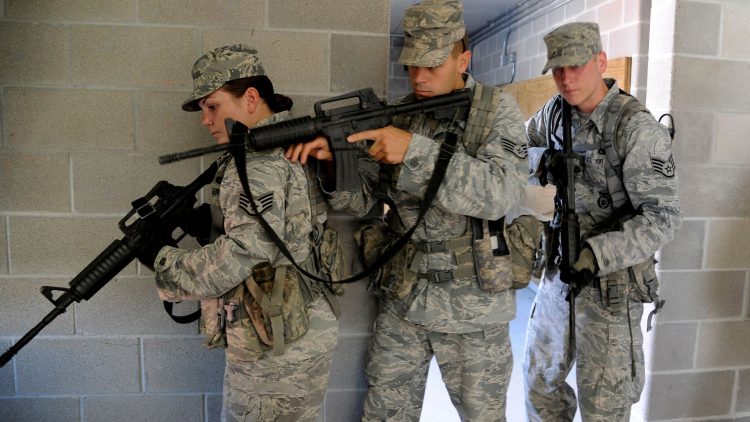
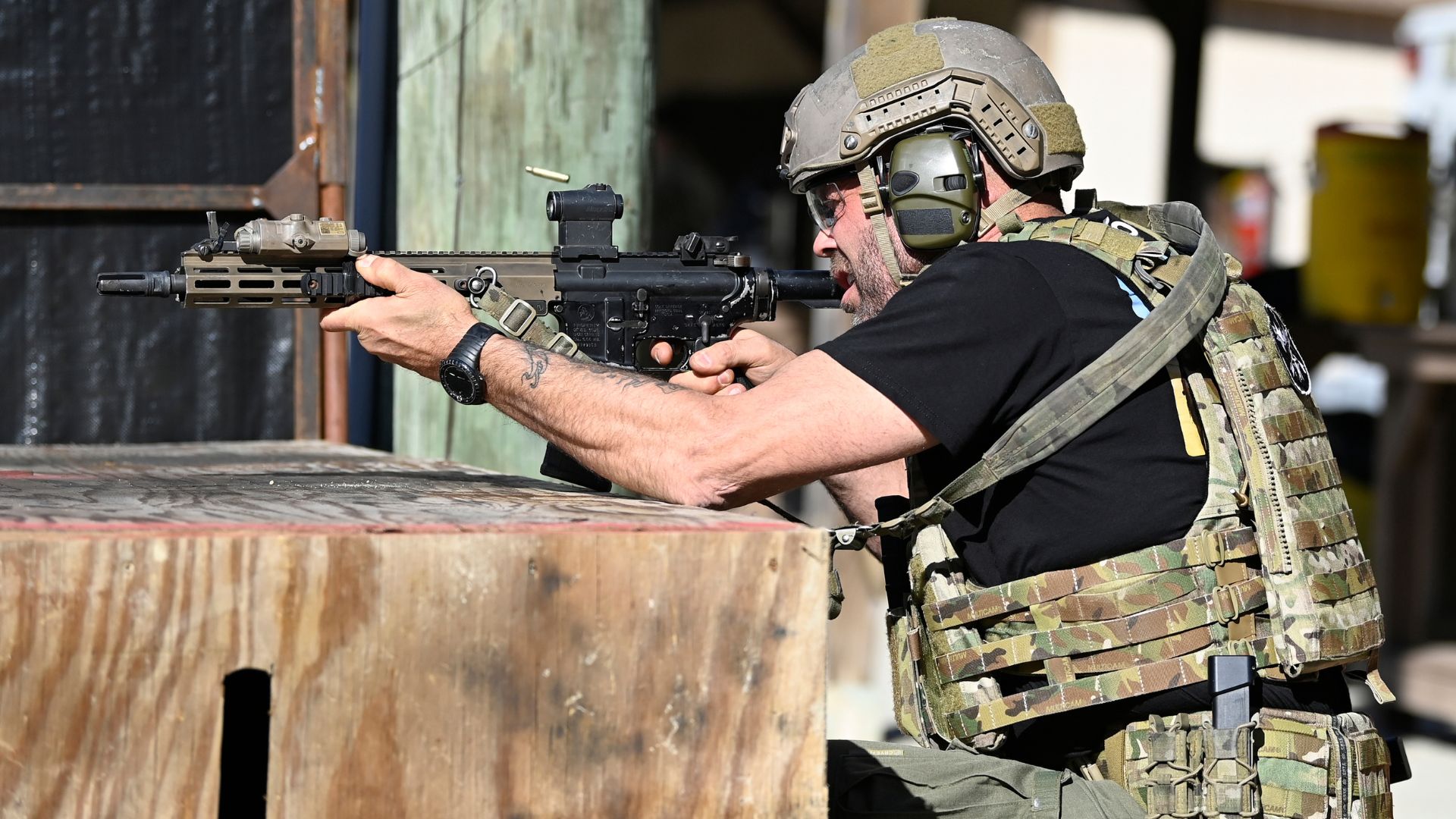
Most 18Xs have college degrees. Some even have advanced degrees. A large proportion of them were also student-athletes. For whatever they lack in military experience, 18Xs usually have something unique to contribute: business acumen, academic study, physical conditioning, foreign language fluency, etc. I knew an 18X who was a competition shooter in the civilian world, and he showed up at an Special Forces Operational Detachment Alpha (SFOD-A) being able to run a pistol with shocking proficiency.
However, studies have shown that 18Xs are killed or wounded in combat at significantly higher rates than other Green Berets due to the steep learning curve as new shooters. 18Xs are also less likely to renew their Army contract than other soldiers. They are aware of opportunities outside of the Army, and for them, leaving the force is not as alienating as it would be for Green Berets who come from the big Army.
First off, the 18Xs were never meant to constitute more than 10% of enlisted Green Berets. At present, they make up close to 40% of enlisted Green Berets. This is wrong. 18Xs have skills and experiences to contribute, but sergeants have the requisite experiences—leading, managing, and training soldiers. SFOD-As need experienced sergeants to lead indigenous guerillas, and the Q-Course must primarily recruit sergeants from Big Army to serve as the backbone of the Regiment in order for it to be successful in unconventional warfare (UW). The Regiment must cut force structure and modify recruiting programs in order to ensure every SFOD-A is staffed with a majority of Green Berets who became NCOs in the Big Army before coming to Special Forces.
Second, given that it takes maybe 2 years for an 18X to sign a contract and go through all the training needed to show up at his first team, the Army needs to require them to sign 8 years of contracts without the option to serve 3 years on Reserve duty. Most young men interested in the 18X program will not be deterred by the greater upfront commitment, and a minimum of 6 years on an SFOD-A better justifies the massive upfront investment in their training.
Third, it would be good to take a hard look at the preparation and conditioning course that 18Xs go through prior to SFAS. This prep course tends to wax and wane with its quality based largely on the NCOs running the course, and earlier iterations were known for hazing issues. However, in the earlier (harder iterations), surviving students had a very high selection rate when they went on to SFAS.
This prep course is a great place to cover some good ground in NCO development. Twice daily Physical Training (PT), a controlled diet, and a solid land navigation course are already part of the curriculum. In addition, students should spend what would have been downtime on the basics of patrolling. This portion of the training should focus a lot less on physical stress and “suck factors.” Instead, it should focus acutely on the Ranger Handbook and small unit tactics rehearsals. All Rangers are required to memorize the Ranger Handbook prior to Ranger School. Between Basic Training, AIT, Airborne School, and SF prep, is there any reason the 18Xs shouldn’t have to memorize the Ranger Handbook too?
18Xs can also use SUT rehearsals to build a basic knowledge of tactical Comms and radio management. Cadre can arrange a basic Comms course on day 1 and then conduct concurrent training for the rest of the cycle (and the Q-Course).
I’ve also already suggested that Sergeant Majors should test junior Green Berets on their capacities to lead patrols in weekly spot checks. But to go further, US Army Special Operations Command (USASOC) needs to focus on how best to develop the 18Xs (they constitute half the Special Forces Regiment now) once they join an SFOD-A.
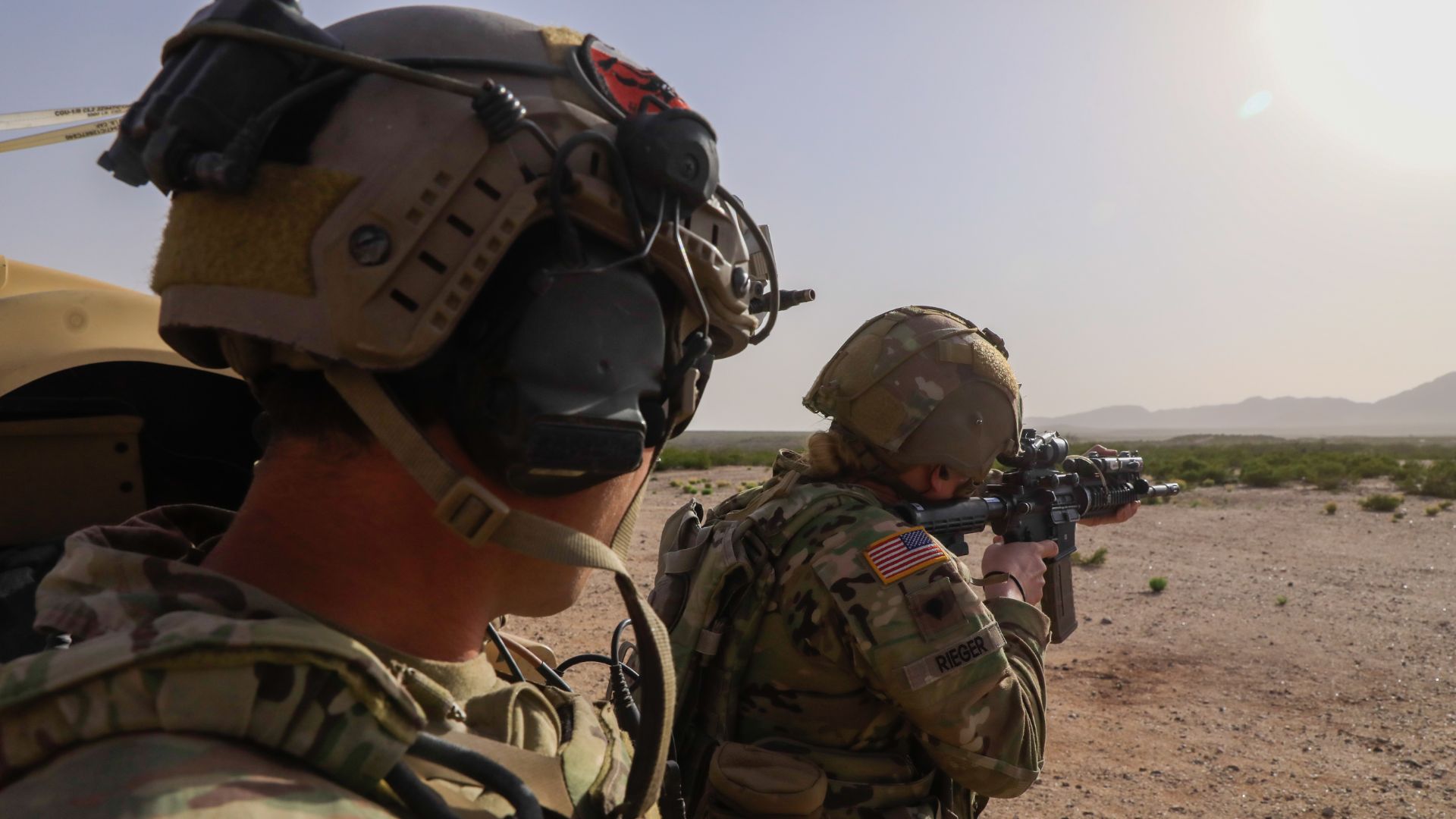
Special Forces Groups all run “Green Platoons” for every new cycle of Green Berets arriving from Fort Bragg. Green Platoon training typically includes 1-2 months of advanced flat range training, military vehicle driver’s training, and a number of other administrative tasks. Green Platoons also give Sergeant Majors the opportunity to assess incoming talent, almost like the NFL combine.
This is an area where Special Forces can really deliver some valuable training for its newest members. I recommend standardizing Green Platoon training to 2 months, and in addition to administrative in-processing and military driver’s license training, the curriculum should include tactical marksmanship and advanced urban CQB (dry-fire only). USASOC should dedicate a unique line of funding for each Special Forces Group and encourage them to compete with one another to set up the best Green Platoon training experience.
I recommend that following their Green Platoon training, the 18Xs should be required to set up a two-week CULLEX where they instruct a National Guard platoon in SUT, flat range, and CQB (dry-fire only). Under the supervision of a senior NCO, the 18Xs will be required to build the CONOP, reserve the range, put in the ammo request, get the trucks, build the training task list, pick up the ammo, open the range, supervise range days, teach the curriculum, lead the patrols, supervise brass turn-in, close the range, clean/return the trucks—soup to nuts. Then, they’re ready to go to an SFOD-A.
After their first deployment on an SFOD-A, all 18Xs should go through a training cycle with another elite unit—preferably in an allied nation. The Special Forces Regiment needs to canvas elite military units for training opportunities. Graduating 18Xs could conduct a short training cycle with the French Foreign Legion, British Royal Marine Commandos, Canadian Special Operations Regiment, Singapore Commandos, Israeli 89th “Oz” Commando Brigade, etc. Following 4-6 months of training with these elite units, the 18Xs can bring unique tactical experiences and best practices back to their SFOD-As—and hopefully, some real maturity.
Finally, the Special Forces Regiment needs to become more aggressive in sending non-performing Green Berets back to conventional forces. The Ranger Regiment is the standard bearer for Relief for Standards (RFS), and the practice enforces healthy norms in the unit. I recognize that the Ranger Regiment has a much lower sunk cost in their young shooters than do the Navy SEALs, Marine Raiders, or Army Special Forces, but immature, problematic, disruptive, and chronically misbehaving individuals need to be promptly sent to an airborne infantry platoon where a sharp sergeant can run their lives until they relearn discipline. Junior Green Berets that chronically receive poor marks on their weekly patrols should be on the cutting block, too.
The standard of behavior for Green Berets should always be, “Can he be trusted to do a mission in a foreign country with diplomatic visibility, on his own, without any support or supervision?” If the answer is “no,” then nothing else matters. Send him to the infantry.
—
Stay tuned for next week’s continuation of “Practice of Unconventional Warfare,” as Fox delves deeper into the Special Forces career path—exploring why language proficiency is vital for Green Berets and how current rotation policies may be undermining team cohesion and long-term mission success.
You can read the previous column here.








COMMENTS