

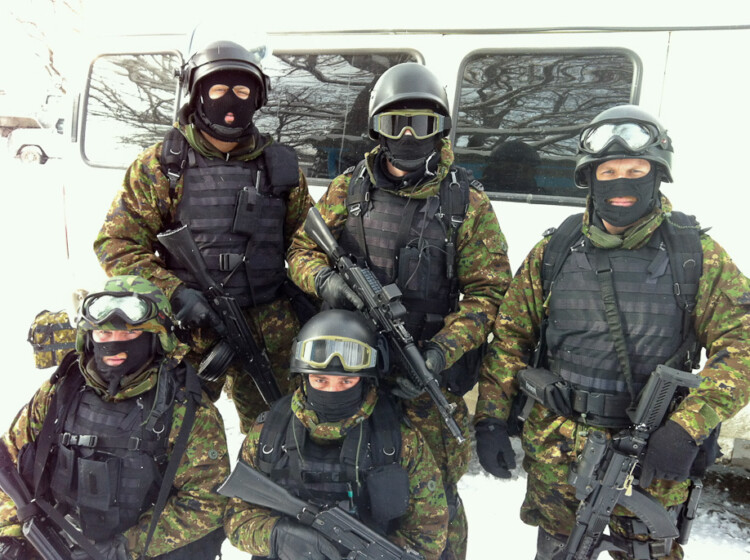
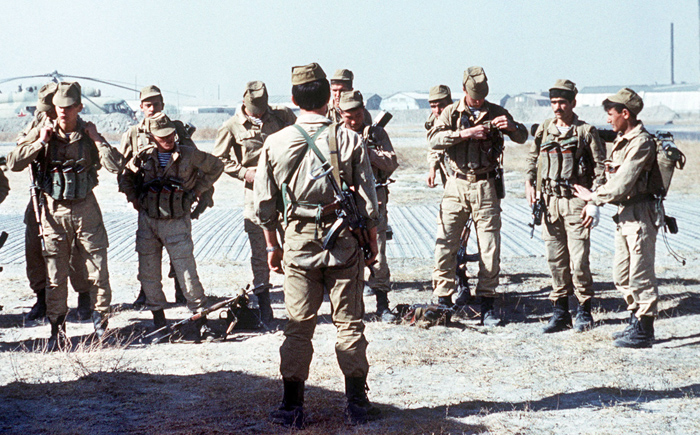
Out of the thousands who apply, only those who embody these virtues, coupled with peak physical and mental conditions, earn the right to proceed to training. A mere handful make the cut, affirming the selection process for a Spetsnaz soldier as one of the most demanding in military circles worldwide.
Beyond Physical Limits: Training Regimens of the Spetsnaz
The initial phase of their training, lasting about three months, is a relentless test of physical endurance. During this period, recruits might run up to 20 kilometers daily, transitioning swiftly into drills that test their combat and survival skills.
Martial arts is a staple, with the Russian martial art of Systema at the forefront. This discipline imparts self-defense techniques and teaches soldiers to harness inner energy and manage pain.
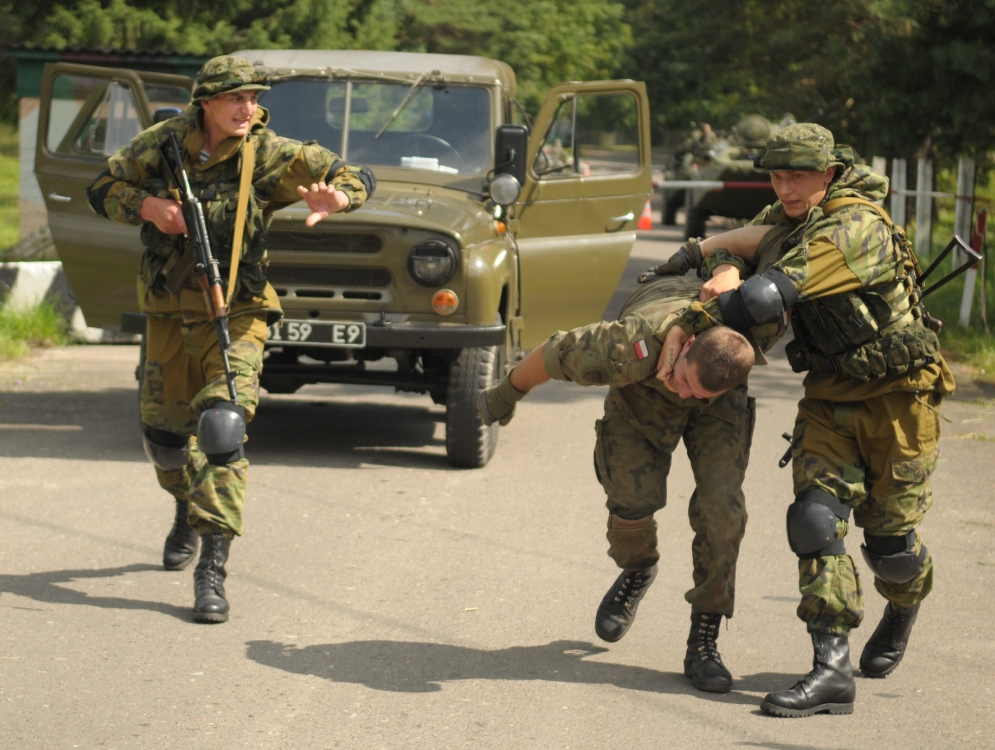
Wilderness survival is another crucial component. Recruits are often dropped into Russia’s most unforgiving terrains, from the dense forests of Siberia to the harsh Russian steppes, with minimal supplies. They must navigate these environments, secure food and shelter, and sometimes evade “enemy” trackers.
Pushing the Limits
High-altitude jumps are not merely about parachuting skills. These jumps, often conducted at night and from altitudes exceeding 33,000 feet, teach recruits precision, stealth, and adaptability.
The Spetsnaz’s legendary resilience is further honed with exercises like submersion in freezing waters to build tolerance against hypothermia and long treks with 40kg packs to develop stamina.
Hand-to-hand combat drills become more intense with the Spetsnaz twist, sometimes performed on obstacle courses lit on fire. The goal is to add another layer of challenge and urgency.
Live-Fire Drills: The Pinnacle of Spetsnaz Training
Amidst the rigorous exercises that sculpt a Spetsnaz soldier, live-fire drills are among the most intense and decisive. These exercises are an intricate dance of precision, coordination, and unyielding trust.
Live-fire drills place recruits in realistic combat scenarios using live ammunition, significantly upping the stakes. The margin for error? Virtually non-existent.
It tests a soldier’s shooting prowess and ability to operate seamlessly within a unit. All while under the immense pressure of actual gunfire.
How Live-Fire Drills Go
Spetsnaz soldiers often recount these drills as the moments where their training truly comes to life. Moving targets replace static ones, simulating the unpredictability of an actual enemy.
Recruits might find themselves navigating urban warfare scenarios, storming mock buildings, and even rescuing hostages, all under a hail of live bullets.
But these exercises are not just about the individual but the team. In these drills, the Spetsnaz ethos of trust becomes palpable. Soldiers move in tandem, often firing inches away from their comrades, relying on their collective training and confidence.
If there’s one place that solidifies the bond of the Spetsnaz, it’s amidst the echoes of live gunfire.
Such high-risk training has its critics, with safety concerns often voiced. Yet, for the Spetsnaz, the live-fire drills embody their commitment to realism and preparedness.
Camaraderie and Brotherhood: The Spetsnaz Bond
One cannot talk about the Spetsnaz without mentioning the deep bond of brotherhood among them. The shared experiences, the mutual challenges, and the collective triumphs forge relationships that last a lifetime.
This bond is vital, as trusting one’s comrades can often be the difference between life and death in their line of duty.
In essence, the making of a Spetsnaz soldier is a journey of transformation. It’s about pushing the human spirit and body beyond perceived limits.
Their training and operations are shrouded in secrecy. But one thing is undeniable: the Spetsnaz is a testament to what dedicated training, an unwavering spirit, and a sense of purpose can achieve.








COMMENTS