

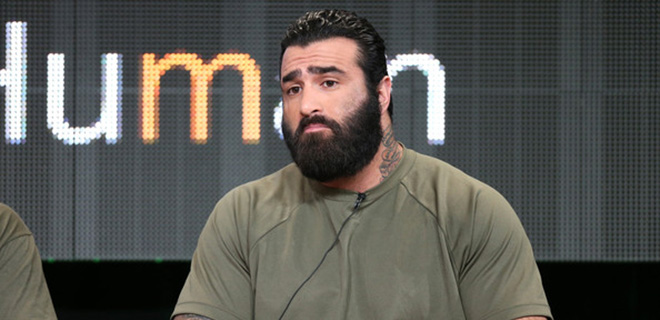
Oz: “Working in any austere environment will always have some innate variables that are similar. Ironically, the differences in each environment account for the only similarities they share. There is a “break in” period. Our team had never worked in this AO. We had to hit the ground running. Our mission required us to have a strong understanding of the cultural structure of South Africa. We had to become familiar with the customs and local norms. There is no way to recognize if something is out of place (which could merit further investigation) if the team did not know what “normal” was for that area. We found this task to be particularly challenging as SA has a very dynamic eco-political history which greatly influences its modern social structure.
“Understanding how to deal with poisonous snakes, lions, crocodiles, elephants, hippos, leopards, cheetahs, malaria, HIV and other fun Africa-specific issues was one thing! Getting to understand the history and significance of each of the tribes and their interactions within the social structure in South Africa was a totally different matter. We had a lot of catching up to do if we were going to earn the respect of the tribal leaders as they are regarded as political/spiritual leaders.
“We needed the tribal leaders’ support in order to work in their townships to gather intelligence and conduct operations. The team’s maturity and professionalism was paramount in accomplishing this. Rob (Rob Roy – retired U.S. Navy SEAL) really had to put his butt out on the line and deeply wove himself in the criminal network to get us the valuable “actionable” Intel we needed.”
Ross: Did you have the chance to share any of your medical experience and training with the locals while in Africa?
Oz: “Our team had an opportunity to cross train the local security forces. Rob spoke about gathering intelligence and collecting data from crime sites. Biggs shared stalking techniques and observation tools. Saw spoke to them about leadership and mission planning. I gave the locals a short class on managing a casualty. We focused on the most preventable causes of death, uncontrollable hemorrhage and basic airway management. The locals have no resources at all. If they are lucky they have binoculars and a whistle.”
Ross: What lasting impressions did you take away from the show?
Oz: “Africa leaves a tremendous mark on those that are blessed to visit her. The entire team left Africa with a new found respect for the animals and the people there. When I first arrived, Maria Baltazzi, our Executive Producer, said to me “Africa will change you”. She was right! The cradle of life has a way of changing people. I find a new desire in myself to help save our animals. The reality is the drive to save others, to better this world or to save the animals, all comes from the same place; a personal decision to be a part of the solution rather than the problem.”
Ross: How are you handling your new-found notoriety?
Oz: “I hide a lot indoors. I am not an attention hound. I like small groups. I have never been one to seek attention. I am getting more than my fair share of it now and I try to maintain my feet on the floor. I am being recognized for things that I feel we should all be doing anyhow. The real heroes – our teachers, our doctors, our nurses, our laborers, our police, our firefighters – they should be in the spot light. Me? Just put me to work!”
Author’s note: Rhino Wars may, or may not return for new episodes. Animal Planet has not officially made an announcement on the matter. Through my personal contact with each member of the team, I can tell you without hesitation that each one of them is committed to helping end the senseless poaching of Africa’s rhino population and they are eager to get back to work.








COMMENTS