

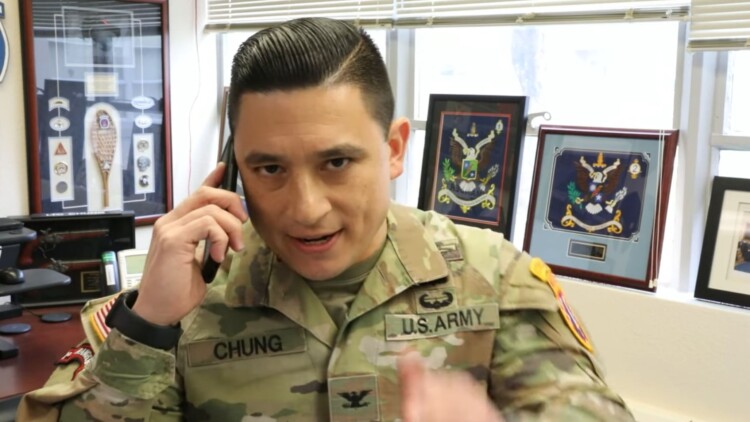
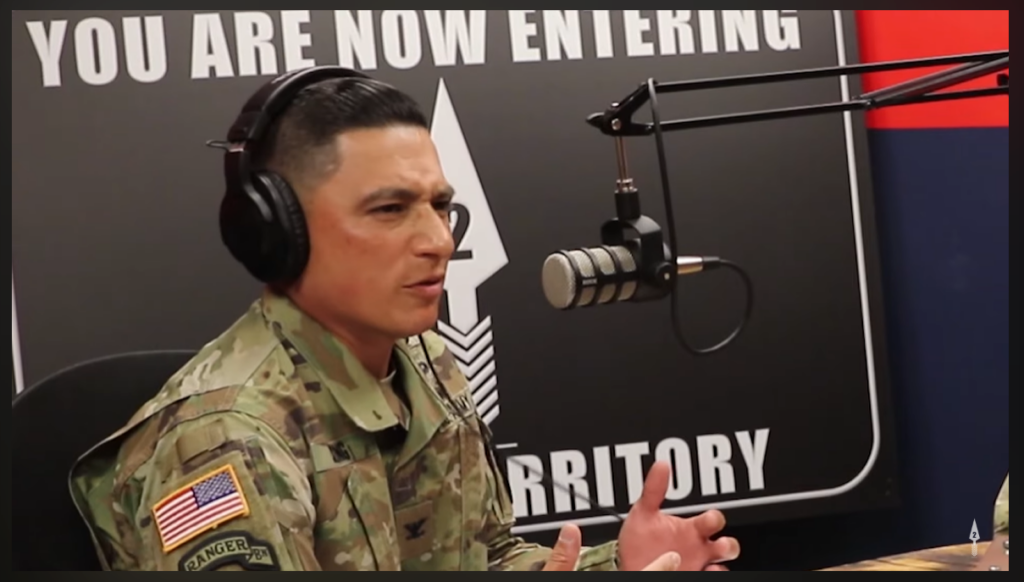
A commander in the 5th SFAB, who is serving as a supportive character witness in Chung’s investigation, argued that Chung’s strict leadership style simply rubbed some soldiers the wrong way and that they had never witnessed Chung berating or talking down to subordinates. This commander was put in contact with Military.com by Chung’s attorney.
Col. Jonathan Chung assumed command of the 5th Security Force Assistance Brigade today – stay tuned for the story! #AlwaysForward #SFAB pic.twitter.com/bNSRpAmwDE
— 5th SFAB (@5thSFAB) June 30, 2021
The Investigation Continues
As the investigation into Chung’s leadership continues, the outcome and any potential consequences remain uncertain. Nevertheless, his suspension underscores the Army’s commitment to addressing toxic leadership and enhancing unit morale and effectiveness.
Toxic leadership in the military is a problem that has been increasingly scrutinized in recent years. A 2021 report by the National Defense Business Institute revealed that 20% of active duty service members surveyed had experienced toxic leadership, which can lead to decreased morale, retention rates, and even mental health issues among those affected.
The 5th SFAB, a crucial training element in the Pacific, is tasked with building relationships with regional partner forces and training other militaries on U.S. ground combat tactics. Allegations against Chung suggest that his abrasive leadership style significantly undermined unit cohesion and demoralized subordinate officers, ultimately leading to his suspension and investigation.
Continued Denial
Chung has adamantly denied any involvement in illegal, immoral, or unethical activities, maintaining that the investigation focuses solely on “perceived counterproductive and toxic leadership issues.” While military officials have yet to provide specific details about the ongoing investigation, the allegations against Chung serve as a potent reminder of the importance of addressing toxic leadership in the military and fostering a culture of positive leadership practices.
To combat toxic leadership within its ranks, the military has been working to implement new training programs and policies to identify and rectify harmful leadership behaviors. These efforts are essential in promoting a healthy and supportive environment for service members, ensuring their well-being, and fostering a sense of camaraderie and teamwork.
The case of Col. Jonathan Chung highlights the broader issue of toxic leadership in the military and serves as a cautionary tale for both current and aspiring leaders. It underscores the need for military leaders to balance authority with empathy, understanding the impact their actions have on the morale and well-being of their subordinates.
As the investigation into Chung’s leadership unfolds, it will be crucial for the military to not only address this specific case but also to continue its ongoing efforts to eliminate toxic leadership from its ranks. By doing so, the military can ensure that it remains a cohesive and effective fighting force, one that is well-prepared to face the challenges of an increasingly complex and uncertain world.
In conclusion, the suspension of Col. Jonathan Chung, commander of the Army’s 5th Security Force Assistance Brigade, amid allegations of toxic leadership, is an essential reminder of the significant impact leadership styles can have on unit cohesion, morale, and overall effectiveness. As the investigation into Chung’s leadership continues, the military must remain steadfast in its commitment to rooting out toxic leadership and promoting positive leadership practices, ensuring the well-being of its service members and the strength of its fighting force.
—
** If you want to learn how to survive a toxic boss, click here.








COMMENTS