

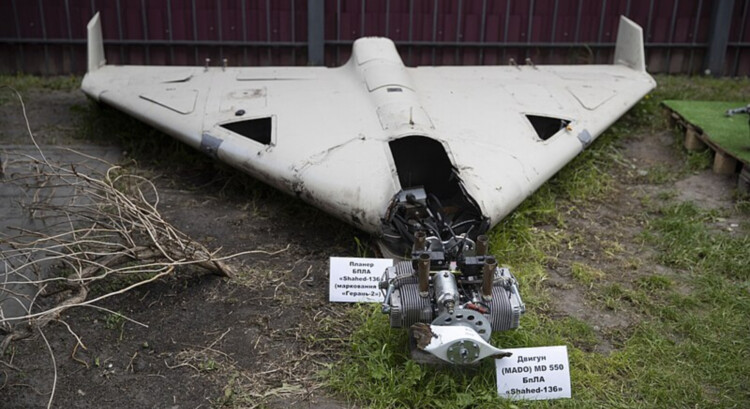
The Biden administration has expressed concern over the involvement of Iran in the conflict and has taken measures to investigate the illegal diversion of U.S. and Western components, including American-made microelectronics, into Iranian-made drones used by Russia. The fear is that these components could potentially be used in other military applications, leading to potential geopolitical implications.
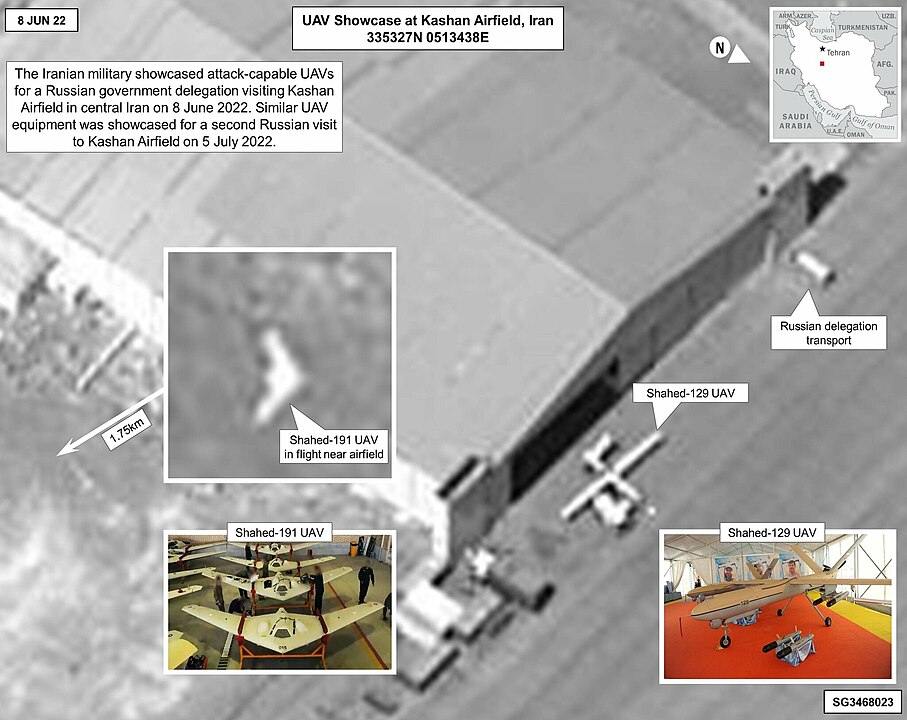
International Response and Implications
The news of Iran’s support to Russia has drawn sharp reactions from the international community. The United States and its allies have condemned Iran’s involvement, accusing Tehran of violating international norms and fueling regional conflict.
The situation has escalated to the point where it may require diplomatic intervention to prevent further escalation. The United Nations Security Council and other international organizations are being urged to take immediate action to address the issue and hold accountable those involved in supplying military equipment to Russia.
Challenges in Dealing with Rogue Actors
The revelation of Iran’s assistance to Russia underscores the challenges of dealing with rogue actors in global conflicts. Despite the proliferation of international norms and regulations, some nations continue to defy these standards to pursue their geopolitical interests.
⚡️Air Force: 8 Russian attack drones destroyed overnight.
The Ukrainian Air Force reported that on the night of July 27, Russia launched eight Iranian-made Shahed drones from the direction of Krasnodar region.
Photo: Oleksii Samsonov/Global Images Ukraine via Getty Images pic.twitter.com/990bQXQPqn
— The Kyiv Independent (@KyivIndependent) July 27, 2023
Dealing with such situations requires a multilateral approach, where the international community must work together to address the root causes of these activities and find diplomatic solutions to mitigate their impact on global stability and security.
Preventing the Proliferation of Military Technology
The collaboration between Iran and Russia in drone production also highlights the need for stricter monitoring and control of military technology transfers. Governments and international organizations must develop robust mechanisms to prevent the unauthorized diversion of military equipment and technology to countries involved in conflicts.
To prevent the unauthorized use of military technology, it is imperative that Western companies exercise due diligence in their supply chains. This requires transparent and accountable practices to ensure compliance with international regulations.
As the world faces this complex issue, a multilateral approach, diplomacy, and accountability will be essential in finding a peaceful resolution to the ongoing conflict and preventing the proliferation of military technology. The global community must work together to address the underlying causes of these actions and strive toward establishing a more secure and stable world order.








COMMENTS