

Subpoenas and Scope of the Investigation
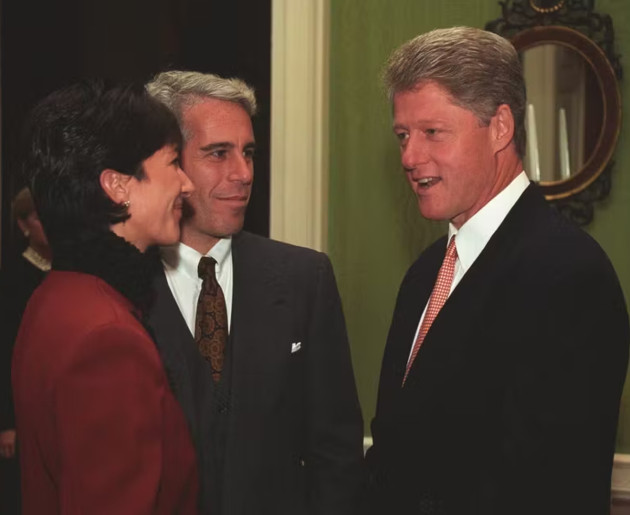
The subpoenas, issued in mid-2025, seek testimony regarding Epstein’s access to political institutions during the 1990s and early 2000s. Investigators have framed the probe as institutional, focused on access, influence, and oversight failures rather than allegations of criminal conduct by subpoenaed witnesses.
Neither Bill nor Hillary Clinton has been accused of criminal wrongdoing in connection with Epstein in this investigation.
Clinton representatives have said the former president and former secretary of state objected to appearing publicly under oath but agreed to cooperate through private depositions. They have described the inquiry as politically charged while acknowledging Congress’s oversight authority.
Justice Department Referral Remains Theoretical
Because the full House has not voted on the contempt resolutions, no referral to the Department of Justice has been made. Any enforcement action would require additional steps, including a House vote and prosecutorial discretion by federal authorities.
Historically, Justice Department responses to congressional contempt referrals involving senior political figures have varied, with many cases declining to proceed.
The administration has not commented publicly on the committee’s actions.
Epstein Case Continues to Reshape Oversight Battles
Epstein’s death in federal custody in 2019 did not end scrutiny of his network. Congressional investigations, civil litigation, and document releases have continued to raise questions about elite access, accountability, and institutional failure.
The Oversight Committee has positioned its inquiry as part of a broader effort to document how Epstein maintained proximity to power for years. Critics argue the investigation risks politicization; supporters say it addresses unresolved gaps in public understanding.
What Comes Next
The immediate focus now shifts to whether closed-door depositions satisfy committee demands. If negotiations break down, committee leaders could move to revive the contempt resolutions for full House consideration.
For Congress, the episode underscores the limits and leverage of oversight when investigating former senior officials. For the Clintons, it represents another chapter in a long-running political reckoning tied to Epstein’s enduring shadow over American institutions.
Ukraine Agrees to Multi-Tier Plan to Enforce Any Ceasefire With Russia
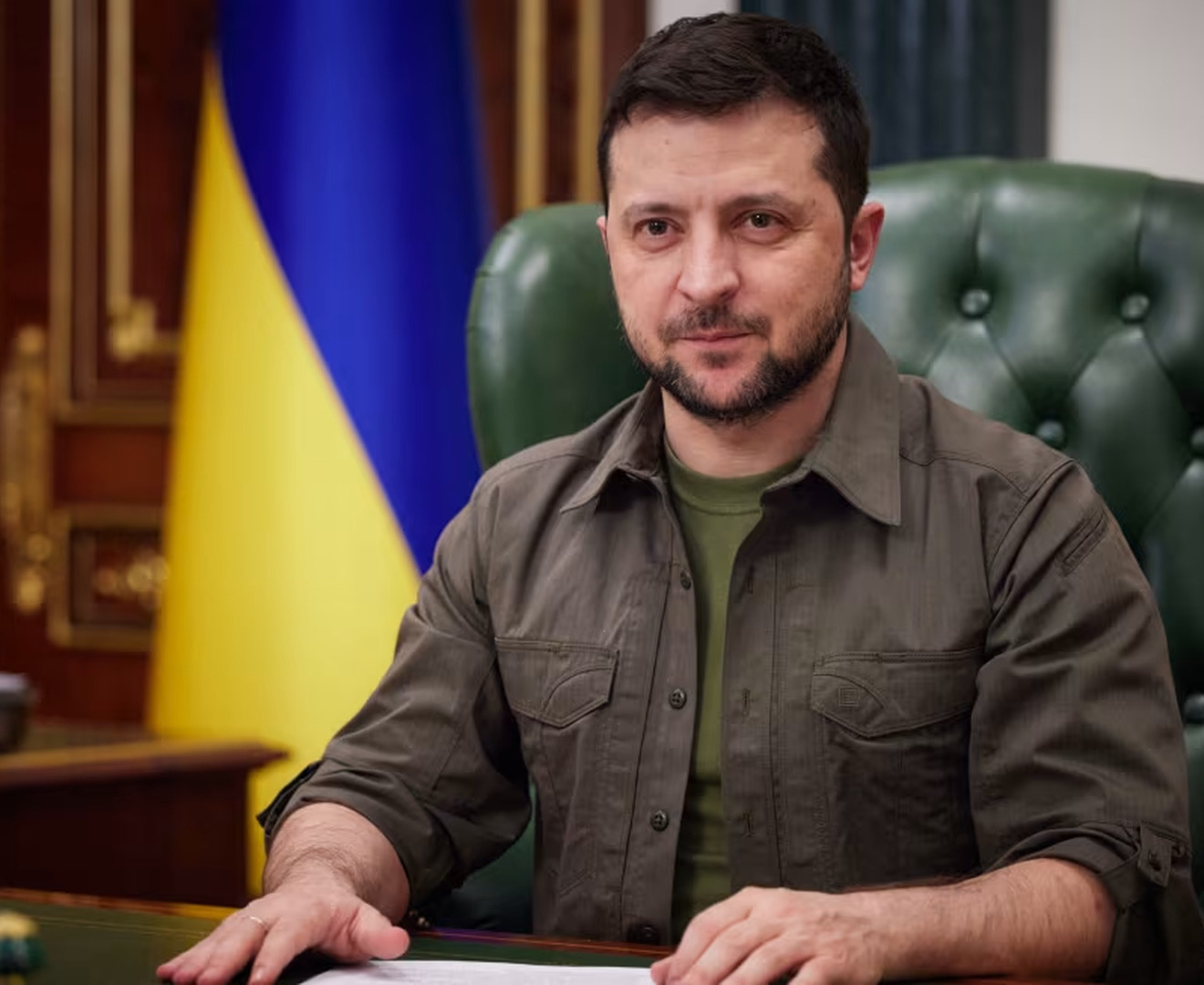
Ukraine has agreed to a multi-tier plan for enforcing any future ceasefire with Russia, according to reporting by the Financial Times, as Kyiv seeks to ensure that a pause in fighting does not simply allow Moscow to regroup and resume hostilities. The proposed framework reflects deep Ukrainian skepticism that Russia would honor a ceasefire without robust enforcement mechanisms.
The plan, discussed with Western partners, outlines a layered system combining Ukrainian forces, international monitoring, and external security guarantees. Ukrainian officials say past ceasefires have repeatedly collapsed due to Russian violations, reinforcing the need for verification and deterrence rather than trust-based arrangements.
Today, throughout the day, there were no missile strikes or “shaheds” targeting our infrastructure. This demonstrates that when the United States has the motive to really change the situation, the situation can change. pic.twitter.com/GwqcT3wLZ7
— Volodymyr Zelenskyy / Володимир Зеленський (@ZelenskyyUa) February 2, 2026
Enforcement Designed to Prevent Russian Reset
Under the proposed framework, frontline enforcement would remain with Ukrainian forces, supported by expanded monitoring and verification by international partners. Additional tiers would involve intelligence sharing, surveillance, and rapid-response mechanisms to address violations in real time.
Ukrainian officials cited Russia’s record of exploiting ceasefires to reposition forces, replenish ammunition, and launch renewed offensives. The plan is intended to deny Moscow that operational space while preserving Ukraine’s ability to respond militarily if violations occur.
The proposal does not assume the immediate deployment of large foreign peacekeeping forces, reflecting concerns about escalation and feasibility.
Western Backing Central to the Framework
The enforcement concept relies heavily on continued Western political and military support. Diplomatic sources told the Financial Times that the plan is being discussed with the United States and European allies as part of broader conversations about potential conflict stabilization scenarios.
While no formal ceasefire talks are underway, Ukrainian officials view the framework as a prerequisite for any future negotiations. They argue that enforcement clarity must precede diplomacy, not follow it.
Western governments have not publicly committed to the plan, but officials have acknowledged the need for stronger guarantees if ceasefire discussions advance.
No Indication of Concessions
Ukrainian leaders have emphasized that agreeing to an enforcement framework does not signal willingness to concede territory or accept frozen lines without security guarantees. Kyiv continues to state that sovereignty and territorial integrity remain non-negotiable.
The plan is framed as defensive and conditional, activated only in the event of a ceasefire agreement. Ukrainian officials have stressed that it is not a peace settlement and does not replace ongoing military operations.
Russia has not publicly commented on the reported framework.
Strategic Context
The proposal comes as battlefield dynamics remain fluid, with neither side achieving decisive breakthroughs. Ukraine has increasingly emphasized sustainability, force preservation, and long-term deterrence alongside continued resistance.
For Kyiv, the enforcement plan reflects lessons learned from earlier phases of the war, including failed agreements that lacked verification or credible consequences for violations.
What Comes Next
The framework is expected to remain under discussion among Ukraine and its partners, particularly as Western governments assess how to balance deterrence, escalation risks, and domestic political constraints.
Absent meaningful enforcement guarantees, Ukrainian officials have signaled they see little value in ceasefire arrangements that could leave the country more vulnerable than before.
Iran Summons EU Ambassadors Over Revolutionary Guard Terror Listing
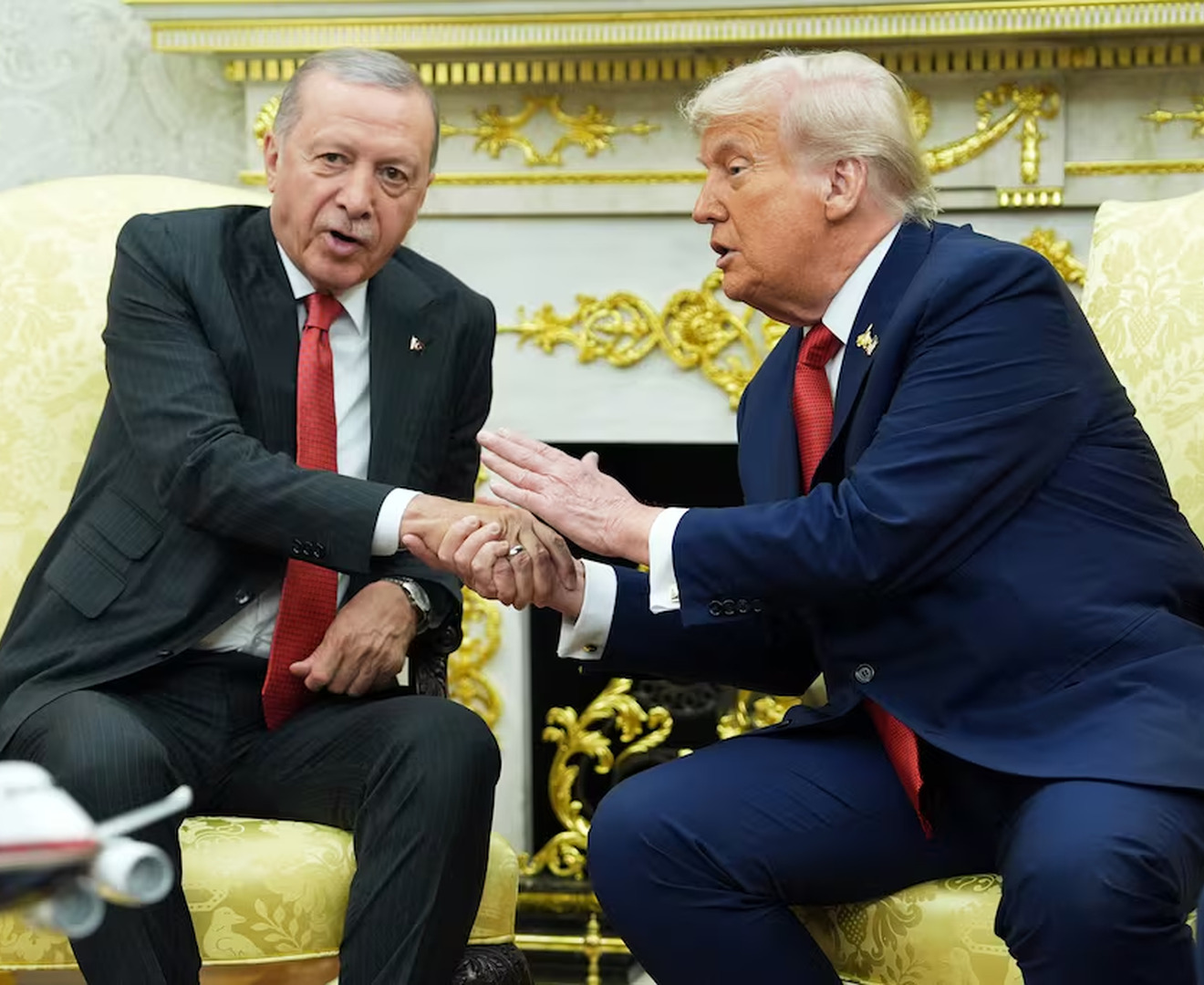
Iran has summoned European Union ambassadors in Tehran to protest the bloc’s decision to designate the Islamic Revolutionary Guard Corps as a terrorist organization, escalating diplomatic tensions amid continued unrest inside the country and mounting international pressure on Iran’s security apparatus.
Iran’s Foreign Ministry said the move was intended to formally convey Tehran’s objection to the EU decision, which it described as “illegal” and politically motivated. The summons follows the EU’s recent vote to add the Guard to its terrorism list over its role in suppressing nationwide protests.
Diplomatic Protest and Retaliatory Signals
Iranian officials said EU envoys were called in beginning Sunday to receive formal protests. Foreign Ministry spokesperson Esmail Baghaei warned that Tehran was reviewing reciprocal measures in response to what it views as a hostile escalation by European governments.
Iran’s parliament speaker said existing legislation allows Tehran to classify foreign military forces as terrorist entities in response to similar actions, a signal intended to deter further European pressure rather than announce immediate countermeasures.
EU Terror Listing Tied to Protest Crackdown
The EU’s designation centers on the Revolutionary Guard’s role in quelling mass protests that erupted across Iran in late 2025, driven by economic hardship and political repression. Human rights groups and European officials have accused the Guard of overseeing violent crackdowns that resulted in deaths, mass arrests, and widespread detentions.
The listing expands the EU’s sanctions framework and aligns it more closely with measures already in place in the United States, Canada, and several other Western countries. Iranian officials have rejected the accusations and maintain that the Guard operates lawfully under Iran’s constitution.
Military Posture and Regional Context
The diplomatic dispute unfolds against a backdrop of elevated regional tension. Western defense officials have pointed to the continued presence of U.S. carrier strike groups in the Persian Gulf and recently announced drills by the Guard’s naval components in the Strait of Hormuz, which were later cancelled following U.S. pressure.
Iranian leaders have repeatedly warned that any military action against the country would trigger a broader regional response, framing the EU’s decision as part of a wider Western pressure campaign rather than a standalone human rights measure.
Iranian drone is now spotted doing reconnaissance runs along the border of Armenia, Azerbaijan and Turkey a similar drone was seen near the US carrier strike group. pic.twitter.com/vNYNs4jOuc
— WarMonitor🇺🇦🇬🇧 (@WarMonitor3) February 2, 2026
European Response and Rejection Signals
While the European Union has not issued a unified response to Iran’s counter-threats, European capitals have signaled rejection of Tehran’s characterization of EU militaries as terrorist organizations, according to diplomatic officials familiar with the discussions.
EU officials have emphasized that the designation of the Revolutionary Guard is targeted and legal, and that the bloc remains open to diplomatic engagement despite the rising rhetoric.
What Comes Next
The immediate focus is on whether diplomatic channels can contain the dispute or whether symbolic escalation gives way to retaliatory sanctions or security measures. For Tehran, the confrontation reinforces its narrative of external pressure amid domestic unrest. For the EU, it represents a calculated step to increase accountability without triggering a direct military confrontation.
The standoff underscores how internal repression, regional security, and great-power diplomacy continue to converge around Iran’s security institutions.








COMMENTS