

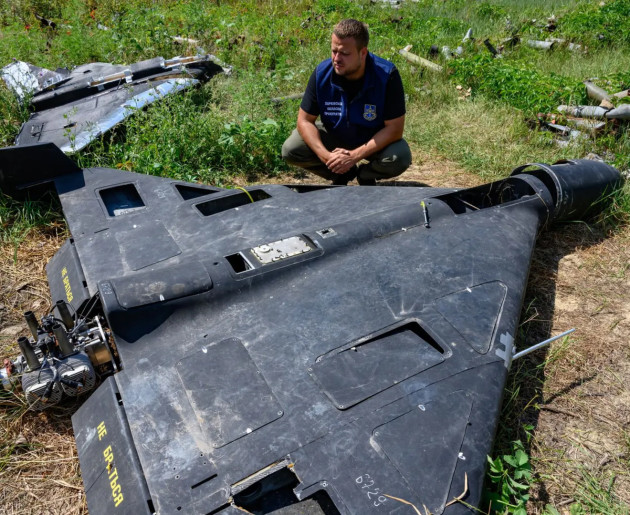
The mixed approach is designed to saturate air defenses by forcing Ukraine to expend high-value interceptors against low-cost threats. Western intelligence assessments indicate that Russia has stabilized missile production despite sanctions, aided by domestic manufacturing adjustments and continued access to foreign components through third-party supply chains.
Officials monitoring the strikes said the scale and sequencing suggested deliberate planning rather than opportunistic fire.
Air Defense Successes Underscore Interceptor Shortages
Ukrainian air defenses intercepted a significant share of incoming threats, continuing a pattern of improved effectiveness compared to earlier phases of the war. However, officials reiterated that interceptor availability remains the limiting factor.
President Volodymyr Zelensky again called for additional Patriot, NASAMS, and other Western air-defense systems, emphasizing that Ukraine’s ability to protect critical infrastructure depends on sustained resupply. Ukrainian commanders have repeatedly warned that even high interception rates become unsustainable if missile and drone volumes remain high.
U.S. and European officials said additional support options are under review, though no immediate announcements followed the strikes.
Strategic Messaging Aimed at Kyiv and Western Backers
Beyond physical damage, analysts said the strikes carried a political message. By sustaining pressure on civilian infrastructure during winter, Moscow appears intent on testing Ukrainian endurance and Western political resolve.
The timing coincides with ongoing debates in Washington and European capitals over long-term military aid packages. While NATO officials reiterated that alliance policy remains focused on defensive assistance, the continued infrastructure campaign reinforces the war’s attritional character.
For Kyiv, the attacks highlight a central reality of the conflict: air defense, production capacity, and external support are now as decisive as battlefield maneuver.
Vietnam Quietly Reassesses Defense Posture
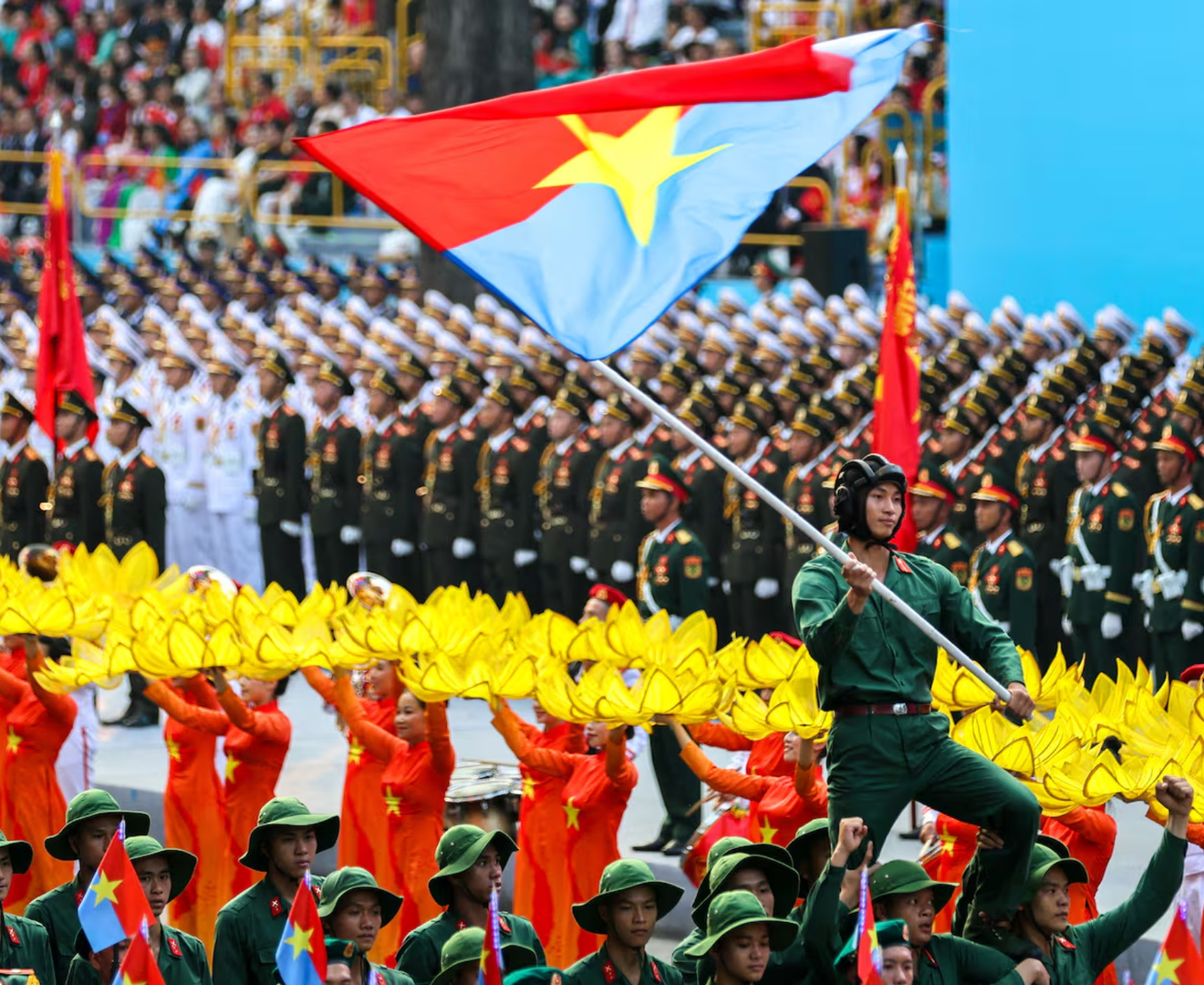
Vietnam is recalibrating its defense planning as regional security dynamics evolve, balancing historical non-alignment with growing concern over strategic uncertainty in Southeast Asia. Officials and analysts say Hanoi is emphasizing preparedness, deterrence, and selective partnerships without pursuing formal alliances.
Vietnam’s security doctrine remains shaped by its experience of past conflicts and its desire to preserve strategic autonomy. However, increased Chinese activity in the South China Sea has prompted renewed attention to defensive capabilities and contingency planning.
Strategic Autonomy Remains Central to Hanoi’s Approach
Vietnam continues to frame its defense posture around independence and self-reliance. The country avoids treaty obligations and emphasizes national resilience rather than external guarantees.
Defense planning prioritizes territorial defense, internal command continuity, and the ability to absorb pressure rather than project power. Vietnamese officials have consistently rejected the idea of choosing sides in major-power competition, instead pursuing flexible engagement with multiple partners.
This approach allows Hanoi to manage risk while avoiding overt alignment that could provoke retaliation or political backlash.
Expanding U.S.–Vietnam Defense Cooperation
Within those constraints, Vietnam has expanded practical military cooperation with the United States. Recent engagements have included port visits, defense dialogues, and limited training activities focused on maritime security and disaster response.
U.S. officials describe the relationship as capacity-building rather than alliance-based. For Washington, Vietnam represents a strategically significant partner whose geography and population contribute to regional stability without requiring formal commitments.
Vietnamese officials have been careful to emphasize that cooperation does not undermine relations with other powers.
China Looms as the Central Strategic Variable
China remains the dominant external factor shaping Vietnamese defense planning. Longstanding maritime disputes in the South China Sea, along with repeated incidents involving fishing vessels and energy exploration, have reinforced Vietnamese concerns over sovereignty.
At the same time, Vietnam maintains substantial economic ties with China, limiting its diplomatic flexibility. Analysts say this dual dependence explains Hanoi’s cautious tone and emphasis on quiet preparation rather than public signaling.
Defense investments in coastal missiles, air defenses, and surveillance systems suggest a strategy aimed at deterrence through denial rather than confrontation.
Regional Implications Extend Beyond Vietnam
Vietnam’s posture reflects a broader trend among Southeast Asian states navigating intensified U.S.–China competition. Rather than formal alliances, many governments are prioritizing resilience, ambiguity, and selective cooperation.
For regional planners, Vietnam’s approach illustrates how second-tier powers seek to preserve autonomy while hedging against long-term strategic pressure. The result is a security environment defined less by blocs than by overlapping partnerships and quiet preparations.
Libya Sees Symbolic End to Gaddafi Succession Claims
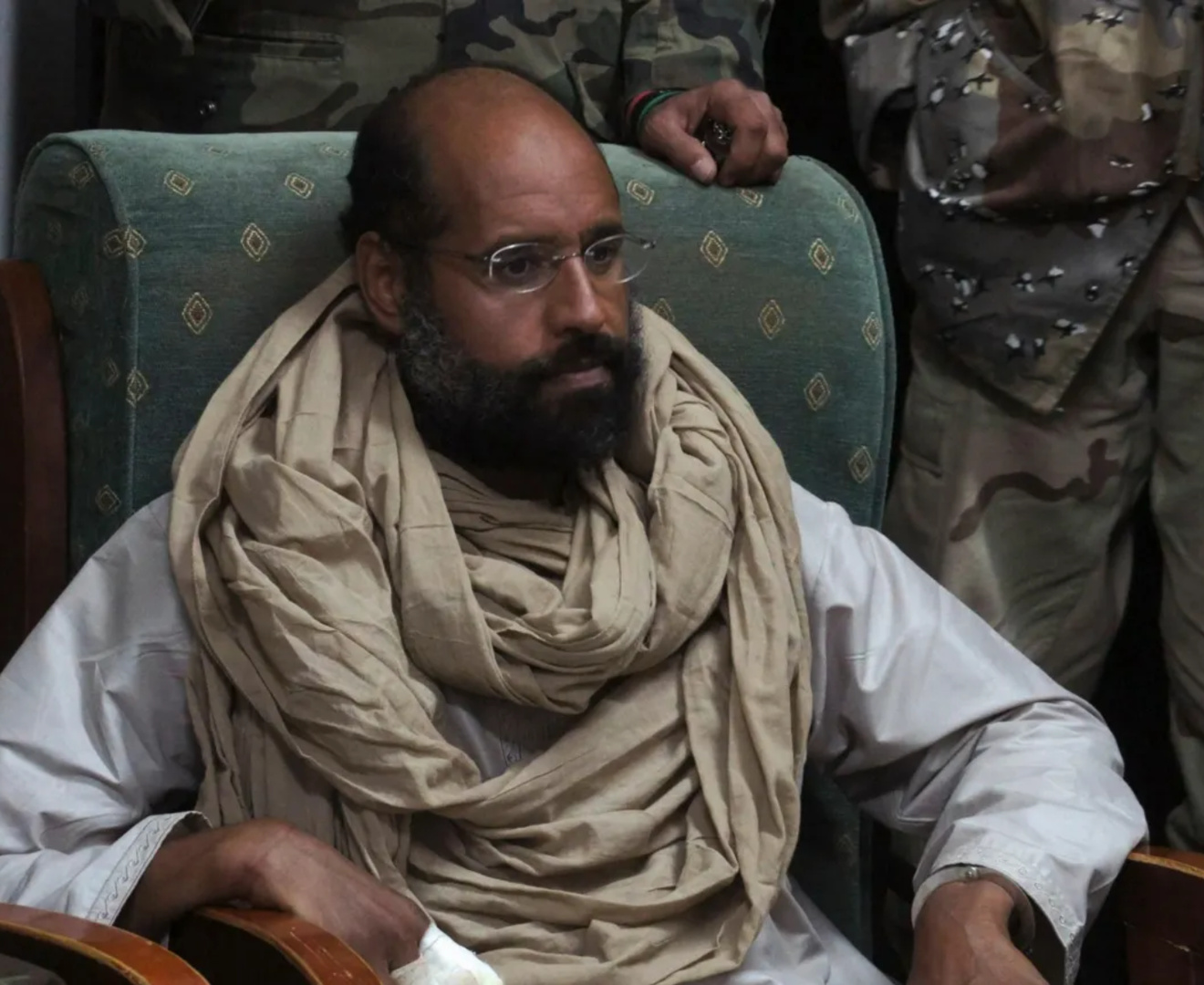
Libya’s fractured political landscape entered a new phase following reports that Saif al-Islam Gaddafi, son of former leader Muammar Gaddafi, was killed during violence in the country. His death removes a lingering figure from Libya’s post-2011 power equation and underscores the continued volatility of the state.
Saif al-Islam had remained a symbolic presence more than a decade after the collapse of his father’s regime. Though absent from day-to-day politics, he retained support among some constituencies and had been viewed by certain factions as a potential unifying figure or bargaining chip in Libya’s stalled political process.
Reflections on the Reported Death of Saif al-Islam Gaddafi
I cannot say for certain who stands to gain from the death of Saif al-Islam, the second son of the late Colonel Muammar Gaddafi.
I am still processing the information; for many years, he was the very heart of it. I… pic.twitter.com/CAcR5O8Q7Q
— khaled mahmoued (@khaledmahmoued1) February 3, 2026
A Figure Who Never Fully Exited the Political Stage
Following the 2011 NATO-backed uprising that ended Muammar Gaddafi’s rule, Saif al-Islam was captured, later released, and largely disappeared from public view. Despite this, he resurfaced periodically as a presidential contender and remained the subject of an outstanding International Criminal Court arrest warrant.
His ambiguous status reflected Libya’s unresolved postwar order. With competing governments, militias, and external backers, the country never fully settled the question of legitimacy or succession.
Analysts said Saif al-Islam’s death closes off one of the few remaining symbolic links to the pre-2011 state.
Militia Politics and Fragmented Authority Persist
Libya remains divided between rival political and military blocs, with armed groups exercising de facto control over territory and resources. National elections have repeatedly stalled, and transitional governments have struggled to assert authority.
The removal of Saif al-Islam is unlikely to resolve these structural problems. Instead, analysts warn it may further entrench fragmentation by eliminating a figure who, however controversially, represented a potential focal point for reconciliation among certain factions.
Foreign governments and international organizations have continued to call for renewed political talks, but progress has remained limited.
International Legal and Diplomatic Implications
Saif al-Islam’s death also has implications for international legal efforts related to Libya’s past. His case at the International Criminal Court symbolized broader accountability failures following the 2011 conflict.
With his death, prospects for judicial resolution recede further, reinforcing concerns among human rights advocates that Libya’s transitional justice process remains stalled.
Diplomatically, the development highlights the enduring instability of a country that remains strategically significant due to its energy resources, migration routes, and geographic position in North Africa.
Libya’s Political Process Remains Frozen
More than a decade after the fall of Muammar Gaddafi, Libya remains without a unified government or credible electoral roadmap. The death of Saif al-Islam underscores how unresolved legacies continue to shape the present.
For Libyans, analysts say the moment is less about closure than confirmation: the post-Gaddafi era remains defined by fragmentation, militia power, and deferred political settlement.
For external actors, the episode serves as another reminder that Libya’s instability remains a long-term condition rather than a transitional phase.








COMMENTS