

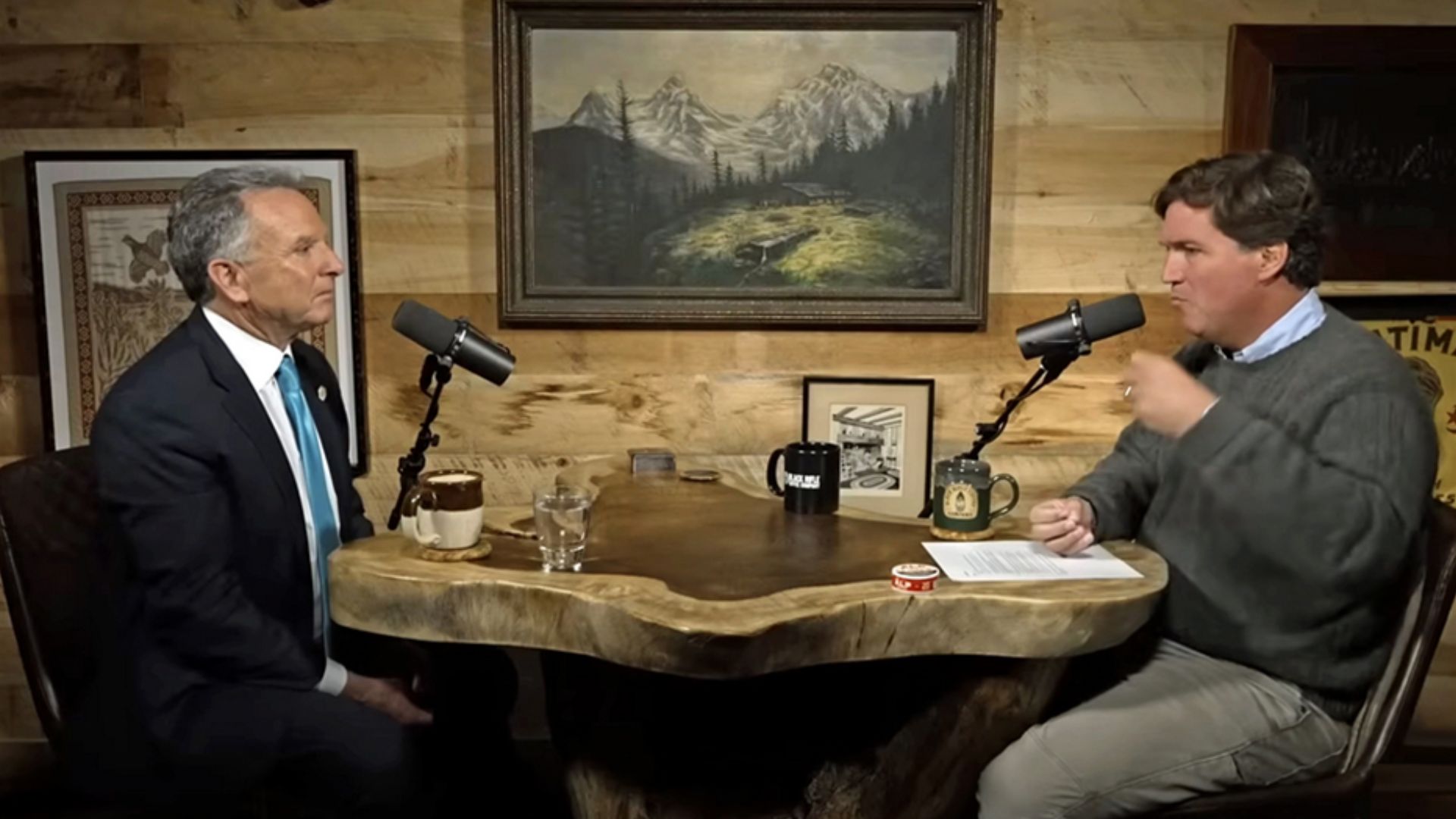
At 0:59:19 Witkoff says the goal is a comprehensive 30-day ceasefire, during which time the parties will discuss a permanent ceasefire. As I have said many times, ceasefires are traditionally the product of negotiations, not the other way around. So all the media stuff about forcing Russia to accept an unconditional ceasefire is colored bubbles. That’s fine because the sides are already at the table and talking. If they agree to a deal, we’ll get a ceasefire.
At 1:03:00 Witkoff states that the biggest issue in the negotiation is Russia’s claim on the four regions (really five, counting Crimea) all of which are now constitutionally part of Russia because the people have voted through referenda to be under Russian rule. There are also constitutional issues in Ukraine preventing them from giving up territory. Those territories are now occupied by Russian forces.
A related issue is that Ukraine has to guarantee protections for Russian speakers in whatever remains of Ukraine.
At 1:04:00 Witkoff states that Zelensky and Yermak have acknowledged that Ukraine will never be a member of NATO – a key Russian requirement for any peace deal. Ukraine must agree to neutrality. Note that Zelensky continues, almost every day, to speak about how Ukraine must join NATO for protection. This is one of several issues where Zelensky and the Ukrainians agree something with the Americans and repudiate it the next day. Happens all the time. Remember, Zelensky is already trying to broaden the scope of the 30-day energy ceasefire beyond that which was agreed. This makes mediation extremely difficult for President Trump and Steve Witkoff.
At 1:09:00 Witkoff talks about how President Putin prayed for Candidate Trump when he heard he had been shot (whether you believe it or not). President Putin gave Witkoff a portrait of President Trump, painted by a Russian artist, to take to the American president.
At 1:13:00 Witkoff states flat-out that there will be elections in Ukraine, and the Zelensky regime has agreed to it. He didn’t say when those elections will occur. I have never heard Zelensky commit to elections in public and seems to remain opposed.
At 1:14:00 Witkoff states that “now is the best time to get a deal for [Ukraine]” because “they are going to get ground down.” Let’s put it this way: Yesterday, Ukraine got the stuffing kicked out of it in Kursk. Witkoff is saying that, for Ukraine, the only good day is going to be yesterday. This is coming from a man who is cleared for US intel, as discussed in President Trump’s team briefings.
At 1:14:00 Witkoff says he has spoken to multiple European leaders and told them that the more they encourage Zelensky to persist, the more they lead him to expect limitless unconditional money and weapons, and the more they dis-serve Ukraine. Because the US cannot continue to give money and weapons without a business plan to resolve the conflict. And the US will not allow this conflict to suck them into World War III.
At 1:16:00 Witkoff says the European leaders’ position supporting Ukraine is a combination of being “a posture and a pose” and simplistic thinking that “we all have to be Winston Churchill.” Having said this in a public interview, Witkoff seems to reflect President Trump’s team’s view. One senses that they know it’s an issue that may need to be dealt with at the appropriate time.
At 1:20:00 Witkoff talks about the US and Russia collaborating on Iranian issues, where Russia has influence (see the SOFREP article Will President Trump Nuke Iran’s Nukes).
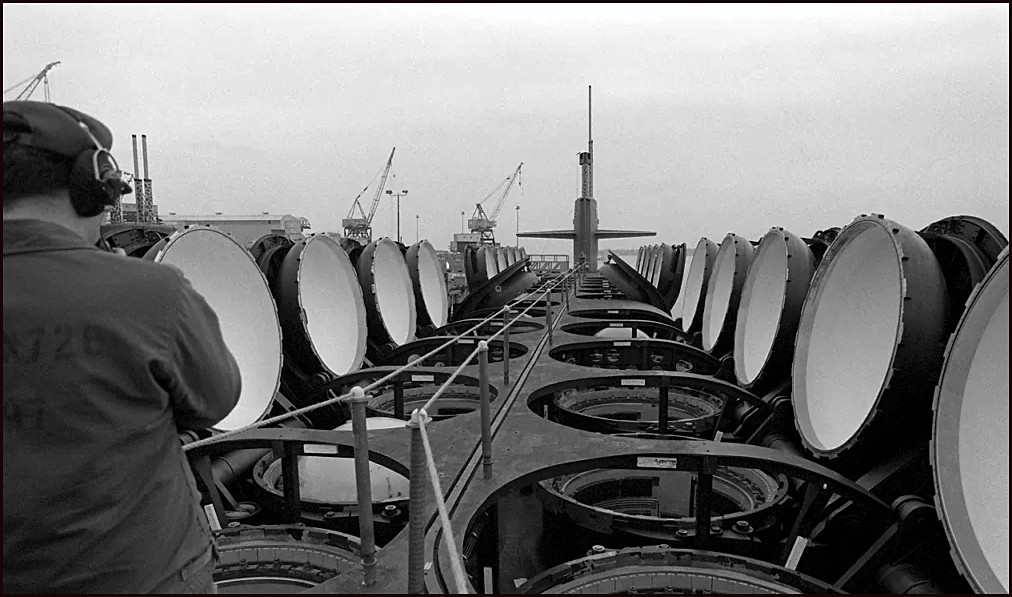
At 1:21:00 Witkoff talks about Russia’s “4:1 superiority” in population (it’s actually more like 8:1) and how the conflict will ultimately end in Ukraine being ground down, or God forbid, some kind of nuclear exchange.
Now is the time to make a deal.
Conclusion
It is unlikely that the full ceasefire President Trump and Steve Witkoff seek will be achieved before the key issues of 1) NATO membership (both the US and Ukraine have to formally agree), 2) the status of the 5 regions (including Crimea), 3) the size of the permitted Ukrainian army (I have heard 85,000 to 100,000), and other points, are successfully negotiated. Some, like renunciation/rejection of NATO membership for Ukraine, may need to be ratified by the US Senate).
When Zelensky says President Putin does not want a ceasefire, he is right – certainly not an unconditional ceasefire. It is obvious to all that the Russians are winning and Ukraine is being ground down. That means the Russians don’t need a ceasefire.
However, the Russians are willing to agree to a peace deal if their concerns can be satisfied. It looks very much like the United States is cajoling Ukraine toward the Istanbul Plus position discussed in this SOFREP article: Istanbul Plus Ceasefire.
The journey to a solution will not be easy, complicated by the Ukrainians’ reluctance to make concessions. However, it is clear that the American side understands the necessary concessions will become even more demanding the longer negotiations take.
About the Author
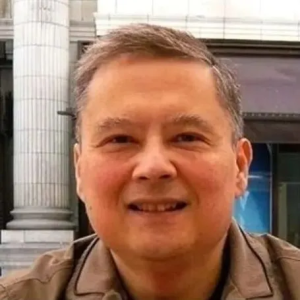
You may reach Cameron at: [email protected]
Cameron Curtis has spent thirty years in the financial markets as a trader and risk manager. He was on the trade floor when Saddam’s tanks rolled into Kuwait, when the air wars opened over Baghdad and Belgrade, and when the financial crisis swallowed the world. He’s studied military affairs and warfare all his adult life. His popular Breed series of military adventure thrillers are admired for combining deep expertise with propulsive action. The premises are realistic, the stories adrenaline-fueled and emotionally engaging.
Check out the books here: Cameron Curtis’s Amazon Page
For a limited time, the first four books are available at a special price:









COMMENTS