The Ukrainian city of Rubizhne has been fiercely resisting Russian attacks since mid-March, with the UR-77 Mine Clearing Vehicle, nicknamed Meteorite, being used in unconventional offensive roles. This vehicle has been employed to launch explosive charges against key structures, including the Institute of Physics, Mathematics, and Information Technology, highlighting the intense urban warfare occurring in the region.
Key points from this article:
The UR-77 Mine Clearing Vehicle, known as Meteorite, has been used offensively by Ukrainian forces in Rubizhne against Russian attackers.
How the use of the Meteorite in urban combat has led to significant destruction, including a recent strike on the Institute of Physics, Mathematics, and Information Technology, which was occupied by Ukrainian fighters.
Why the capture of at least 9 Meteorites by Ukrainian forces underscores the ongoing tactical shifts and challenges faced by Russian troops in the conflict.
Updating summary...
Putin Using UR-77 Meteorite Mine Clearing Vehicles as Offensive Weapons
Guy D. McCardle
Speed
1x
Listen
COMMENTS
Putin’s army has tried every means thinkable to take the Ukrainian City of Rubizhne. Some weapons were used in unconventional ways. Take, for instance, their use of the UR-77 Mine Clearing Vehicle, nicknamed the Meteorite.
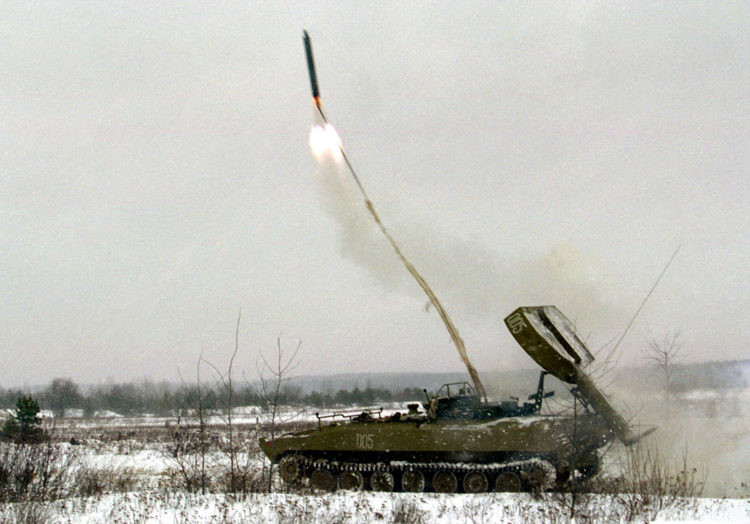
Russia's UR-77 Meteorite is supposed to be used to clear an area of mines. Image Credit: Viktor Tolochko
Off Label Use
Since mid-March, the Ukrainian City of Rubizhne has bravely been holding out against Russian attackers. To say the Ukrainians have taken a beating would be quite an understatement. Putin’s army has tried every means thinkable to take the eastern Ukraine town of 56,700 (before the war) citizens. Some weapons were used in unconventional ways. Take, for instance, their use of the UR-77 Mine Clearing Vehicle, nicknamed the Meteorite.
Advertisement
It doesn’t look much like a badass machine capable of tremendous destruction, but have a look at what it does. Video courtesy of YouTube and Crux.
Destroying Civilian Structures
During the battle of Rubizhne, Ukrainian fighters were using the campus of the RPK Poray-Koshitsy college as a hold-out fighting position. As you can see in the video above, a rather ordinary-looking tracked vehicle launches a projectile into the center of an already devastated urban landscape. However, if you look closely, you can see something resembling a rope trailing the projectile; that’s a 90-meter-long explosive charge.
Advertisement
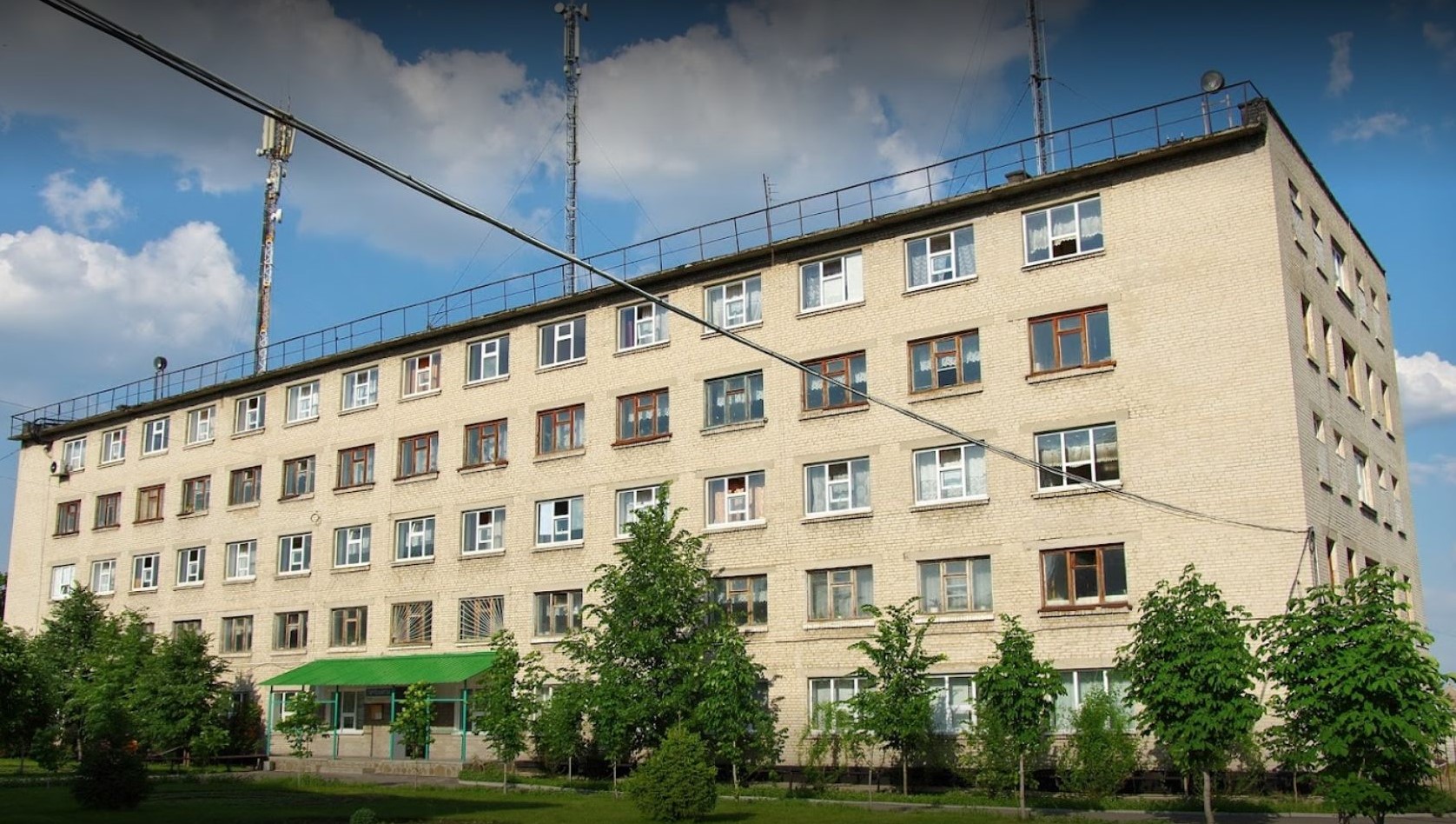
The building it is heading into is (or was) the five-story Institute of Physics, Mathematics, and Information Technology.
A pre-strike image of the Institute building being used by Ukrainian forces. Image courtesy of Google Earth.
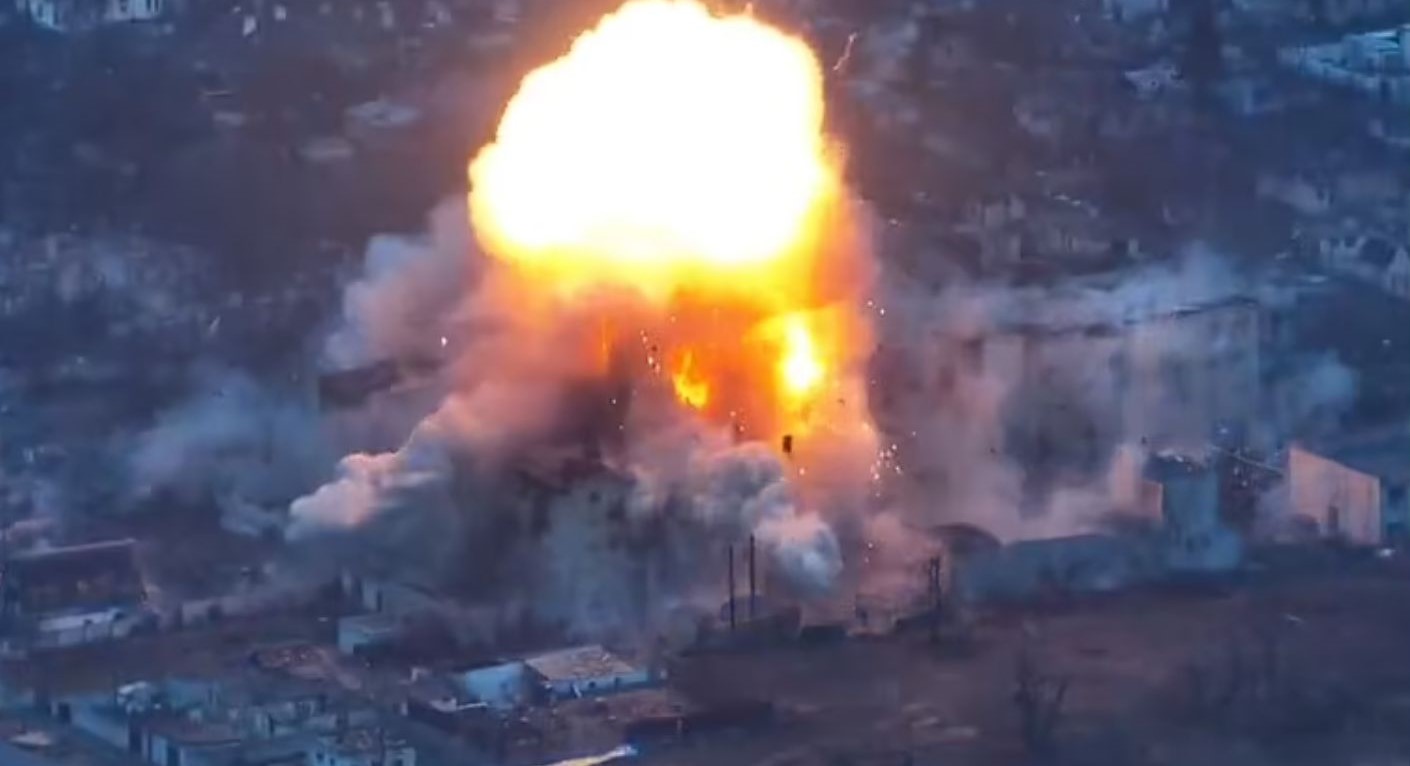
The explosion you witness in the video is 1,600 lbs of PVV-7 plastic explosive detonating all at once.
Advertisement
The targeted building a fraction of a second after detonation. Image Credit: dailymail.co.uk
Friendly Fire
The attack on the college in Rubizhne wasn’t the only known offensive use of the Meteorite in Ukraine. It was also used when Russian troops tried to take Donetsk International Airport multiple times in Mariupol. In addition, there is a history of Meteorites being used by the Russians as offensive weapons during the Chechen war. However, their efforts on this front didn’t always have the intended effect. Twenty-eight Russian Special Forces operators were killed near Grozny in a friendly fire incident involving the UR-77.
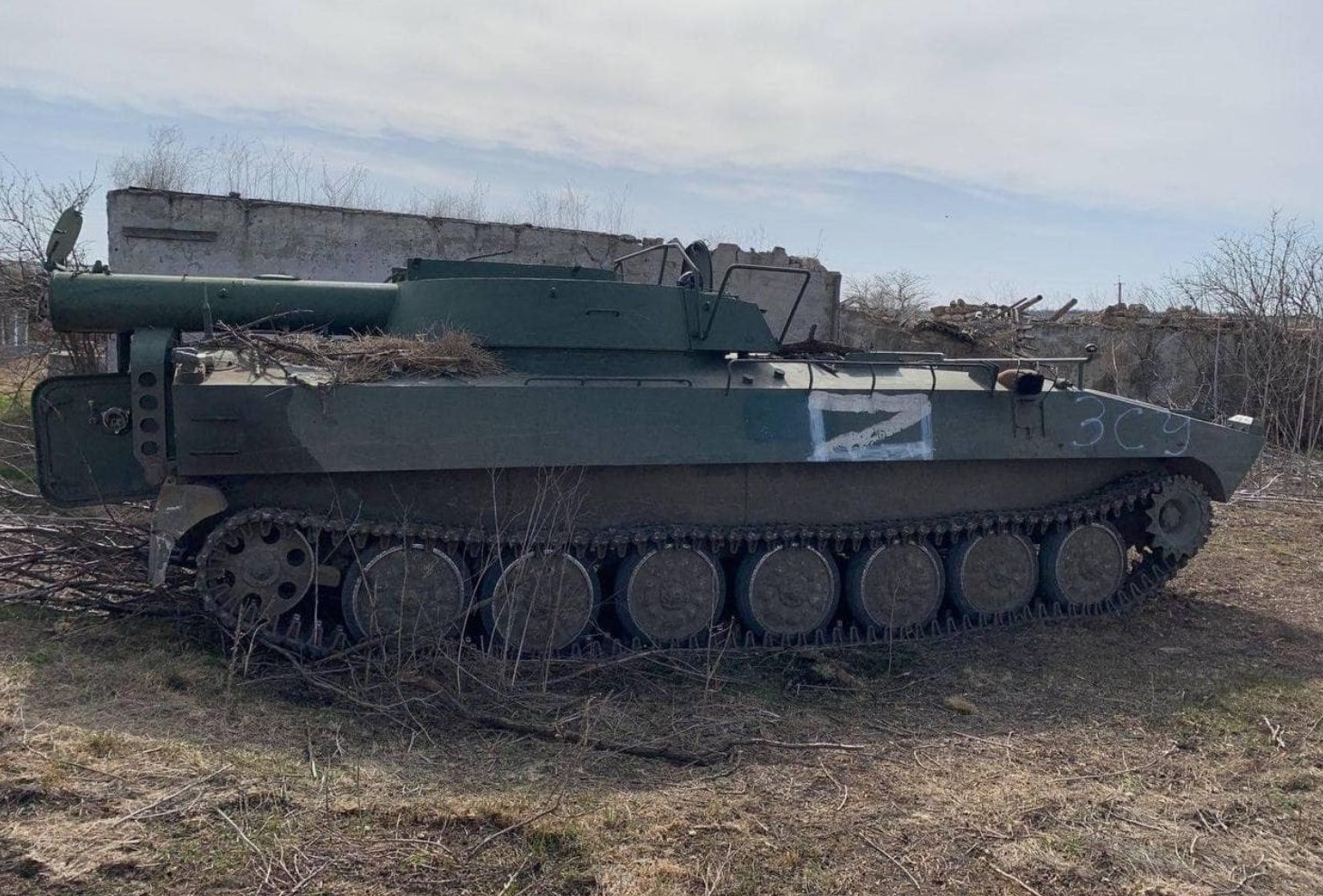
During the course of recent hostilities in Ukraine, its army has managed to capture at least 9 of the Meteorites either through force or after their Russian crews abandoned them.
One of the Russian Meteorites captured by Ukrainian forces. The letter “Z” denotes that the vehicle is from the Eastern Military District. Image Credit: mil.in.ua
A Fire Spewing Dragon
The Soviets designed the UR-77 in the 1970s to help their engineers clear minefields quickly. NATO has equipment with similar capabilities. In addition to the nickname “Meteorite,” you’ll sometimes hear this piece of equipment colorfully referred to as the “Gorynych Serpent,” a reference to a fictional fire-spewing dragon from Russian fairy tales and myths.
Advertisement
The Meteorite uses the same tracked chassis as the 2S1 Gvozidika self-propelled howitzer. Its roof-mounted launcher can fire two line charges. First, a rocket is fired, pulling the explosive line charges over a minefield where they are detonated. The overpressure of the explosion blows up many types of mines and displaces others.
These are intended to be operated near the front lines of battle but were not purpose-built to participate directly in combat. Since this is a lightly armored vehicle, other mechanized forces and artillery are required to provide cover fire when they are employed near enemy positions. What little steel armor there is protects the crew from small arms fire and shell splinters. Ironically, the UR-77 mine sweeper does not feature protection against mines.
COMMENTS