

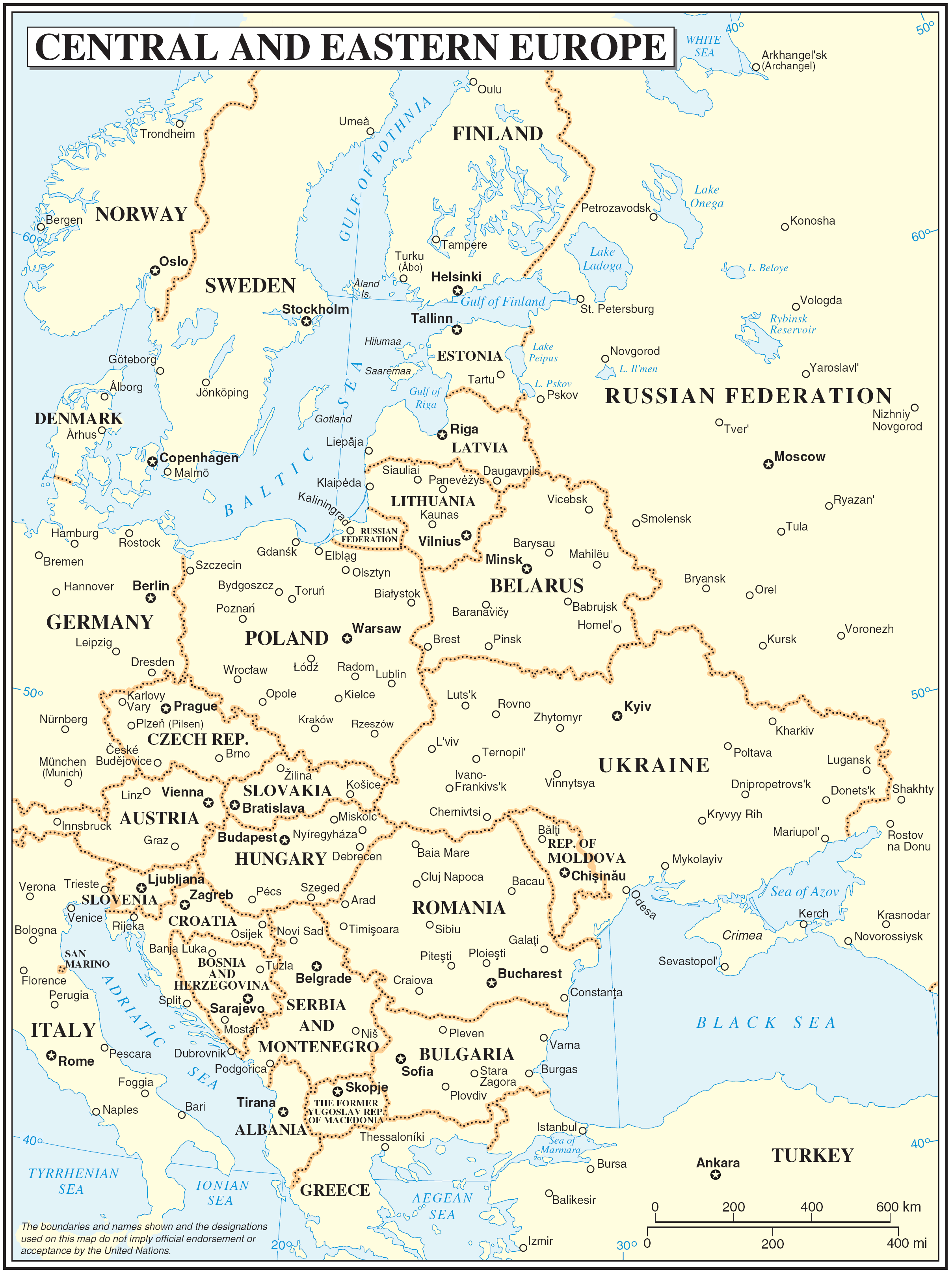
In this scenario, the nominal strategic gains Moscow has achieved by destabilizing Eastern Ukraine include effectively impeding Kiev’s effort to integrate into European community via the EU and/or NATO in the next few years. This scenario assumes that the outlined mission in embarking to provide clandestine support to insurrectionist elements was limited to Ukraine and was narrowly targeted specifically to prevent Ukraine from permanently joining the EU and NATO.
This scenario is highly unlikely for a number of reasons. Policy makers and strategists in Moscow largely view the destablization of Ukraine and its seeming inability to pursue integration into the EU and NATO as a dramatic success. Further, the destabilization of Donbas should be viewed within the larger context of Moscow’s strategic vision for the post-Soviet space as a whole. The resurgence of Russian imperialism has as its primary focus the permanent integration of the regimes of the former Soviet republics within the structure of Russian foreign policy priority management.
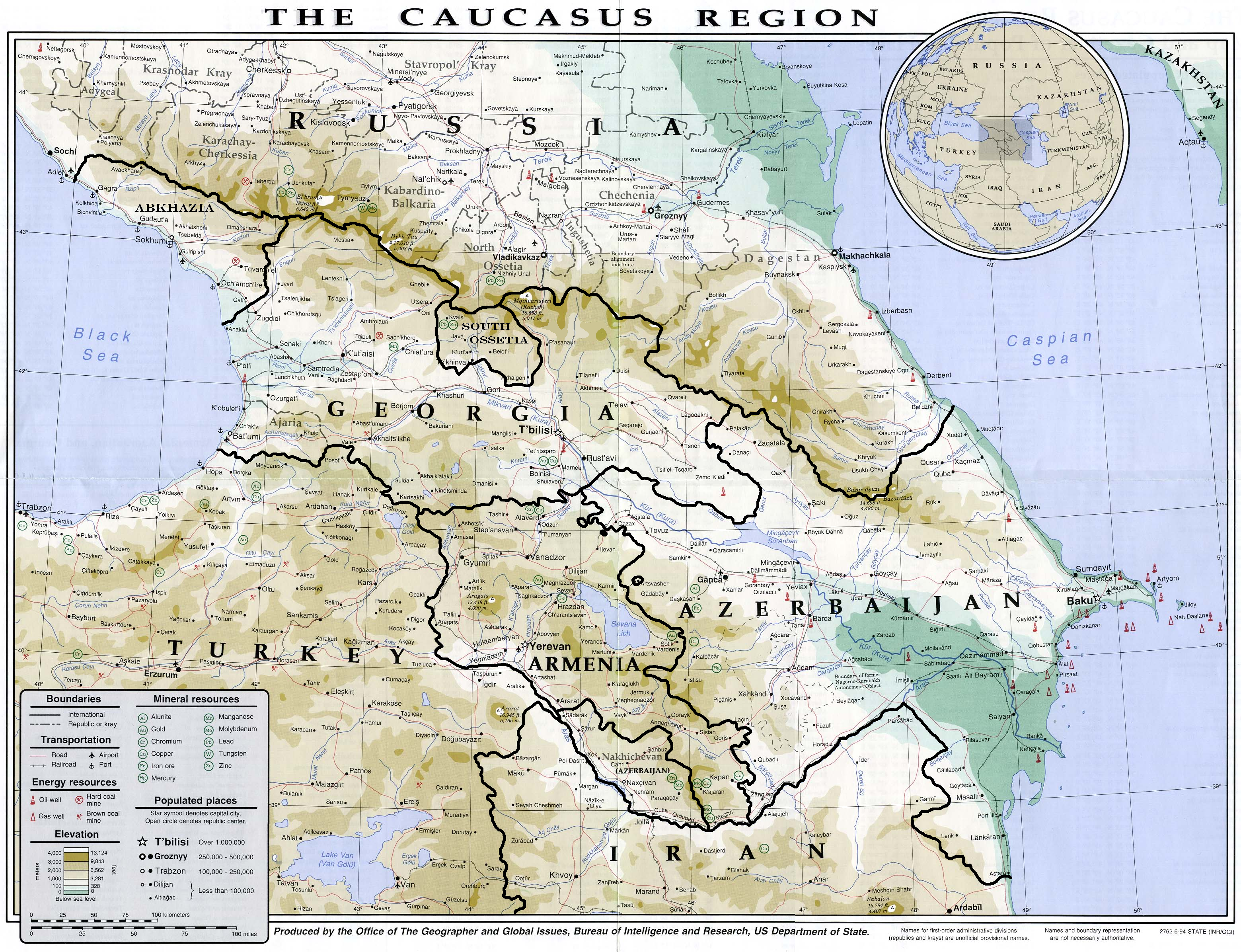
This assertion is evident in the joint military agreement that Moscow is pursuing with Abkhazia and the integration of the EEU member states. Specifically, the EEU member states will find their national strategic interests mirroring the economic and geopolitical goals of the regime in Moscow. In this regard, the targeting of separatist movements in Donbas and the annexation of Crimea are harbingers for what Moscow will spread to Transnistria, Abkhazia, and South Ossetia
In dominating the governments of the former Soviet republics, Moscow pursues a policy that co-opts the national priorities of the regimes in the capitals of the independent states, ensuring that national policies in those states conflate with and serve to burgeon the national interests of Russia. Scenario one is unlikely largely because Kremlin strategists believe that they can duplicate the success of fomenting conflict in Donbas in places such as Moldova and Georgia where there are large numbers of ethnic Russians and greater support for closer ties with Moscow.
Scenario two: Moscow assesses a success in freezing Donbas and identifies an opportunity to capitalize on the gain and ride the initiative to significantly intensified influence in Eastern Europe as a whole.
In this scenario, Russian military and intelligence elements would spread the battlefield, interloping in other tenuously stabile areas such as Transnistria and Găgăuzia in Moldvoa and into Russia’s southern flank to the separatist regions of Abkhazia and South Ossetia in Georgia.
This scenario is much more likely to appeal to strategists in Moscow, specifically in the intelligence services and the military. The successful embedding and integration of Russian intelligence and military personnel in fomenting the dissent and sparking the shooting war in Donbas has more than likely enticed leaders in the Kremlin to pursue similar tracts of action throughout the post-Soviet space.
Policymakers also likely view the failure of Western regimes such as NATO to prevent the annexation of Crimea as a solid assessment of what the West views as strategic necessities; while Ukraine is now highly unstable, NATO has not committed troops or pledged military support for Kiev in battling the insurgency in Donbas. Moscow has read this as an opportunity to re-establish dominance and re-assert its influence over former Soviet republics from Moldova and Georgia to Tajikistan and Kyrgyzstan in Central Asia.
The Way Ahead
The upcoming launch of the EEU and its recent integration of Armenia to the founding member states of Russia, Belarus, and Kazakhstan signals a significant resurgence of Russian influence over the post-Soviet space in both Eastern Europe and Central Asia. In subsequent articles in this series, I will analyze just where Moscow will apply pressure next, how interference will be intensified to influence capitals from Chisinau to Dushanbe, and why this progression and evolution in Russian policy towards its near-abroad matters for the future of United States foreign policy. I will analyze Russian interference in Eastern Europe, assess where the next conflicts will flare up, and how Russia will seek to expand its influence over the post-Soviet states of Central Asia.
The way ahead is likely to include violent conflict and the results could be disastrous for the future of development and democracy in former Soviet states. Authoritarian regimes in places such as Turkmenistan, Kazakhstan, and Tajikistan will soon come under intensified pressure to support the Kremlin’s pursuit of a resurgent imperialist Russian foreign policy. Russian strategists have already begun to leverage the disastrous success of their war in Donbas in pursuing similar gains throughout the post-Soviet space.
In part two, I will analyze the impact of Russian policy regionally: Eastern Europe and Central Asia. You can find additional background on strategic points of geopolitical value along the line of demarcation separating the West and Russia in my Fracture Points series both here at SOFREP and at Foreign Intrigue:
- Fracture Points (Eastern Europe) at Foreign Intrigue
- Fracture Points (Eastern Europe) Part Two at Foreign Intrigue
- Russia and the West: Fracture Points (Abkhazia) at Foreign Intrigue
- Ukraine, Russia, and the West: Ahead and Beyond at Foreign Intrigue
- Russia and the West: Fracture Points (South Ossetia) at SOFREP
- Presidential Election in Abkhazia and the Marginalization of Minorities at SOFREP
- Abkhazia: The Next Crimea? at SOFREP
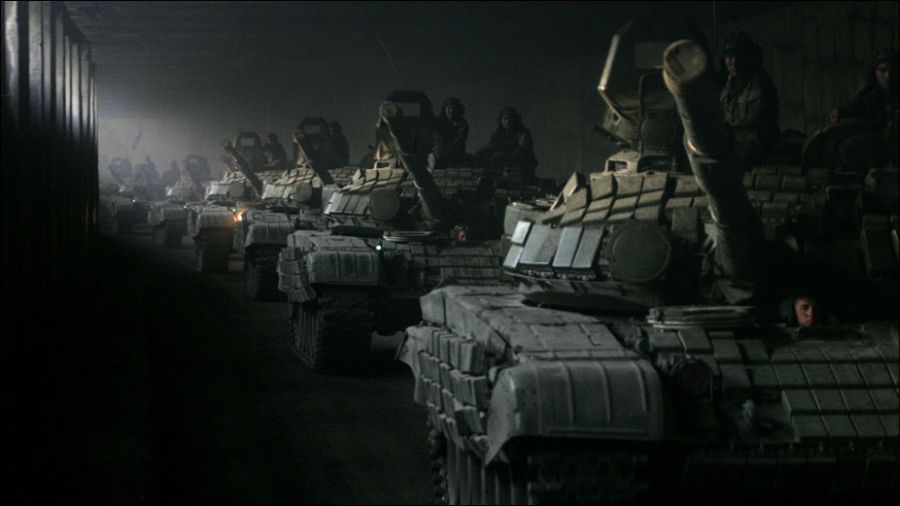
(Featured Image Courtesy: Army-News.RU)








COMMENTS