

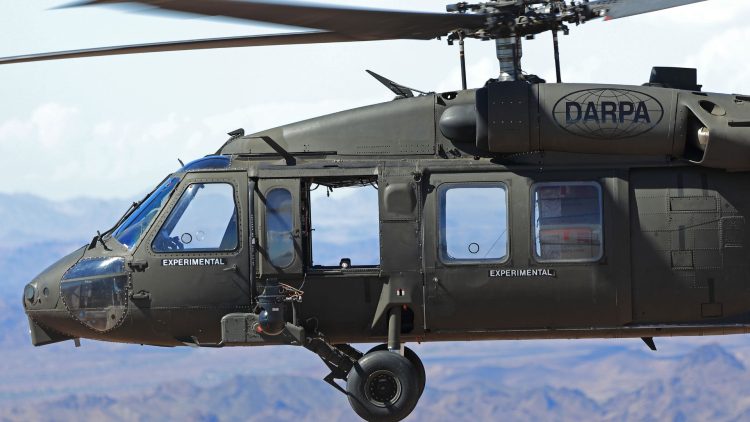
Autonomous helicopters could undertake tasks such as supply runs, casualty evacuations, and reconnaissance missions, freeing up human pilots for more complex roles.
Rich Benton, Sikorsky’s vice president and general manager, emphasized that “autonomy-enabled aircraft” could provide flexibility in all weather conditions, day or night. This flexibility will be crucial in future combat scenarios where the environment and threat landscape can change rapidly.
Navigating Challenges and Lessons from the Past
However, the journey toward fully autonomous military aviation is not without its challenges. While the ALIAS program promises to reduce pilot workload and improve flight safety, integrating such advanced technology is not without risks.
In recent years, there have been several aviation mishaps, even with manned aircraft. For instance, in 2020, a US Air Force MQ-9 Reaper drone crashed due to an autopilot system malfunction. While not directly comparable to the Black Hawk, it does raise questions about how reliable autonomous systems can be in complex scenarios.
For the Army, the key will be to ensure that the ALIAS/MATRIX system undergoes rigorous testing and validation before full-scale deployment.
Integrating autonomy into an existing platform like the Black Hawk does have advantages—it allows for testing on a known, reliable aircraft while gradually maturing the technology.
The Timing Couldn’t Be Better
As the Army continues to modernize, it is looking to maintain the relevance of platforms like the Black Hawk well into the 2070s.
The incorporation of the ALIAS/MATRIX system represents a forward-looking approach to ensuring that current assets remain adaptable to future threats.
With rising global tensions and increasingly contested airspace, the ability to deploy helicopters that can operate autonomously will give the Army a tactical edge.
The upcoming integration will involve testing not just the flight autonomy itself, but also various sensor suites to detect and avoid obstacles, threats, and difficult terrain. This holistic approach aims to refine both the hardware and the software to create a flexible, scalable autonomy system.
Final Thoughts: A Glimpse into the Future
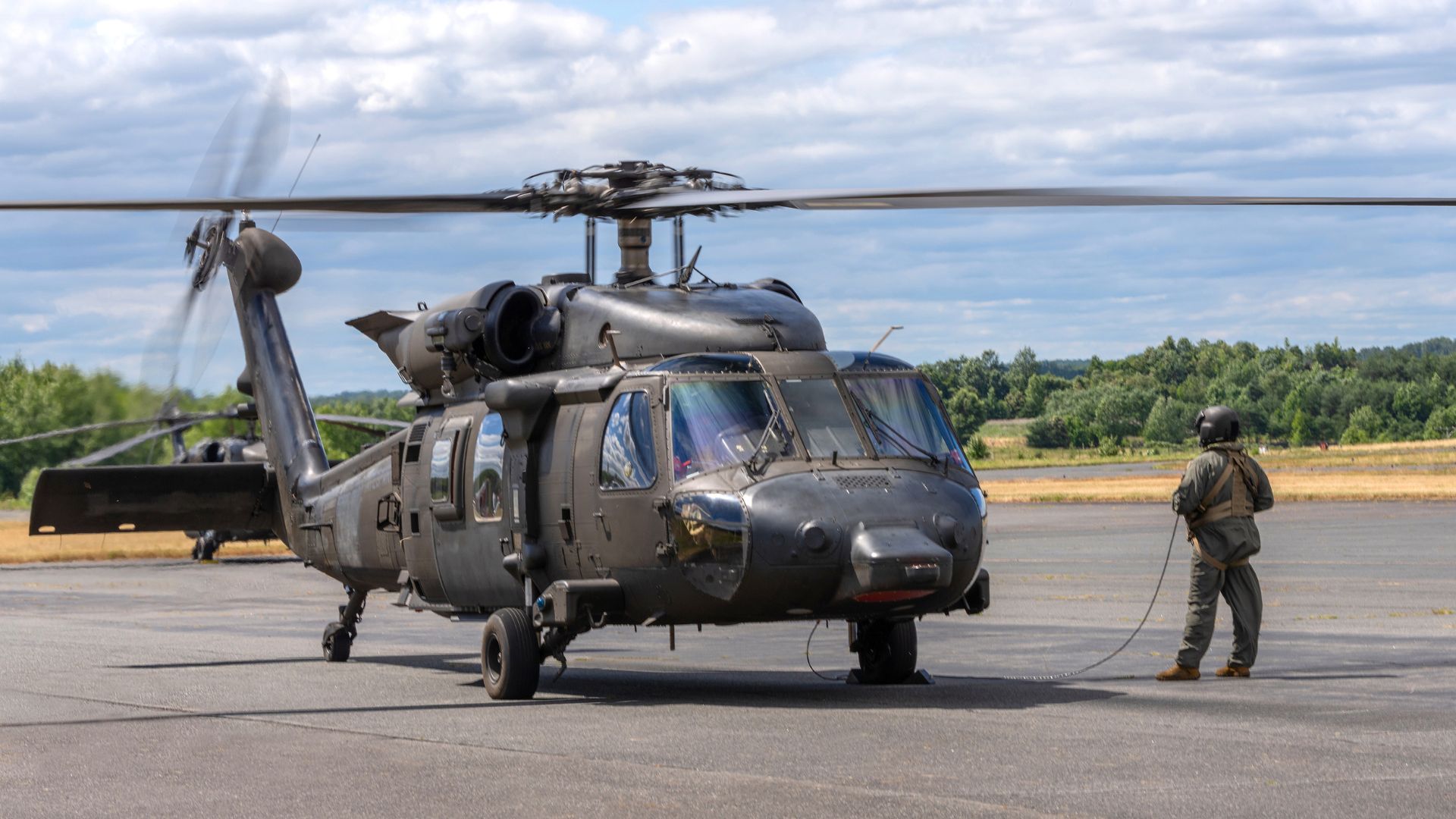
The ALIAS/MATRIX integration in the Black Hawk is more than just a technology upgrade; it is a glimpse into the future of military aviation.
It promises to revolutionize how the Army conducts air operations by combining the reliability of a trusted platform with cutting-edge autonomous capabilities. As Sikorsky works on integrating this technology, it will be crucial to learn from each test and demonstration, continually refining the system to ensure it meets the demanding needs of modern warfare.
The Black Hawk has long been a symbol of versatility and durability. With the addition of the ALIAS/MATRIX autonomy system, it is about to become a symbol of the future—a future where autonomy plays a central role in keeping soldiers safe while expanding the boundaries of what’s possible in military aviation.
—
Disclaimer: SOFREP utilizes AI for image generation and article research. Occasionally, it’s like handing a chimpanzee the keys to your liquor cabinet. It’s not always perfect and if a mistake is made, we own up to it full stop. In a world where information comes at us in tidal waves, it is an important tool that helps us sift through the brass for live rounds.








COMMENTS