

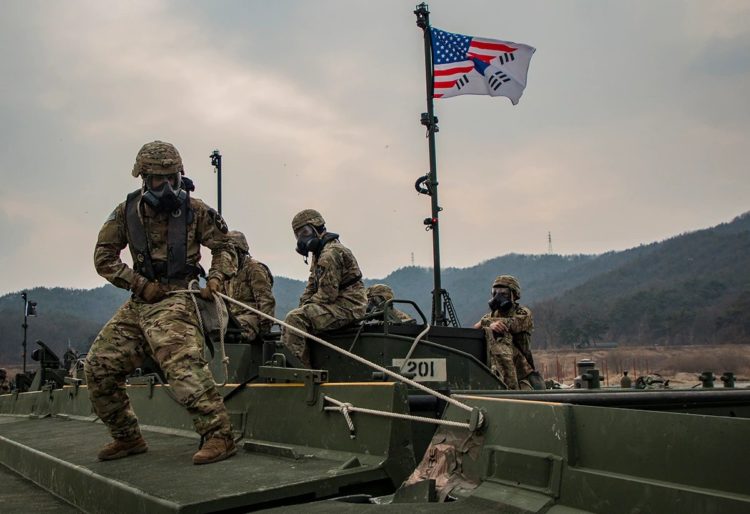
The allies responded by launching eight missiles during its military exercise the following week, demonstrating to the North that they could readily retaliate.
U.S., South Korea respond to North Korea missile launch with military exercise: https://t.co/FZ1zHOhdQI pic.twitter.com/zEjuWSmfmy
— CBS News (@CBSNews) July 5, 2017
President Joe Biden and President Yoon recently met that month and “agree to initiate discussions to expand the scope and scale of combined military exercises and training on and around the Korean Peninsula,” a joint statement said.
With the recent accomplishments of the alliance, both leaders also pledged to continue building off its “rock-solid foundation” of the US to deploy its military assets in a timely and coordinated manner” and to enhance such measures and identify new or additional steps to reinforce deterrence in the face of DPRK destabilizing activities,” it added.
Despite the preparing to counter any provocation, Yoon reiterated that the door to diplomacy and dialogue would always be left open for the North.
US pivotal role as South Korean allies
Founded in their shared sacrifice and honored by deep security ties, the alliance between the two nations continues to evolve and expand over recent years. The US has so far played a pivotal role as a global leader in democracy, economy, and technology, which South Korea highly recognizes.
In a released joint statement in May, both Presidents acknowledged “that the future of the alliance will be defined by the common effort to address 21st-century challenges.” With this, both leaders vowed to deepen their military ties and broaden cooperation on critical and emerging technologies and cyber security, in line with their “shared democratic principles and universal values.”
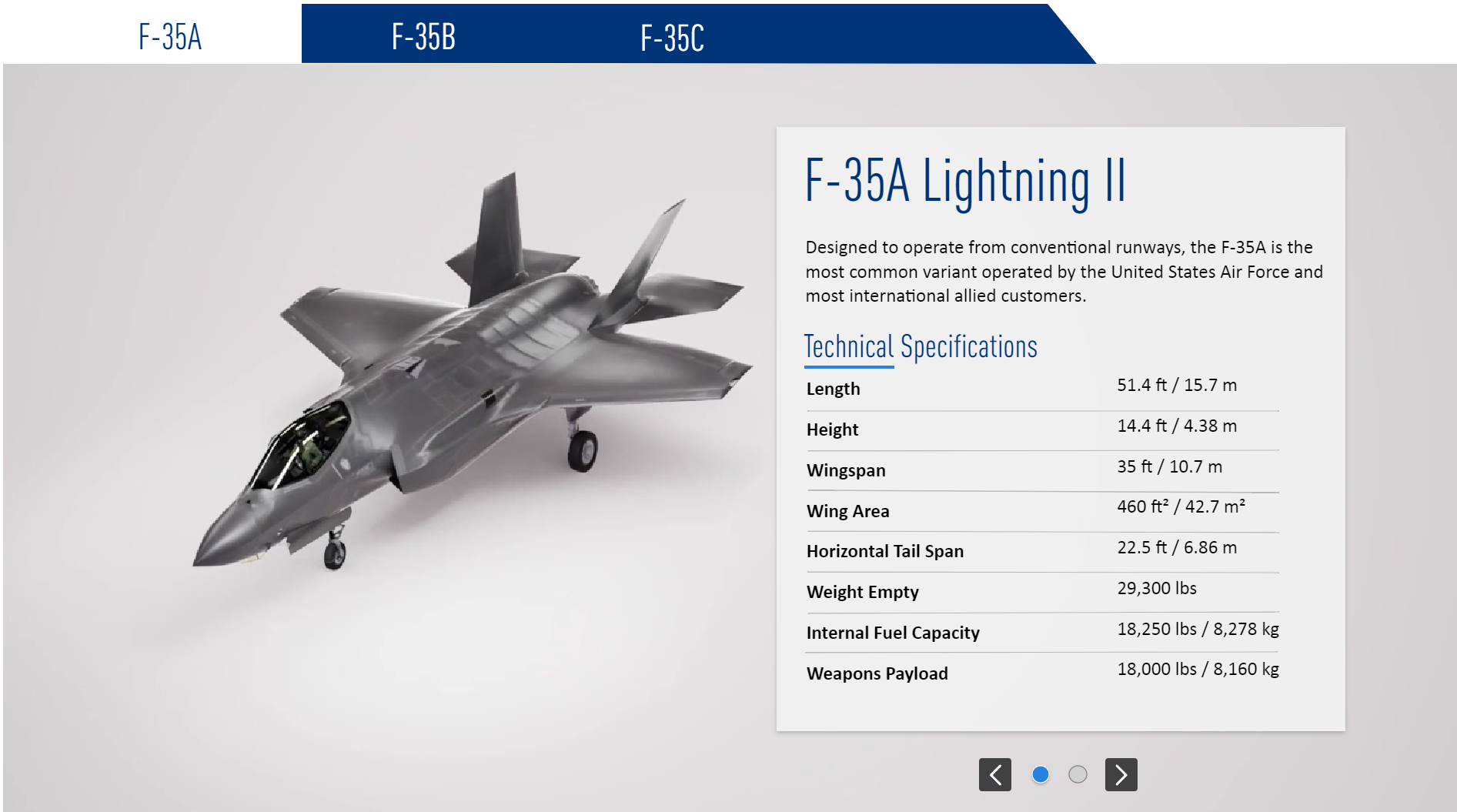
South Korea received the US Air Force F-35A stealth fighter in early July ahead of the ally’s joint training next month. A week after, Seoul’s defense ministry approved funding of an additional twenty F-35As, which would increase her fleet to 60 aircraft.
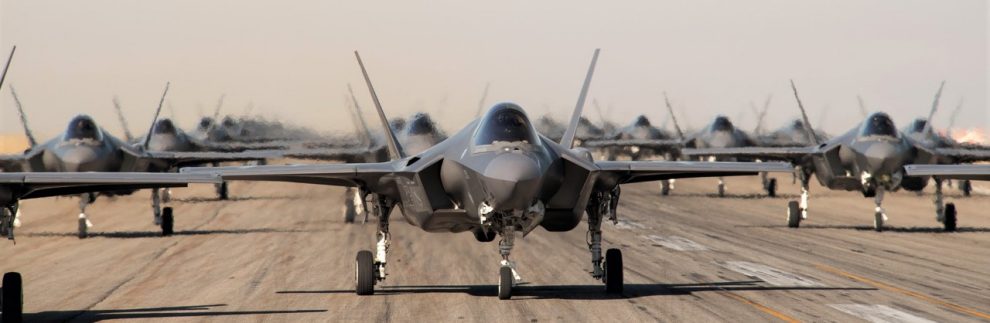
The procurement is part of the government’s retaliation strike plan called Kill Chain, which aims to address North Korean nuclear and missile threats. Spending around 3.9 trillion won ($3 billion) by the following year, South Korea’s Air Force expects to receive the additional F-35A fighter by 2030.
South Korea and the US have been conducting combined military training for decades to close the gap between their political, cultural, doctrinal, and philosophical differences, as well as test their preparedness and abilities to conduct specific missions—in the case of South Korean, to counter unprecedented attacks from the North. This also presents a political message for Pyongyang that emphasizes the alliance’s commitment to protecting the state, people, and territory.
The allies had their largest joint military exercise in 2016, where over 17,000 US troops and 300,000 South Korean soldiers came together. Because of this, North Korea threatened a “pre-emptive and offensive nuclear strike” in response to what they believe was an “undisguised nuclear drill aimed to infringe upon the sovereignty of the DPRK” just a weekend away from the scheduled long military training.








COMMENTS