

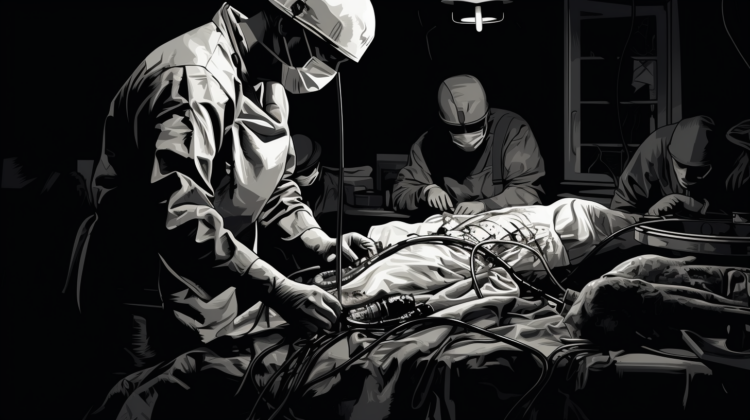
The Brits were up to something too. To understand biological warfare, they conducted secret experiments that included releasing bacteria over populated areas.
Cities like Norwich were affected, and while the bacteria used were “harmless,” testing on an unknowing public is enough to make you shudder.
The Cold War: A Battle Behind Closed Doors
The Cold War was a time of espionage, intrigue, and more unethical medical experiments. Governments raced to outdo each other, and ethics sometimes took a back seat.
MK-Ultra: Mind Control and LSD
Run by the CIA in the ’50s and ’60s, this program aimed to discover ways to control the human mind. LSD was administered to unsuspecting subjects, leading to some messed-up situations.
We’re talking about citizens, soldiers, and even prisoners drugged without consent. Wild, right?
The Aversion Project in South Africa
If you thought MK-Ultra was a doozy, wait till you hear about this one. During the apartheid era, the South African military conducted experiments on gay soldiers, attempting to “cure” them of their homosexuality.
Shock therapy, chemical castrations, and even forced sex-change operations happened as a result. It’s enough to make your skin crawl.
Soviet Psychiatric Abuse
Now, let’s hop over to the other side of the Iron Curtain. The Soviet Union used psychiatry to suppress dissidents, diagnosing political opposition with mental illness and confining them to psychiatric hospitals. Talk about weaponizing medicine.
Modern Times: Lessons Learned or Mistakes Repeated?
Society has come a long way since those dark times, but have we learned our lessons? It’s a big question, and the answers might surprise you.
Clinical Trials in Developing Countries
Let’s start with something that made headlines: The Kano Trovan drug trials in Nigeria. In 1996, Pfizer conducted tests of an antibiotic called Trovan in Kano, Nigeria. It was during a meningitis outbreak, and the stakes were high.
But here’s the twist: Pfizer faced accusations of not obtaining informed consent and failing to explain the risks involved. A lawsuit followed, and the whole thing turned into an international controversy.
Then in 2004, Gilead Sciences tested an HIV drug called Tenofovir on Cambodian sex workers. The problem? Allegations surfaced that the participants didn’t know the risks, robbing them of their rights.
The government eventually shut down the trials, but the scars remained.
A Path Towards a More Compassionate Future
The topic of unethical medical experiments is never easy to digest, but it’s a part of our history that we must confront.
By learning from the past and holding onto our shared human values, we can strive for a future where science and ethics walk hand in hand.
In response to these historical horrors, nations have created strict guidelines and rules to prevent unethical medical experiments.
Think of the Nuremberg Code or the Declaration of Helsinki. They sound fancy, but they’re all about making sure everyone respects the dignity and rights of every human being in medical research.
Knowing about these medical experiments is not just a history lesson or a peek into a secretive lab. It’s a call to each of us to keep our eyes open and our hearts compassionate.








COMMENTS