

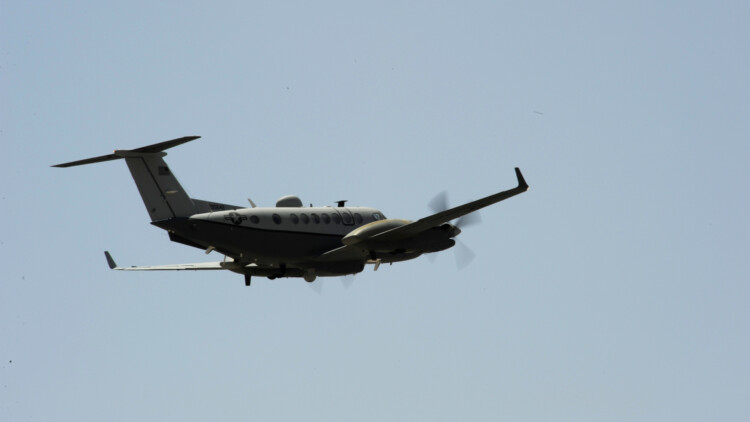
Throughout the summer, the MC-12W Liberty aircraft served as the primary test platform, demonstrating the system’s adaptability and versatility.
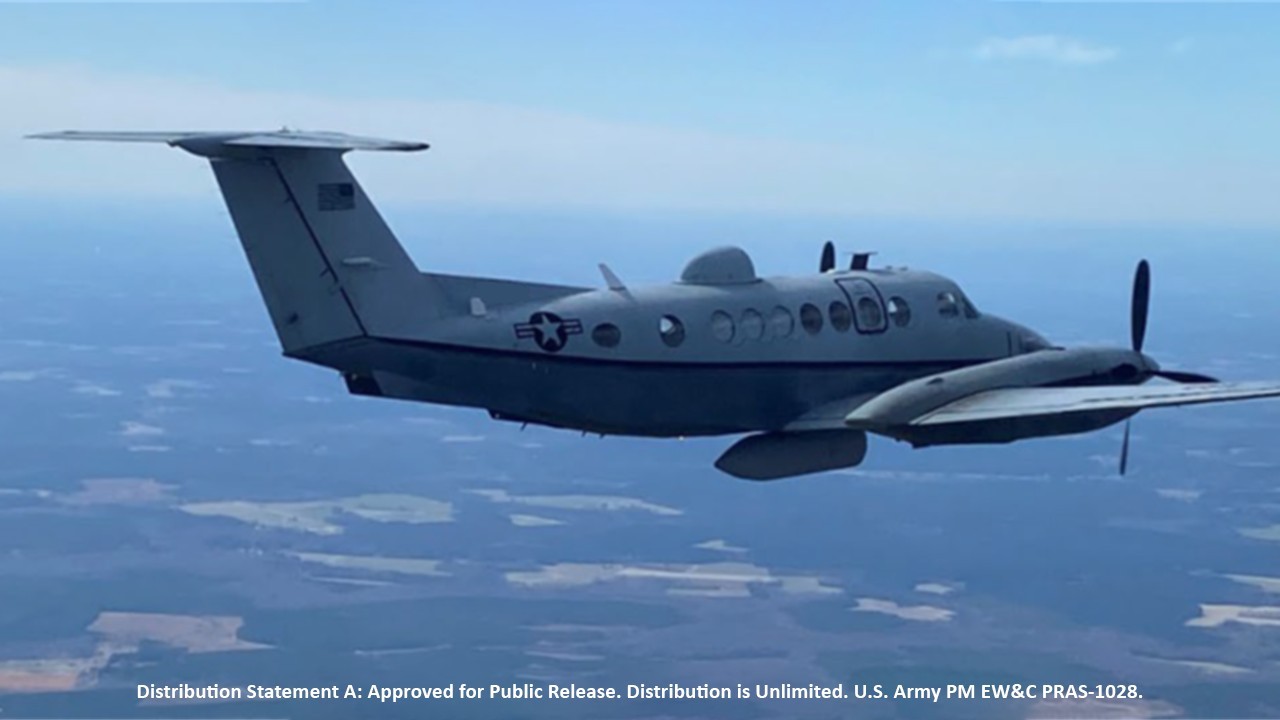
Notably, MFEW-AL’s initial trials took place on specialized aircraft, including the Gray Eagle engineering aircraft and the Twin Otter, accumulating over 200 flight hours. This wide array of testing platforms highlights the system’s platform-agnostic capacity, making it adaptable for various mission profiles.
Looking Ahead: Integration and Certification
The MFEW-AL team has ambitious plans to further integrate the system into the MQ-1C Gray Eagle unmanned aircraft system, culminating in airworthiness certification testing in fiscal year 2024. This certification will signify that the system can safely operate within approved usage limits, a critical step toward operational deployment.
In the fiscal year 2025, the team intends to execute the initial operational test and evaluation of the MFEW-AL, bringing it a step closer to becoming an operational reality.
The MFEW-AL program office is well on track to meet its near-term test and evaluation requirements, ensuring that Soldiers will soon benefit from this groundbreaking technology in operational settings. The program’s success is not just about meeting objectives; it’s about equipping the warfighter with a game-changing capability that will redefine the electronic warfare landscape.
Advancing Electronic Warfare: A Global Imperative
Amidst the Army’s relentless pursuit of the MFEW-AL capability, a broader recognition of the strategic importance of electronic warfare has been taking shape on the global stage. This realization, mirrored by substantial investment in related advanced systems, underscores the critical role this particular field plays in modern conflict and national security.
The recent surge in attack and reconnaissance drone usage witnessed during the ongoing conflict in Ukraine has triggered heightened interest worldwide in electronic warfare technologies. Nations, propelled by the need to adapt to these evolving battlefronts, are investing significantly in their capabilities.
Within the US alone, a palpable commitment to advancing its capabilities is evident through numerous ongoing projects. One noteworthy initiative is a $4.8-million research endeavor based in Texas, aimed at developing a state-of-the-art electronic warfare system tailored specifically for the US Air Force. This investment not only showcases the nation’s resolve but also its determination to maintain a competitive edge in the realm of electronic warfare.
Conclusion: Paving the Way for Future Warfare
The Multi-Function Electronic Warfare – Air Large (MFEW-AL) system represents a significant leap forward in the Army’s pursuit of equipping the warfighter and establishing spectrum dominance. The extensive testing conducted over the summer showcased its adaptability, user-friendliness, and real-time information advantage.
As the MFEW-AL program moves forward with integration onto unmanned aircraft and subsequent operational testing, the horizon for electronic warfare capabilities looks promising. With a dedicated focus on fulfilling warfighters’ needs, the MFEW-AL program exemplifies the Army’s commitment to staying ahead in the ever-evolving theater of modern warfare.








COMMENTS